
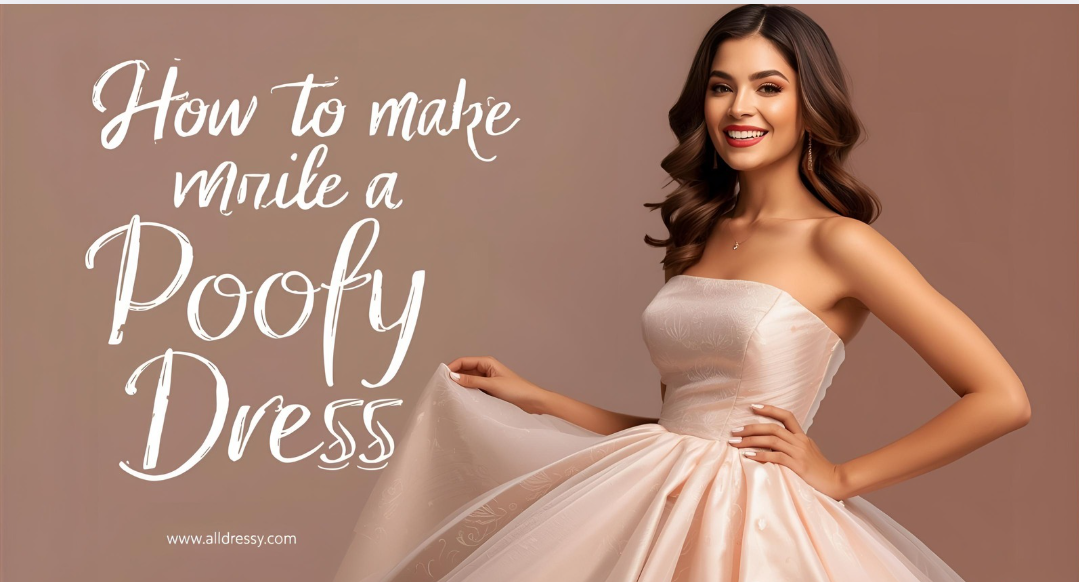
The allure of a poofy dress is undeniable. From the grandeur of historical ballgowns to the playful charm of a modern party dress, a garment with dramatic volume captures attention and sparks the imagination. Whether you dream of a princess-worthy ball gown, a vintage-inspired cupcake silhouette, or a contemporary tulle skirt, learning how to make poofy dress creations is a rewarding journey into the world of costume and formal wear design. This comprehensive, 2000-word guide will demystify the process, providing you with the technical knowledge, material insights, and step-by-step confidence to construct your own voluminous masterpiece. Moving beyond basic tutorials, we will delve into the structural engineering of volume, explore advanced shaping techniques, and help you navigate the common pitfalls of working with expansive fabrics. By mastering the principles of support, balance, and proportion, you can transform delicate fabrics into a stunning, wearable work of art.
Understanding the Anatomy of a Poofy Dress
Before you cut a single piece of fabric, it’s crucial to understand what gives a poofy dress its signature shape. The poof is never accidental; it is a carefully constructed illusion built on a foundation of structure.
The key components are:
- The Inner Architecture (The Skeleton): This is the hidden framework that creates and supports the volume. It includes elements like crinolines (hoop skirts), petticoats (underskirts with layers of stiff netting), and built-in corseting or bodice boning. The type of architecture determines the silhouette—whether it’s a wide, bell-shaped skirt poof or a softer, more gradual A-line.
- The Fashion Fabric (The Skin): This is the outer fabric you see, such as satin, taffeta, organza, or velvet. Its weight, drape, and stiffness interact with the inner architecture to define the final look.
- The Interfacing and Stabilizers (The Muscles): These are the hidden materials—like horsehair braid (crinoline tape), fusible interfacing, and multiple lining layers—that add body to hems, waistbands, and bodices, ensuring the outer fabric holds its intended shape.
Essential Tools and Materials for Dressmaking
Gathering the right tools is half the battle in learning how to make poofy dress garments successfully.
Tools:
- A Heavy-Duty Sewing Machine: Standard home machines can struggle with many layers of tulle or thick seams. Ensure your machine has a powerful motor, a walking foot (even feed foot) is highly recommended, and you have plenty of heavy-duty needles (size 90/14 or 100/16).
- Specialized Presser Feet: A rolling foot for slippery fabrics, a Teflon foot for vinyl or heavily starched fabrics, and a wide hemmer foot can be invaluable.
- Quality Cutting Tools: Sharp fabric shears reserved only for fabric, a rotary cutter and mat for cutting multiple layers of netting, and sharp thread snips.
- Measuring & Marking: A clear quilting ruler, a flexible dressmaker’s curve, a French curve, and fabric markers (chalk, water-soluble pen).
- Pressing Equipment: A sturdy iron, a tailor’s ham (essential for pressing curved seams like princess seams), and a pressing cloth to protect delicate fabrics.
Core Materials for the Poof:
- Tulle and Netting: The most common material for creating volume. Soft tulle drapes gently, while stiff nylon netting or horsehair tulle provides aggressive structure. For a major skirt poof, you may need 50-100+ yards across multiple layers.
- Crinoline/Hoop Supplies: For a hoop skirt, you’ll need hoop steel or poly boning, cotton casing tape, and a strong waistband.
- Support Fabrics: Cotton broadcloth or muslin for petticoat bases, horsehair braid (available in various widths) for hem support, and fusible woven interfacing for bodice stability.
- Fashion Fabrics: Choose based on your design. Taffeta holds shape well and rustles beautifully. Satin offers a luxurious drape but may require more understructure. Organza or illusion can be used for overlays for a softer look.
Step-by-Step Guide: How to Make a Poofy Dress Skirt
This section provides a detailed, professional approach to constructing the voluminous skirt, which is the heart of the poofy dress.
Phase 1: Designing and Pattern Preparation
- Silhouette Selection: Decide on your target shape: a Bell Shape (even distribution from waist), an A-Line (gradual flare), or a Cupcake/Pouf (volume concentrated at the hem).
- Pattern Drafting or Modification: You can use a commercial circle skirt or gathered skirt pattern as a base. To increase fullness dramatically, slash-and-spread the pattern pieces. For a truly enormous skirt, design a paneled skirt (with 6, 8, or more gores) to manage fabric bulk more efficiently than a single circle.
- Calculate Fabric Yardage: This is critical. For a full circle skirt in a standard fabric, you may need 4-5 yards. For a multi-layered tulle skirt over a petticoat, calculate each layer’s circumference and length separately. Always buy extra.
Phase 2: Building the Understructure (The Petticoat)
The petticoat is non-negotiable for a professional poofy dress.
- Base Layer: Create a simple, knee-length A-line slip from cotton broadcloth. This provides an anchor.
- Tulle Layers: Cut 3-6 layers of stiff netting, each layer 1-2 inches shorter than the last. The shortest layer sits on top.
- Gathering and Attaching: For each layer, cut strips of netting 2-3 times the circumference of the base layer at the point it will attach. Gather the top edge of each strip densely using a strong thread (or a gathering foot). Sew each gathered layer onto the base, stacking them. For extreme stiffness, you can starch tulle with a mix of water and white glue or commercial fabric stiffener before sewing.
- Advanced Technique – Corded Petticoat: For a historically accurate, graduated poof without hoops, sew rows of parallel channels onto the petticoat and thread soft cotton cord through them. Each row from the waist down uses a longer cord, forcing the fabric to bend outward.
Phase 3: Constructing the Fashion Fabric Skirt
- Cutting: Lay out your pattern on the fashion fabric carefully. If using a directional fabric like satin, ensure all pieces run the same way. Use weights instead of pins to prevent shifting on slippery fabrics.
- Seaming: Sew panels together with French seams or flat-felled seams for a clean finish that can withstand the stress of the volume. Press seams open over a tailor’s ham.
- Hemming a Voluminous Skirt: This is a challenge. The traditional method is to attach horsehair braid to the hemline. Cut the braid to the exact circumference of the skirt hem. Sew it on, then press the hem up over the braid and hand-stitch in place. The braid acts as a flexible wire, supporting the hem’s weight and helping it stand out. For lightweight fabrics, a narrow, rolled hem done by hand or with a serger is another option.
Constructing the Bodice: Balance and Support
A voluminous skirt needs a bodice that provides structural balance and comfort.
- Foundations are Key: The bodice must be strong. Use a medium-weight fabric like coutil or twill as an inner layer. Always include a zipper closure that is robust (metal or heavy-duty nylon) and long enough to get in and out of easily. Consider a corset-style lace-up back for adjustable fit and dramatic style.
- Boning for Structure: Sew boning channels into the bodice seams and along key stress points (like the side front and center back). Use spiral steel boning for comfort and flexibility or rigid plastic boning for maximum support. Always cap the ends of the boning to prevent them from poking through the fabric.
- Lining and Interfacing: Fully line the bodice with a smooth fabric. Use fusible woven interfacing on all facing pieces to prevent stretching.
- Attaching the Skirt to the Bodice: This is a critical seam that bears tremendous weight. First, stay-stitch the waistline of both pieces. Then, with the bodice right side out and the skirt wrong side out, slide the skirt over the bodice, aligning raw edges. Pin meticulously, distributing the skirt’s fullness evenly. Sew with a ½” seam allowance using a strong polyester thread. Go over this seam twice for security. Finish the seam with a wide, sturdy waistband tape or bias binding to distribute tension.
Advanced Techniques for Specific Poofy Dress Styles
- The Ball Gown: Focus is on a fitted bodice and an extremely full skirt. Use a combination of a multi-layer petticoat and a hoop skirt for maximum width without excessive weight. The fashion fabric skirt should be made of a luxurious, heavy material like duchess satin or silk taffeta.
- The Tulle Dress: Here, the tulle is the fashion fabric. Use 5-10 layers of soft tulle in varying shades for depth. Gather each layer individually and attach them to a fitted slip dress. To prevent the layers from catching on each other, lightly mist them with a silicone-based anti-static spray.
- The Vintage-Inspired Pouf: This style often has volume concentrated at the hem. Achieve this by making a petticoat where the shortest, stiffest layer is at the bottom, or by sewing a wide band of horsehair braid or crinoline directly into the hemline of the fashion skirt.
Finishing Touches: Professional Details
- Internal Waistband: Add wide, non-roll elastic or a sturdy ribbon tie inside the waist. This allows the wearer to secure the dress’s weight on their hips, relieving shoulder strain.
- Strap Security: For strapless dresses, sew in silicone bra strap tape or create custom loops to attach to a strapless bra.
- Weight Distribution: For very heavy dresses, consider adding a discreet satin waistband or harness that sits on the hips to bear the skirt’s weight.
- Final Pressing: Use a steamer to gently fluff out tulle layers and remove any creases from the fashion fabric. Never place a hot iron directly on tulle or netting.
FAQs: Your Poofy Dress Questions Answered
Q: How much tulle do I need to make a poofy dress?
A: For a very full knee-length petticoat under a dress, you may need 50-100 yards of standard 54” wide tulle, depending on the number of layers and desired fullness. Always calculate based on your specific design and body measurements.
Q: What is the best fabric for the outer skirt of a poofy dress?
A: Taffeta is a beginner-friendly choice as it is crisp and holds shape well. Duchess satin is heavier and more luxurious. For a softer poof, consider silk organza over a structured petticoat.
Q: How do I walk and sit in a very poofy dress?
A: Practice is key! To sit, gently press down the back of the skirt and smooth it underneath you. To navigate doors or crowds, learn to collapse the skirt slightly by lifting it from the sides. A hoop skirt can often be folded upwards temporarily.
Q: Can I make a poofy dress without a petticoat?
A: You can create a softer, less structural poof by using many layers of gathered fashion fabric or a fabric with inherent body, like organza. However, for a defined, dramatic silhouette, an understructure is essential.
Q: How do I store a poofy dress to prevent damage?
A: Never hang it by the straps, as the weight of the skirt can distort the bodice. The best method is to lay it flat in a large, breathable cotton bag or a box. Stuff the skirt with acid-free tissue paper to help maintain its shape.
Conclusion: Your Poofy Dress Masterpiece Awaits
Learning how to make poofy dress garments is an ambitious yet immensely satisfying endeavor that blends the creativity of design with the precision of engineering. This guide has moved beyond simple gathering techniques to explore the foundational principles of volume, support, and balance that transform fabric into fantasy. From selecting the right inner architecture to executing a flawless hem with horsehair braid, each step builds towards a final product that is as sturdy as it is stunning.
Remember, patience and preparation are your most valuable tools. Make mock-ups, test your petticoat’s poof, and don’t rush the critical seams. Whether you’re crafting a debutante gown, a cosplay costume, or a show-stopping wedding dress, the skills you develop will empower you to bring your most ambitious sartorial visions to life. Embrace the challenge, and enjoy the process of watching your dramatic, beautiful, and uniquely yours poofy dress take shape, one gathered layer and careful stitch at a time. The world of volume is yours to command.