
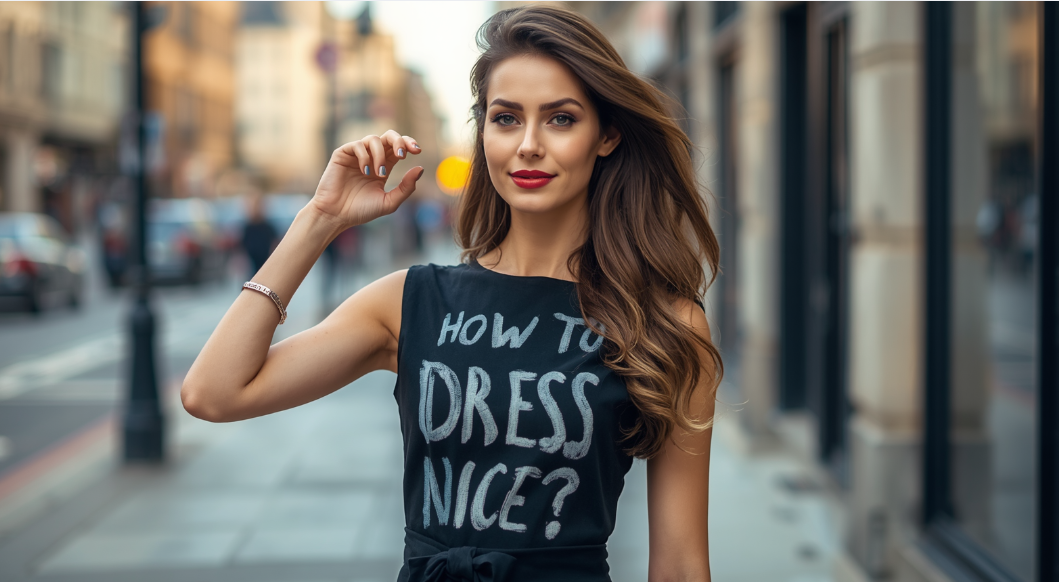
Looking polished, confident, and stylish is something everyone aspires to, and learning how to dress nice is the first step toward creating a lasting impression. Dressing well goes beyond merely picking clothes—it’s about understanding proportion, color coordination, fit, and the occasion. Whether it’s for work, a night out, a casual gathering, or a formal event, knowing how to dress nice allows you to feel confident, project the right image, and embrace your personal style.
In this comprehensive guide, we will explore how to dress nice in every setting, covering wardrobe essentials, styling tips, seasonal considerations, footwear, accessories, and the psychological impact of dressing well. With these strategies, you’ll be able to elevate your daily style while standing out for all the right reasons.
The Importance of Knowing How to Dress Nice
Understanding how to dress nice is more than vanity; it influences how others perceive you and impacts your confidence. Studies show that well-dressed individuals are often perceived as more competent, approachable, and stylish. Clothing communicates messages about your personality, professionalism, and attention to detail.
Key benefits of learning how to dress nice include:
- Boosting self-confidence: Wearing clothes that fit well and suit your body type increases self-assurance.
- Enhancing social perception: Dressing smartly can improve how colleagues, friends, and strangers view you.
- Adapting to occasions: Knowing how to dress nice ensures you are appropriately attired for work, social events, or casual outings.
- Improving comfort and practicality: Properly chosen outfits balance style and ease of movement.
Core Principles of How to Dress Nice
Fit is Everything
The foundation of how to dress nice starts with fit. Regardless of the brand or price of your clothing, ill-fitting outfits will undermine your style.
Tips for perfect fit:
- Tailored clothing enhances your silhouette.
- Avoid clothes that are too tight or overly loose.
- Pay attention to sleeve lengths, pant hems, and shoulder seams.
- Consider minor tailoring adjustments for off-the-rack items.
Embrace Classic and Versatile Pieces
Understanding how to dress nice involves investing in classic, versatile wardrobe staples. Timeless pieces can be mixed and matched to create countless outfits.
Wardrobe staples include:
- Crisp white shirts
- Dark, slim-fit jeans
- Tailored blazers
- Neutral-colored trousers
- Little black dress for women
- Polished leather shoes
Color Coordination and Patterns
Knowing how to dress nice also means mastering color coordination. Colors affect perception, mood, and the overall aesthetic of an outfit.
Tips:
- Use neutral colors as your base (black, white, gray, navy, beige).
- Introduce accent colors through accessories or statement pieces.
- Match patterns carefully—avoid clashing prints.
- Consider color psychology; for example, blue conveys trust, red conveys confidence.
Dressing for Your Body Type
Learning how to dress nice requires understanding your body shape and choosing clothing that flatters your proportions.
- Rectangle shape: Use belts or tailored jackets to create curves.
- Apple shape: Focus on V-neck tops, A-line skirts, and structured outerwear.
- Pear shape: Emphasize upper body with bold tops, balance with dark pants.
- Hourglass shape: Fitted clothing accentuates natural curves.
How to Dress Nice for Different Occasions
Work and Professional Settings
Dressing well in professional settings communicates competence and professionalism. Tips for how to dress nice at work:
- Men: Tailored suit or dress pants with a button-down shirt; optional tie depending on formality.
- Women: Blouses with pencil skirts or tailored pants; blazers elevate the look.
- Neutral colors with minimal patterns create a polished appearance.
- Accessories should be subtle: watches, belts, and simple jewelry.
Casual Outings
Casual does not mean sloppy. Learning how to dress nice for casual outings involves balancing comfort with style:
- Well-fitted jeans or chinos
- Stylish t-shirts or casual shirts
- Light jackets, cardigans, or sweaters
- Casual shoes like loafers, minimal sneakers, or ankle boots
- Layering adds depth and sophistication
Formal Events
For weddings, galas, or cocktail parties, how to dress nice means elegance and sophistication:
- Men: Tuxedos or tailored suits with polished shoes and coordinating accessories
- Women: Evening gowns, cocktail dresses, or tailored jumpsuits
- Pay attention to grooming and coordination of accessories
- Choose fabrics like silk, satin, or high-quality blends for a luxurious look
Night Out or Dinner
- Men: Dress shirts with tailored trousers, optional blazer, clean shoes
- Women: Dresses, skirts, or chic pants with elegant tops
- Accessories: Statement earrings, watches, or clutches for women
- Footwear should be stylish yet comfortable for extended outings
Seasonal Dressing
Summer
- Breathable fabrics like cotton, linen, or chambray
- Light-colored clothing to stay cool
- Stylish sandals, espadrilles, or loafers
- Sunglasses and light accessories
Winter
- Layering with sweaters, coats, and scarves
- Darker tones like black, navy, or burgundy
- Boots and closed-toe shoes for warmth
- Textured fabrics such as wool, tweed, or knit
Spring and Fall
- Light layers for fluctuating temperatures
- Stylish jackets, cardigans, and scarves
- Mix neutral and warm tones
- Closed shoes or ankle boots for versatility
Footwear: A Key Component of How to Dress Nice
Shoes can make or break an outfit. Tips for how to dress nice with footwear:
- Polished leather shoes for men: oxfords, derbies, loafers
- Women: heels, ankle boots, stylish flats
- Neutral-colored shoes pair easily with multiple outfits
- Casual sneakers or loafers can elevate a relaxed look
Accessories: The Finishing Touch
Accessories elevate style when learning how to dress nice:
- Watches, belts, and handbags for a polished appearance
- Scarves, hats, or subtle jewelry to complete outfits
- Avoid over-accessorizing; choose pieces that complement the outfit
- Statement items can add personality to neutral ensembles
Grooming and Personal Care
Dressing well extends beyond clothing. Understanding how to dress nice also involves:
- Regular haircuts and grooming
- Clean, manicured nails
- Subtle fragrance
- Proper hygiene and skin care
A polished appearance enhances the overall impact of your outfit.
Building a Capsule Wardrobe to Dress Nice
A capsule wardrobe allows you to dress stylishly without overcomplicating your closet:
- 5-7 neutral tops and shirts
- 3-5 pairs of versatile pants or skirts
- 2-3 blazers or jackets
- 1-2 statement dresses or suits
- Shoes: casual, formal, and versatile pairs
- Minimal accessories to mix and match
Capsule wardrobes simplify dressing while ensuring you always look polished.
How to Dress Nice on a Budget
Dressing well does not require breaking the bank. Tips for how to dress nice affordably:
- Invest in a few quality staples rather than many cheap items
- Mix high-quality basics with trendy, low-cost pieces
- Thrift stores and sales can yield stylish finds
- Tailoring inexpensive clothing can elevate the overall look
How to Dress Nice for Your Age
Style evolves with age, and knowing how to dress nice involves choosing age-appropriate outfits:
- Teens: Trendy yet well-fitted casual wear, avoid overly baggy clothing
- Young adults: Focus on building versatile wardrobes with professional and casual options
- Middle-aged adults: Classic pieces, tailored fits, and minimalistic styles for elegance
- Older adults: Comfortable fabrics, refined colors, and timeless designs
Layering Techniques for How to Dress Nice
Layering adds dimension and versatility:
- Start with a base layer: fitted T-shirt, blouse, or dress shirt
- Add a mid-layer: sweater, vest, or blazer
- Finish with an outer layer: jacket, coat, or trench
- Accessories like scarves or belts enhance the layered look
- Layers help you adjust to temperature changes while maintaining style
Color Coordination and Mixing Patterns
- Stick to a cohesive color palette for elegance
- Use 1-2 accent colors to make outfits pop
- Combine subtle patterns: stripes with solids, small prints with neutrals
- Avoid clashing bold patterns for a polished appearance
How to Dress Nice for Travel
- Comfortable yet stylish clothing for long journeys
- Layerable pieces for varying climates and indoor/outdoor settings
- Neutral colors that mix and match easily
- Practical footwear for sightseeing
- Minimal accessories for convenience and security
Common Mistakes to Avoid When Learning How to Dress Nice
- Wearing ill-fitting clothing
- Overloading on bright colors or clashing patterns
- Ignoring the occasion or venue dress code
- Neglecting footwear or accessories
- Over-accessorizing or using gimmicky items
How to Dress Nice for Men
- Tailored pants, shirts, and blazers
- Polished shoes and minimalistic belts
- Layer with cardigans or jackets for style
- Keep color palette neutral with occasional accent colors
- Grooming is as important as clothing for a polished look
How to Dress Nice for Women
- Dresses, skirts, and tailored pants with elegant tops
- Heels or stylish flats depending on occasion
- Layering for versatility and temperature adaptation
- Statement accessories to elevate neutral outfits
- Comfortable fabrics that provide both mobility and style
How to Build Confidence While Dressing Nice
- Choose outfits that make you feel comfortable
- Practice proper posture and grooming
- Experiment with different colors and patterns within your style
- Keep a few signature pieces that define your personal aesthetic
- Confidence enhances the perception of style and elegance
How to Dress Nice for Social Media and Photos
- Opt for outfits that photograph well: solid colors and structured fits
- Consider contrast and background when choosing colors
- Minimal accessories prevent distractions in photos
- Good lighting and posture complement your outfit
- Seasonal and occasion-appropriate outfits elevate the visual appeal
How to Dress Nice While Staying Practical
- Balance aesthetics with comfort: breathable fabrics, adjustable layers
- Prioritize versatile shoes and accessories
- Mix casual and formal elements to adapt to varying settings
- Maintain easy-to-wear outfits for long days or travel
Learning how to dress nice is a combination of understanding fit, color, occasion, and personal style. From professional environments to casual outings, nightlife, travel, or formal events, these strategies ensure you look polished, confident, and stylish in any situation.
FAQs About How to Dress Nice
1. What does it mean to dress nice?
Dressing nice means wearing clothes that fit well, are appropriate for the occasion, and reflect your personal style. It’s about combining comfort, elegance, and confidence to create a polished appearance.
2. How can I dress nice on a budget?
You can focus on versatile staples like neutral shirts, tailored pants, and classic shoes. Mix high-quality basics with trendy, affordable items, shop sales or thrift stores, and consider tailoring inexpensive pieces for a perfect fit.
3. How important is fit when learning how to dress nice?
Fit is the most important factor. Clothing that is too tight or too loose can look sloppy, even if it’s expensive. Tailored or properly fitting clothing enhances your silhouette and elevates your overall style.
4. How do I dress nice for different occasions?
- Work/Professional: Tailored clothing, neutral tones, minimal accessories
- Casual: Well-fitted jeans, casual shirts, stylish shoes
- Formal: Suits, cocktail dresses, elegant fabrics
- Night Out: Chic tops, dresses, polished footwear, statement accessories
5. How do I choose colors and patterns?
Use neutral colors as your base and add 1–2 accent colors. Coordinate patterns carefully—mix subtle patterns with solids. Avoid clashing bold patterns for a sophisticated look.
6. How can accessories improve my style?
Accessories like watches, belts, scarves, handbags, and subtle jewelry complete your outfit. They add personality and polish, making your look cohesive while staying elegant.
7. How can I dress nice in hot or cold weather?
- Hot weather: Lightweight, breathable fabrics, minimal layers, sun protection
- Cold weather: Layering with sweaters, coats, and scarves, plus closed-toe shoes or boots
Layer strategically to adjust to changing temperatures.
8. Can dressing nice boost my confidence?
Absolutely. Wearing well-fitted, stylish clothing makes you feel more self-assured, improves posture, and affects how others perceive you. Confidence is a key part of looking polished and elegant.
Conclusion: Mastering How to Dress Nice
Mastering how to dress nice is about balancing style, comfort, and appropriateness for every situation. From casual outings to formal events, well-fitted clothing, thoughtful color coordination, versatile wardrobe staples, and carefully chosen accessories create a polished and confident appearance.
Dressing nice is not just about fashion—it’s about projecting confidence, professionalism, and personal style. By prioritizing fit, understanding your body type, layering effectively, and paying attention to details like shoes and accessories, anyone can elevate their everyday look.
Ultimately, knowing how to dress nice allows you to feel self-assured, make positive impressions, and enjoy a wardrobe that is both functional and stylish. With these strategies, dressing well becomes effortless, allowing your personal style to shine in every setting.