
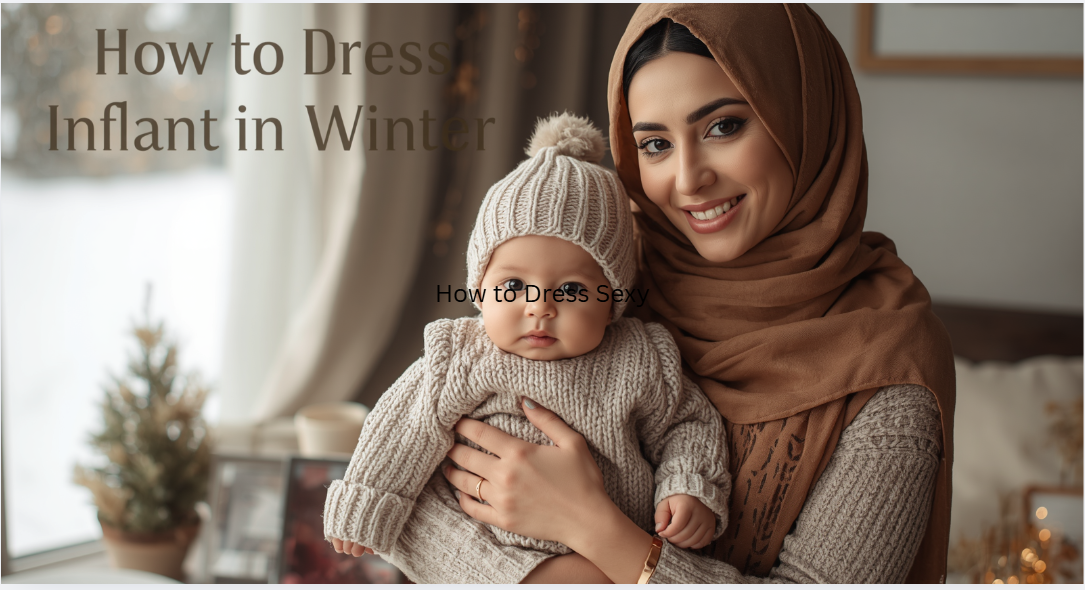
Winter weather can be challenging for parents, especially when it comes to understanding how to dress infant in winter. Babies lose body heat faster than adults and cannot regulate their temperature as efficiently, which means dressing them properly is essential for warmth, comfort, and safety.
Knowing how to dress infant in winter is not just about adding extra clothes. It is about using the right layers, choosing safe fabrics, maintaining a proper room temperature, and preventing both cold stress and overheating. Pediatric sleep and parenting guidance consistently recommends dressing babies in one more layer than an adult would wear in the same environment, while avoiding loose blankets and bulky clothing during sleep.
This detailed guide covers everything parents need to know about how to dress infant in winter, including indoor wear, outdoor outfits, sleep clothing, stroller walks, and common mistakes to avoid.
How to Dress Infant in Winter: Why Winter Dressing Matters
Understanding how to dress infant in winter starts with knowing why babies need extra care in cold weather.
Infants:
- lose heat quickly
- have delicate skin
- cannot remove layers themselves
- may overheat if overdressed
The goal is to keep your baby warm without making them sweaty.
A baby who is too warm may show:
- flushed cheeks
- damp hair
- sweating
- fast breathing
A baby who is too cold may feel cool around the chest or back. Experts recommend checking the chest, tummy, or back of the neck instead of hands and feet, since hands often feel cool naturally.
How to Dress Infant in Winter Using the Layering Rule

The most effective way to understand how to dress infant in winter is to follow the layering method.
The basic rule is simple:
Dress your infant in one extra layer compared to what you are wearing.
For example, if you are comfortable in:
- a cotton shirt
- a sweater
Your baby may need:
- a bodysuit
- a footed sleeper
- a light fleece layer
Layering helps parents easily remove or add clothing as temperatures change.
The Three-Layer System
Base Layer
This sits directly on the skin.
Best options:
- cotton bodysuit
- thermal onesie
- soft organic cotton vest
Middle Layer
This keeps warmth inside.
Choose:
- fleece romper
- cotton sleeper
- soft knit cardigan
Outer Layer
For outdoors only.
Use:
- bunting suit
- padded pram suit
- insulated jacket
This system is one of the safest ways to manage how to dress infant in winter.
How to Dress Infant in Winter Indoors
Many parents overdress babies indoors during winter.
For indoor spaces with room heating, infants usually need lighter layers.
Experts suggest room temperatures around 20–22°C (68–72°F) for comfort and safe sleep. (Parents)
Best Indoor Outfit
A good indoor winter outfit includes:
- long-sleeve bodysuit
- cotton footed pajamas
- light socks if needed
If the room feels chilly, add:
- lightweight cardigan
- cotton sleep sack
Avoid thick coats or hats indoors because they may cause overheating.
How to Dress Infant in Winter Outdoors
Outdoor winter dressing requires additional protection.
When learning how to dress infant in winter outdoors, focus on warmth and wind protection.
A good outdoor outfit includes:
- cotton base layer
- fleece sleeper
- insulated outer suit
- hat
- mittens
- warm socks or booties
For very cold weather, use:
- stroller cover
- weather shield
- thick baby blanket over stroller straps
Outdoor time should be limited during extreme cold or strong wind.
How to Dress Infant in Winter for Sleep
Sleep is one of the most important areas when deciding how to dress infant in winter.
Experts strongly advise not using loose blankets in the crib because of suffocation and SIDS risks. (Sleep Foundation)
Instead, use wearable layers.
Best Winter Sleepwear
Recommended sleep clothing:
- cotton onesie
- footed pajamas
- fleece sleeper
- wearable sleep sack
Sleep sacks are one of the safest options for winter sleep.
Room Temperature Matters
Keep the nursery between:
20–22°C (68–72°F) (Parents)
If the room is cooler, add a warmer TOG-rated sleep sack.
What to Avoid
Do not use:
- loose blankets
- pillows
- hats during sleep
- hooded clothing
- thick quilts
These can increase safety risks.
How to Dress Infant in Winter by Age
Newborns (0–3 Months)
Newborns need extra warmth because temperature regulation is still developing.
Best outfit:
- cotton bodysuit
- footed sleeper
- light swaddle or sleep sack
Infants (3–6 Months)
At this stage, babies move more and may begin rolling.
Choose:
- stretch cotton pajamas
- medium-weight sleep sack
- socks
Older Babies (6–12 Months)
For active babies:
- long-sleeve tops
- warm leggings
- soft fleece pajamas
- sleep sack at night
(Reddit)
How to Dress Infant in Winter for Car Seats
This is one of the most important safety topics.
Never place your baby in a car seat wearing a bulky winter coat.
Bulky clothing prevents harness straps from fitting tightly and safely.
Instead dress them in:
- fitted onesie
- fleece sleeper
- thin warm jacket
After buckling, place a blanket over the harness, not underneath.
This is a crucial part of how to dress infant in winter safely.
How to Dress Infant in Winter for Stroller Walks
Fresh air can still be healthy during winter.
For stroller walks, use:
- layered clothing
- mittens
- socks
- stroller blanket
- wind cover
Check your baby every 10–15 minutes.
The neck and chest should feel warm, not sweaty.
How to Dress Infant in Winter Fabrics
Fabric choice is very important.
Best Fabrics
Cotton
Soft and breathable.
Excellent for base layers.
Fleece
Great for insulation.
Ideal middle layer.
Merino Wool Blend
Provides warmth while wicking moisture.
Experts often recommend merino for winter layering. (Mother & Baby)
Avoid Rough Wool on Skin
Direct wool contact may irritate delicate skin.
How to Dress Infant in Winter Head, Hands, and Feet
Babies lose significant heat through exposed areas.
Keep these covered outdoors.
Head
Use:
- soft winter cap
- fleece hat
- knitted beanie
Hands
Use baby mittens.
Feet
Choose:
- thick socks
- fleece booties
- footed pajamas
How to Dress Infant in Winter Without Overheating
Overheating is one of the biggest winter risks.
Experts note that less is often better than over-bundling. (Sleep Foundation)
Signs of overheating:
- sweating
- hot chest
- flushed face
- fast breathing
- damp neck
Remove one layer if these signs appear.
How to Dress Infant in Winter at Night
Night temperatures may drop.
For nighttime:
- cotton bodysuit
- fleece pajamas
- winter sleep sack
Do not use hats while sleeping.
Experts warn that hats may contribute to overheating and unsafe sleep. (Sleep Foundation)
Common Mistakes When Learning How to Dress Infant in Winter
Avoid these common mistakes:
Too Many Layers
This can lead to sweating and discomfort.
Using Blankets in Crib
Unsafe during sleep.
Thick Car Seat Coats
Unsafe harness fit.
Ignoring Room Temperature
Always monitor nursery temperature.
Checking Hands Instead of Chest
Hands can naturally feel cool.
Daily Checklist for How to Dress Infant in Winter
Before sleep or going outside, check:
- one extra layer added
- head covered outdoors
- hands and feet warm
- chest feels comfortable
- no sweating
- no loose blankets
FAQs: How to Dress Infant in Winter
How many layers should an infant wear in winter?
A good rule for how to dress infant in winter is to dress your baby in one more layer than an adult would wear in the same environment. For example, if you are wearing a shirt and sweater, your infant may need a bodysuit, footed sleeper, and one extra light warm layer.
How can I tell if my baby is too cold?
The best way to check is by touching your baby’s chest, back, or tummy. These areas should feel warm and comfortable. Hands and feet often feel cooler naturally, so they are not always a reliable sign.
What are the signs of overheating?
Common signs include:
- sweating
- flushed cheeks
- damp hair
- rapid breathing
- warm chest or back
If your baby shows these signs, remove one layer and monitor them closely.
Should my baby wear a hat indoors?
In a properly heated room, hats are usually not necessary and may cause overheating. Hats are best used outdoors in cold weather.
What should my infant wear to sleep in winter?
The safest winter sleep outfit includes:
- a long-sleeve onesie
- footed pajamas
- a wearable sleep sack
Avoid loose blankets, pillows, or quilts in the crib.
Can I use a thick coat in the car seat?
No. Thick winter coats should not be worn under car seat straps because they can make the harness loose and unsafe. Use thin layers and place a blanket over the straps after buckling.
What is the ideal room temperature for winter?
A nursery temperature of 20–22°C (68–72°F) is generally ideal for infant comfort and safe sleep.
Conclusion
Knowing how to dress infant in winter is essential for keeping your baby warm, safe, and comfortable throughout the colder months. The key is proper layering, choosing soft breathable fabrics, and checking your baby’s chest or back regularly to ensure they are neither too cold nor too warm. By using safe sleepwear, avoiding bulky car seat coats, and dressing appropriately for indoor and outdoor conditions, you can help your infant stay cozy and protected all winter long.