
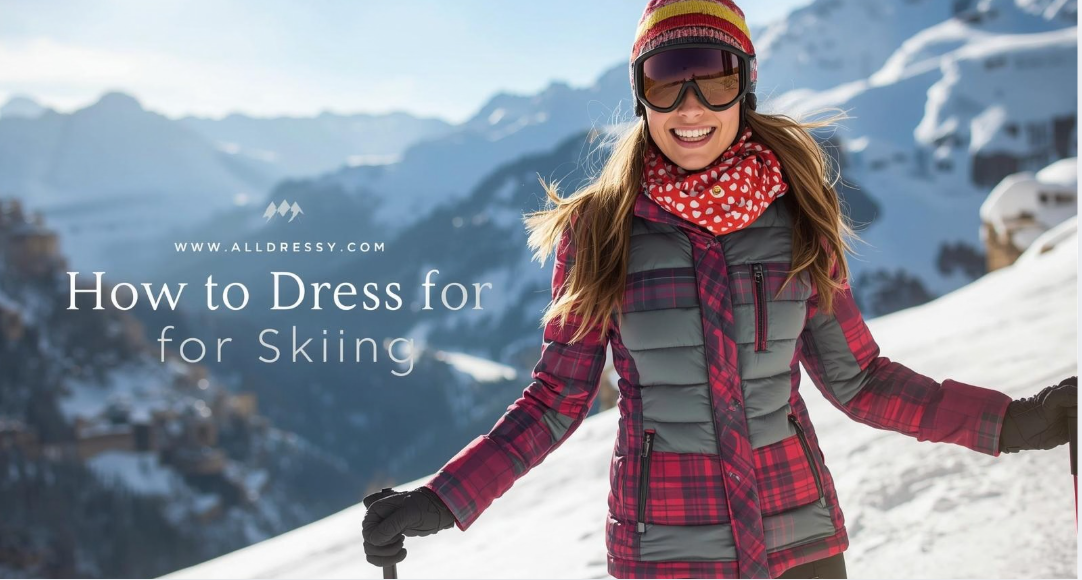
Skiing is one of the most exciting winter sports, but staying comfortable on the slopes depends heavily on understanding how to dress for skiing properly. Cold temperatures, wind, snow, and physical activity create unique clothing challenges that require a strategic approach to layering and equipment. Whether you are a beginner planning your first ski trip or an experienced skier looking to improve comfort on the mountain, knowing how to dress for skiing ensures you stay warm, dry, and mobile all day.
The key principle behind how to dress for skiing is layering. Instead of wearing one heavy jacket, skiers typically wear multiple thin layers that work together to regulate body temperature and manage moisture. This layering system usually consists of three parts: a base layer, a mid layer, and an outer layer. Each layer plays a specific role in keeping your body protected from the elements while allowing freedom of movement on the slopes.
In this comprehensive guide, you will learn everything you need to know about how to dress for skiing, including layering strategies, clothing materials, essential ski gear, accessories, and expert tips that help maximize comfort and performance in winter conditions.
Why Knowing How to Dress for Skiing Is Important
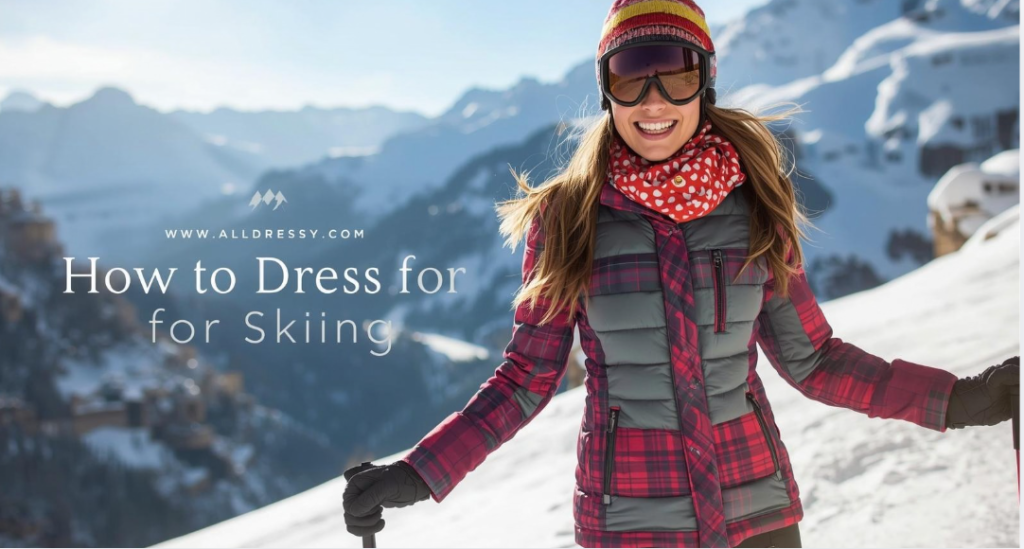

Skiing environments can be unpredictable. Temperatures may be extremely cold at the top of a mountain but warmer at lower elevations. In addition, skiing is a physically demanding activity that can cause sweating even in freezing conditions.
Understanding how to dress for skiing matters for several important reasons.
Temperature Regulation
Proper ski clothing helps maintain your body temperature so you stay warm without overheating.
Moisture Control
Sweat can quickly make you cold in winter weather. Ski clothing is designed to move moisture away from your skin.
Protection From Weather
Snow, wind, and freezing temperatures can cause discomfort or even frostbite without proper clothing.
Mobility and Performance
Skiing requires flexibility and balance. The right clothing allows full movement while keeping you protected.
The Three-Layer System: The Foundation of How to Dress for Skiing
The most important concept when learning how to dress for skiing is the three-layer system.
Skiers typically wear:
- Base layer
- Mid layer
- Outer layer
Each layer serves a unique purpose and works together to keep your body comfortable during skiing. (
Base Layer: The Foundation of Ski Clothing
The base layer is worn directly against your skin and plays a critical role in moisture management.
The primary job of the base layer is to wick sweat away from your body so that it can evaporate instead of making you cold.
Key Features of a Good Base Layer
- Moisture-wicking materials
- Snug fit for better insulation
- Breathability
- Lightweight construction
Best Materials for Ski Base Layers
The most common materials include:
Merino Wool
Merino wool is highly recommended for ski base layers because it regulates temperature well and remains warm even when slightly damp.
Synthetic Fabrics
Polyester and polypropylene base layers dry quickly and are often more affordable.
Base Layer Clothing Examples
Typical base layer items include:
- Thermal long-sleeve shirt
- Thermal leggings or long underwear
- Moisture-wicking underwear
What to Avoid in Base Layers
Cotton should never be worn as a base layer. Cotton absorbs moisture and takes a long time to dry, which can leave you cold and uncomfortable on the slopes.
Mid Layer: Insulation for Warmth
The mid layer is responsible for trapping heat and keeping your body warm while skiing.
This layer sits between the base layer and the outer jacket and acts as insulation.
Popular Mid Layer Options
Common mid layer garments include:
- Fleece jackets
- Down jackets
- Synthetic insulated jackets
- Wool sweaters
Choosing the Right Mid Layer Thickness
The thickness of your mid layer should depend on weather conditions.
For mild winter days:
- Lightweight fleece may be enough.
For very cold temperatures:
- Thicker fleece or insulated jackets provide additional warmth.
Layer flexibility is important because you can remove or add layers depending on how warm you feel while skiing.
Outer Layer: Weather Protection
The outer layer protects you from wind, snow, and moisture.
This layer usually consists of:
- Ski jacket
- Ski pants or bibs
Outer layers are designed to be waterproof, windproof, and breathable to protect you from harsh mountain weather.
Key Features of Ski Jackets
Good ski jackets often include:
- Waterproof materials such as Gore-Tex
- Breathable fabrics
- Adjustable hoods
- Ventilation zippers
- Snow skirts to prevent snow entry
Ski Pants or Bibs
Ski pants protect your legs and keep you dry while moving through snow.
Important features include:
- Waterproof fabric
- Insulation
- Reinforced knees
- Adjustable waistbands
Essential Accessories for Skiing
When discussing how to dress for skiing, accessories are just as important as clothing layers.
These items protect vulnerable areas of your body from cold and wind.
Ski Gloves or Mittens
Hands lose heat quickly in cold weather.
High-quality ski gloves should be:
- Waterproof
- Insulated
- Breathable
Some skiers prefer mittens because they provide extra warmth.
Ski Socks
Good ski socks improve comfort and prevent blisters.
Key features include:
- Moisture-wicking fabric
- Thin to medium thickness
- Proper fit inside ski boots
Experts recommend wearing only one pair of ski socks rather than layering multiple pairs.
Helmet
Helmets are essential for safety and warmth.
Modern ski helmets provide insulation and protect your head during falls.
Ski Goggles
Goggles protect your eyes from:
- Snow glare
- Wind
- UV rays
They also improve visibility in snowy conditions.
Neck Gaiter or Balaclava
A neck warmer protects your face and neck from freezing wind and snow.
Choosing the Right Materials for Ski Clothing
Materials play a major role in determining how effective your ski outfit will be.
Waterproof Materials
Outer layers must be waterproof to prevent snow from soaking through your clothing.
Breathable Fabrics
Breathable fabrics allow sweat vapor to escape so you stay dry during physical activity.
Insulated Materials
Down and synthetic insulation trap body heat and provide warmth.
Stretch Fabrics
Stretch fabrics improve mobility and comfort while skiing.
How to Dress for Skiing in Different Weather Conditions
Weather can vary widely on the mountain, so clothing choices should adapt accordingly.
Warm Ski Days
For warmer conditions:
- Lightweight base layer
- Thin fleece mid layer
- Shell jacket without insulation
Cold Ski Days
For very cold temperatures:
- Thermal base layer
- Thick fleece or down mid layer
- Insulated ski jacket
Windy Conditions
Windproof outer layers become especially important during windy weather.
Snowy Conditions
Waterproof jackets and pants prevent moisture from soaking into your clothing.
How to Dress for Skiing for Beginners
Beginners often make the mistake of overdressing or wearing the wrong materials.
Simple tips include:
- Dress in layers rather than one heavy coat
- Avoid cotton clothing
- Choose breathable fabrics
- Ensure clothing allows freedom of movement
Comfort and mobility are crucial when learning skiing techniques.
Common Mistakes When Dressing for Skiing
Many new skiers make clothing mistakes that reduce comfort on the slopes.
Wearing Cotton Clothing
Cotton absorbs sweat and becomes cold quickly.
Overdressing
Too many heavy layers can cause overheating and sweating.
Wearing Too Many Socks
Multiple socks can reduce circulation and cause cold feet.
Choosing Non-Waterproof Jackets
Regular winter coats may not protect against snow and moisture.
Ignoring Ventilation
Breathable fabrics and ventilation zippers help regulate body temperature.
How Professional Skiers Dress for the Slopes
Experienced skiers focus on performance and comfort.
Typical professional layering might include:
- Merino wool base layer
- Lightweight fleece mid layer
- Waterproof shell jacket
- Insulated ski pants
- High-quality gloves and goggles
This system provides flexibility and protection across changing weather conditions.
Packing Tips for a Ski Trip
When preparing for a ski trip, pack clothing strategically.
Important items include:
- Two or three base layers
- One or two mid layers
- Waterproof ski jacket
- Ski pants
- Gloves and spare gloves
- Multiple pairs of ski socks
- Neck warmer
- Helmet and goggles
Having backup layers helps you stay comfortable during multi-day trips.
How Fashion Meets Function in Modern Ski Clothing
Modern ski clothing combines advanced technology with stylish designs.
Many brands now offer ski outfits that provide:
- Technical performance
- Breathability
- Waterproof protection
- Fashionable colors and designs
Ski fashion has evolved significantly, allowing skiers to express personal style while maintaining functionality.
Expert Tips for Staying Comfortable While Skiing
Learning how to dress for skiing goes beyond just wearing the right clothes.
Additional tips include:
- Start slightly cool before skiing; your body will warm up during activity.
- Use ventilation zippers to regulate temperature.
- Bring extra gloves in case one pair gets wet.
- Keep your neck and face covered on windy days.
- Adjust layers throughout the day depending on weather conditions.
These strategies help ensure a comfortable and enjoyable skiing experience.
FAQs About How to Dress for Skiing
1. What is the most important rule when learning how to dress for skiing?
The most important rule when learning how to dress for skiing is to follow the three-layer system. This includes a moisture-wicking base layer, an insulating mid layer, and a waterproof outer layer. These layers work together to keep you warm, dry, and comfortable while skiing.
2. Can I wear regular winter clothing for skiing?
Regular winter clothing may keep you warm, but it is not always ideal for skiing. Ski clothing is designed to be waterproof, breathable, and flexible, which helps you stay dry and move easily on the slopes. Choosing proper ski gear is a better option.
3. Why should cotton be avoided when dressing for skiing?
Cotton absorbs moisture and takes a long time to dry. When sweat or snow soaks into cotton clothing, it can make you feel cold quickly. For this reason, synthetic fabrics or merino wool are recommended when considering how to dress for skiing.
4. How many layers should I wear when skiing?
Most skiers wear three main layers: a base layer, a mid layer, and an outer layer. In extremely cold conditions, an additional insulating layer may be added for extra warmth.
5. Are ski helmets necessary when skiing?
Yes, ski helmets are highly recommended. They provide important head protection and also help keep your head warm in cold mountain conditions.
6. What type of socks should I wear for skiing?
Ski-specific socks made from moisture-wicking materials such as wool or synthetic fibers are best. They help keep your feet dry and comfortable inside ski boots.
7. Is it better to wear gloves or mittens for skiing?
Both gloves and mittens work well, but mittens often provide more warmth because your fingers stay together. Gloves offer more flexibility and grip for handling ski equipment.
8. Should ski jackets be insulated or just waterproof?
Both options work depending on weather conditions. Insulated jackets provide built-in warmth, while shell jackets require additional mid layers for insulation but offer greater versatility.
9. Do I need special pants for skiing?
Yes, ski pants or bibs are designed to be waterproof, windproof, and insulated. Regular pants may not protect you from snow or cold temperatures effectively.
10. How do I prevent overheating while skiing?
To avoid overheating, wear breathable layers and use ventilation features such as zip vents in jackets. You can also remove a mid layer if you become too warm during skiing.
Conclusion
Understanding how to dress for skiing is essential for enjoying your time on the slopes while staying warm, dry, and comfortable. Skiing takes place in challenging winter conditions where cold temperatures, wind, and snow can quickly affect your body if you are not dressed properly. By following the layering system—base layer, mid layer, and outer layer—you can effectively regulate your body temperature and protect yourself from harsh weather.
The right materials, such as moisture-wicking fabrics and waterproof outerwear, help manage sweat and prevent cold exposure. Accessories like gloves, ski socks, helmets, goggles, and neck warmers also play a crucial role in protecting areas of the body that lose heat quickly. Choosing proper ski gear ensures that you can focus on improving your skiing skills rather than worrying about discomfort or cold