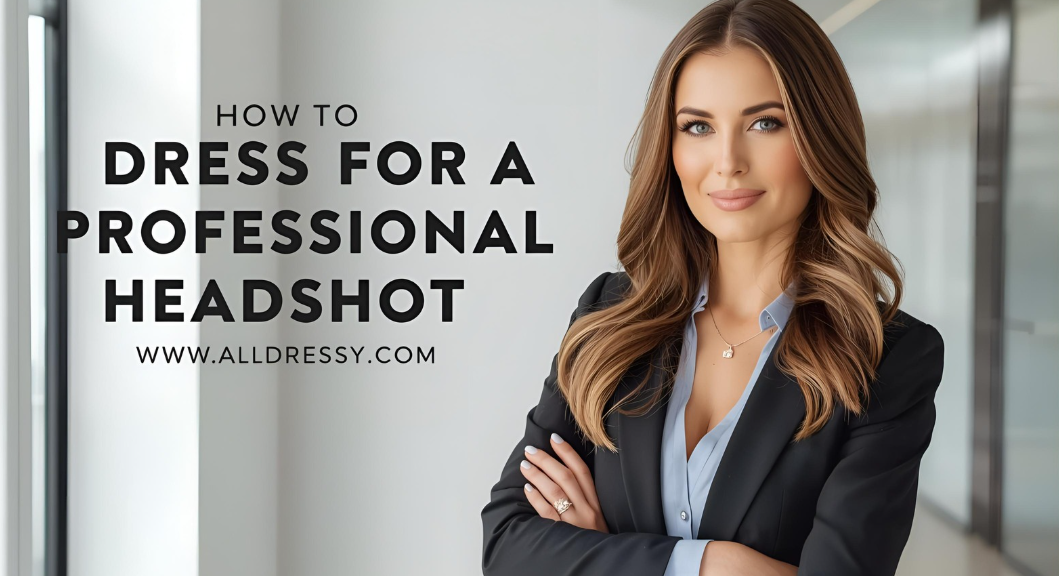
Understanding how to dress for a professional headshot is one of the most important parts of preparing for a photo session. Whether you need headshots for a corporate job, LinkedIn profile, business branding, acting portfolio, or personal branding, what you wear will strongly influence how others perceive your confidence, professionalism, and reliability. A headshot is often your first impression—sometimes even before someone meets you in person—so your clothing choices matter far more than people realize.
Many people assume a headshot is simply about having a clear picture of their face. In reality, what you wear communicates subtle signals about your personality, your industry, your professionalism, and even your competence. This is why learning how to dress for a professional headshot is essential. The right outfit reinforces your message. The wrong one weakens your impact.
This complete 2000-word guide covers everything you need to know: color theory, outfit selection, industry-specific guidance, necklines, fabric choices, accessories, makeup, grooming, posture, and how to prepare your clothes before the shoot. Whether you are male, female, or non-binary, this guide ensures your headshot presents the strongest version of you.
Why Clothing Matters in a Professional Headshot
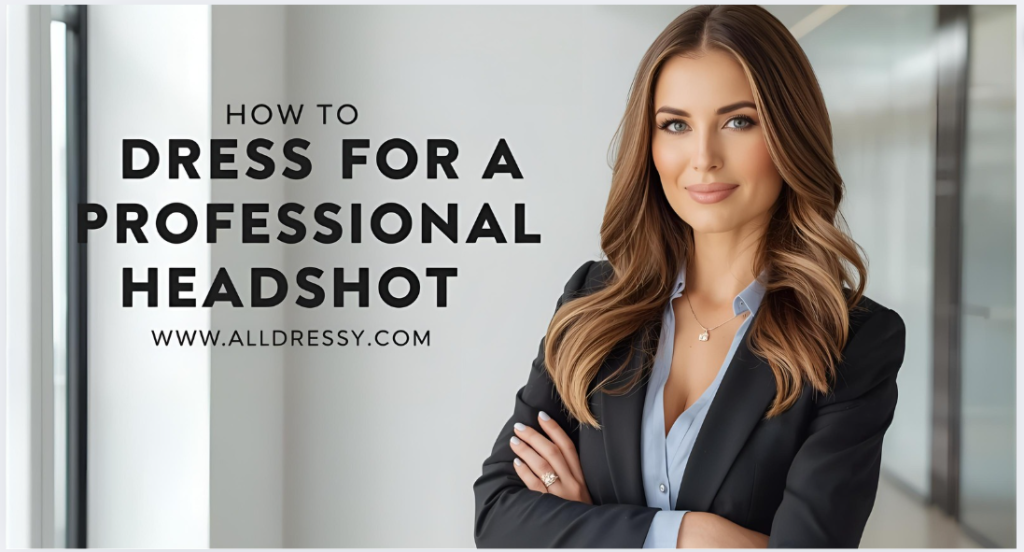

Before focusing on how to dress for a professional headshot, it helps to understand why clothing plays a major role in the final image.
A headshot captures your face, shoulders, and upper chest. In such a tight composition, every visible detail becomes essential. Necklines, collars, textures, and color contrast shape how the camera reads your face.
Clothing affects:
- First impressions
- How your skin tone appears
- How your jawline is defined
- How serious or friendly you appear
- How trustworthy you seem
- How professional you look
When you choose your outfit intentionally, your headshot becomes a branding tool—not just a picture.
How to Dress for a Professional Headshot: Essential Rules

These fundamental principles form the foundation of how you should dress for any type of professional photo session.
1. Choose Solid Colors Over Patterns
Solid colors photograph best. Patterns can cause distortion, distraction, or a “busy” look. Cameras often amplify patterns, making them appear louder.
Avoid:
- Stripes
- Plaids
- Floral prints
- Tiny dots
- Graphic designs
Choose:
- Navy
- Black
- Grey
- Deep green
- Burgundy
- Soft pastels (for light backgrounds)
Solid colors help the viewer focus on your eyes and facial expression—exactly what a headshot needs.
2. Avoid Distracting Logos or Graphics
When learning how to dress for a professional headshot, remember that logos draw attention away from your face. They can date the photo, limit versatility, and reduce professionalism. Opt for clean, logo-free clothing.
3. Stick to Well-Fitted Clothing
Clothes that fit perfectly look clean, polished, and confident. Ill-fitting clothes add bulk, create awkward folds, and distract from your face.
Good fit includes:
- Smooth shoulders
- Clean neckline
- No bunching around the waist
- No gaping buttons
A well-tailored outfit makes even simple pieces look expensive.
4. Choose Necklines That Complement Your Face
Your neckline subtly changes the shape of your face in a headshot. Understanding this helps you choose the right look.
Best Necklines for Headshots
- V-necks (elongate the neck)
- Crew necks (clean and simple)
- Collared shirts (classic and professional)
- Scoop necks (softens features)
- Structured blazers (adds authority)
Necklines to Avoid
- Deep plunging cuts
- Turtlenecks (can shorten the neck)
- Busy ruffles or oversized bows
- Off-the-shoulder tops
Neckline choice is one of the most overlooked details in how to dress for a professional headshot, yet it dramatically affects your appearance.
How to Dress for a Professional Headshot for Women
Women have more options, but this also means more room for mistakes. The goal is to highlight your features without overwhelming your face.
1. Choose Simple, Flattering Tops
Women should choose tops that frame the face without overpowering it.
Best choices:
- Fitted blouses
- Structured tops
- Solid color sweaters
- Professional blazers
- Clean-cut dresses (if the top portion is visible)
Avoid:
- Large ruffles
- Dramatic sleeves
- Sequins
- Glitter fabric
Your face should always be the focus.
2. Pay Attention to Fabrics
Certain fabrics photograph better than others.
Ideal fabrics:
- Matte cotton
- Wool blends
- Ponte knits
- Silk (matte, not shiny)
- Crepe fabrics
Avoid overly shiny materials—they reflect light unevenly.
3. Choose Jewelry Carefully
Jewelry is an important part of how to dress for a professional headshot, but subtlety is key.
Good choices:
- Small studs
- Simple hoops
- Delicate chains
- Minimal bracelets
Avoid:
- Large statement necklaces
- Big dangling earrings
- Colorful oversized jewelry
Anything that distracts from your eyes should stay at home.
4. Makeup Should Be Clean and Natural
Women often ask what makeup works best for headshots.
General guidelines:
- Even skin tone
- Defined but natural eyebrows
- Soft eye makeup
- Neutral lipstick
- Light contouring
Avoid heavy glam makeup unless your headshot is for acting or modeling.
5. Hairstyles Should Reveal Your Face
Hair is a major part of how you present yourself.
For headshots:
- Keep hair off the face
- Avoid excessive volume
- Choose simple, professional styling
Loose curls, straight hair, or tied-back styles all work well.
How to Dress for a Professional Headshot for Men
Men typically have fewer wardrobe choices, but each one affects the final image significantly.
1. Always Wear a Well-Fitted Shirt
Men’s shirts should be:
- Clean
- Ironed
- Fitted
- Buttoned appropriately
Avoid loose collars, wrinkled fabric, and faded materials.
2. Choose the Right Collar Type
Shirt collars influence jawline definition in photos.
Best for men:
- Semi-spread collars
- Classic collars
- Button-down collars (casual industries)
Avoid:
- Oversized collars
- Worn, frayed collars
The collar frames the face, helping establish professionalism.
3. Suit or No Suit?
Depending on your industry:
Suit is Recommended For:
- Finance
- Law
- Corporate roles
- Real estate
- Executives
No Suit Needed For:
- Creative fields
- Tech startups
- Freelancers
- Artists
- Modern entrepreneurs
If wearing a jacket, ensure it fits perfectly across the shoulders.
4. Choose Colors That Enhance Skin Tone
Skin tone influences what colors work best.
For fair skin:
- Navy
- Charcoal
- Deep green
For medium skin:
- Burgundy
- Olive
- Black
For darker skin:
- Royal blue
- Crisp white
- Grey tones
Color contrast helps your face stand out naturally.
5. Grooming Matters
Men should:
- Trim facial hair
- Style hair neatly
- Avoid shiny skin by using powder
- Moisturize lips
These small details improve photo quality dramatically.
How to Dress for a Professional Headshot for Different Industries
Your industry determines how formal or casual your headshot should look.
Corporate and Business Professionals
Dress formally:
- Blazer
- Button-down shirt
- Solid neutral colors
- Minimal accessories
Corporate headshots require authority and polish.
Creative Fields
Creative professionals can dress more casually:
- Turtlenecks
- Minimalist tops
- Smart-casual jackets
- Muted but expressive colors
Creatives should show personality but stay polished.
Tech Industry
Tech headshots tend to be smart, modern, and approachable.
Men:
- Polos
- Casual button-downs
Women: - Simple tops
- Modern silhouettes
Avoid overly formal suits unless you’re in leadership.
Medical Professionals
Opt for clean, trustworthy visuals:
- Scrubs (optional)
- Solid color tops
- Lab coat (optional)
Colors like navy, white, and light blue work best.
Real Estate Agents
Real estate headshots should communicate approachability and confidence.
Best options:
- Blazers
- Clean shirts
- Polished but modern attire
Blue, black, and grey are popular choices.
Actors and Models
These headshots are about expressing personality.
Actors:
- Neutral colors
- Simple tops
- Focus on facial expression
Models:
- Fashion-clean looks
- Solid tops
- Natural makeup
These headshots serve as branding tools.
How to Dress for a Professional Headshot Based on Background Color
Your clothing must complement—not clash with—the backdrop.
Light Backgrounds
Choose:
- Dark tops
- Jewel tones
- Medium neutrals
Avoid pale or white tops—they blend into the background.
Dark Backgrounds
Choose:
- Lighter colors
- Pastels
- Mid-tone neutrals
Avoid all-black outfits unless the lighting is designed for it.
Outdoor Backgrounds
Choose:
- Earthy tones
- Greens
- Denim
- Soft neutrals
Avoid neon or overly bright colors which distract from your face.
Texture, Layers, and Fabric: How They Influence a Headshot
Texture is subtle but powerful in photos.
Good Textures
- Wool
- Soft knits
- Matte cotton
- Light tweed
Textures to Avoid
- Satin (too reflective)
- Sequins
- Glitter
- Heavy ribbing
Layers such as blazers, cardigans, etc., add structure but should not overwhelm the frame.
How to Prepare Your Clothes Before the Photoshoot
Preparation is just as important as selection.
1. Steam or Iron Your Clothing
Wrinkles are very visible in headshots.
2. Bring Backup Options
Always bring extra tops in case:
- The color clashes with the background
- Wrinkles appear
- Lighting highlights flaws
3. Check Fit Before the Day
Lift your arms, sit down, turn your head—ensure the outfit moves well.
4. Avoid New, Unwashed Clothing
New clothing might be stiff or reflective.
5. Use Lint Rollers
Dark clothing attracts dust easily.
How to Dress for a Professional Headshot for Different Body Types
Choosing the right silhouette enhances your natural shape.
Women
- V-necks elongate the neck.
- Blazers create a defined waist.
- Structured fabrics smooth the figure.
Men
- Tailored jackets slim the torso.
- Fitted shirts highlight the shoulders.
- Avoid clingy fabrics if you prefer understated structure.
Knowing your body type ensures your clothing enhances, not hides, your best features.
Colors to Choose—and Avoid—for Professional Headshots
Best Colors
- Navy
- Black
- Grey
- White (with darker layers)
- Burgundy
- Teal
- Forest green
- Beige or tan
Colors to Avoid
- Neon
- Oversaturated red
- Bright yellow
- Fluorescent green
- Busy multicolor patterns
Colors should flatter your skin tone, match the background, and highlight your expression.
Accessories and Grooming Tips to Elevate Your Headshot
Accessories are subtle but strategic.
Best Accessories
- Minimalist jewelry
- Simple earrings
- Thin necklaces
- Clean watch
Avoid
- Chunky, colorful pieces
- Noisy accessories
- Shiny or reflective surfaces
Grooming matters equally:
- Clean nails
- Neat eyebrows
- Soft powder to prevent shine
- Natural hair placement
Your goal is a polished, camera-ready appearance
Below is the FAQ section and Conclusion for your article on how to dress for a professional headshot.
No outbound links included.
FAQs: How to Dress for a Professional Headshot
1. What colors look best in a professional headshot?
Solid, neutral, and mid-tone colors look best. Navy, charcoal, forest green, burgundy, cream, and soft blue work for most skin tones. Avoid neon colors, busy patterns, and overly bright shades that distract from your face.
2. Should I wear jewelry for a professional headshot?
Minimal, simple jewelry works best. A small necklace, subtle earrings, or a classic watch can add polish without competing with your facial expression. Avoid anything large, shiny, or overly reflective.
3. Can I wear patterns in a headshot?
Small, subtle patterns can work, but solid colors are safest. Bold patterns, logos, and stripes can appear distorted on camera and take attention away from your eyes and facial expression.
4. What should men wear for a corporate headshot?
A well-fitted dress shirt, optional tie, and blazer are ideal. Choose neutral, solid colors. Make sure the collar lies flat, the shirt is pressed, and the jacket fits cleanly through the shoulders.
5. What should women wear for a business headshot?
Blouses, blazers, dresses, and tops with clean lines are great choices. V-necks, structured collars, and tailored fits photograph beautifully. Avoid low-cut tops or revealing jewelry that may look unprofessional.
6. Should I wear makeup for a headshot?
Light, natural makeup photographs best. Use matte products, avoid shiny highlighters, and choose tones close to your natural color. For men, light powder can help reduce shine.
7. Do I need to style my hair differently for a headshot?
Style your hair the way you normally wear it at work. Avoid drastic hair changes right before the session. Make sure any flyaways are smoothed, and bring a small comb or brush for last-minute touch-ups.
8. How many outfit options should I bring to the session?
Bring 2–4 options if possible. Most photographers allow quick changes, which helps you capture multiple looks and choose the best final image.
9. Should I avoid all black or all white clothing?
You don’t need to avoid them completely, but they can be tricky. Pure white may wash out lighter skin tones, and pure black can hide details. Pairing them with layers—like a blazer—helps achieve better balance.
10. Are casual clothes OK for a professional headshot?
Only if your industry allows it. Tech, creative fields, wellness, fitness, or entrepreneurship often accept more relaxed clothing. However, “casual” should still look clean, tailored, and intentional.
Conclusion
Understanding how to dress for a professional headshot is crucial for creating a polished, credible image that supports your career goals. Your headshot often becomes your first impression—online and offline—so every detail matters. The right clothing enhances your confidence, complements your features, and aligns with your industry’s expectations. Whether you’re dressing for a corporate portrait, a personal branding session, or a creative portfolio, your goal is to highlight your face, personality, and professionalism.
By choosing solid colors, avoiding distractions, prioritizing fit, and preparing properly, you create a visual message that communicates trust, competence, and authenticity. Grooming, hair, makeup, and accessories also play an important role, helping you look and feel your best on camera. Every stylistic choice should support your personal brand, not overshadow it.
The more intention you put into selecting the right outfit and preparing for your shoot, the more powerful and long-lasting your headshot will be. With the right guidance, you can present yourself confidently, stand out among peers, and ensure your headshot reflects the professionalism you want others to see