
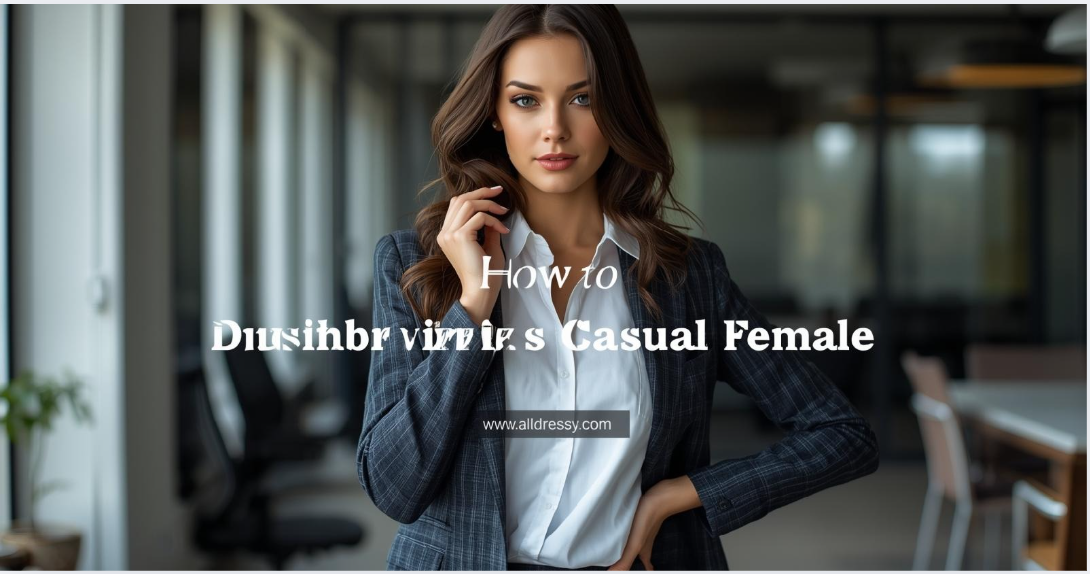
Understanding how to dress business casual female can be a game changer in the workplace. Business casual has become the default office dress standard in many companies, yet its meaning continues to evolve across industries, regions, and seasons. You want a wardrobe that looks polished but not overly formal, professional but not stuffy. This article will not only explain how to dress business casual female correctly, but also how to do it with confidence, personal style, and practicality.
Whether you’re preparing for your first office job, transitioning from college to corporate life, or upgrading your regular work week outfits, mastering how to dress business casual female is both an art and a science. We’ll break down outfits by basics, tops, bottoms, dresses, layers, shoes, accessories, grooming, seasonal variation, workplace culture, common mistakes, and smart shopping tips.
What Does Business Casual Mean for Women?
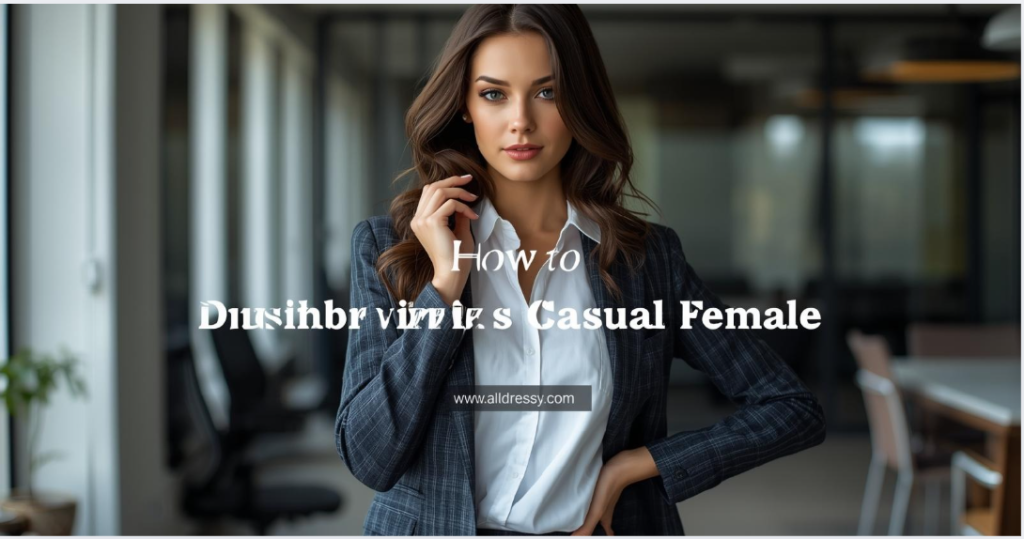
Before learning how to dress business casual female, it’s important to define the concept. Business casual for women blends professionalism with comfort and style. It’s less formal than traditional business wear, but more polished than casual outfits. Think tailored pants instead of jeans, blouses instead of tees, and structured layers instead of hoodies.
The goal of business casual is to look approachable and competent. The key is balance: clothing should be neat, clean, and well-fitted without being too corporate or too relaxed.
The Fundamentals: Core Pieces Every Woman Should Have
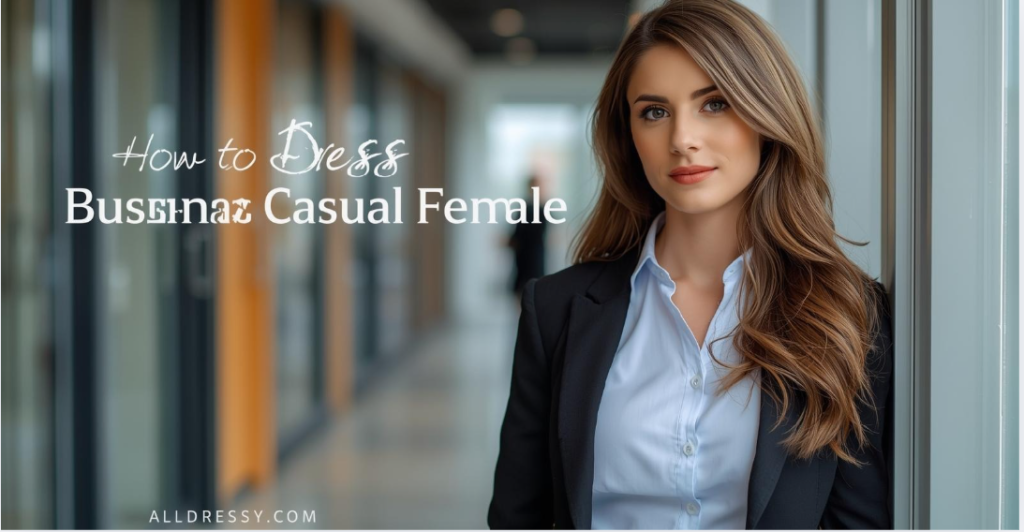
When learning how to dress business casual female, start with foundational pieces that mix and match effortlessly.
Tailored Trousers
One of the most essential items in a business casual wardrobe:
- Neutral Colors: Black, navy, gray, taupe, olive.
- Fit: Slim or straight cut, not too tight or too loose.
- Length: Should hit at the ankle or slightly longer, depending on your shoes.
- Fabrics: Stretch blend for comfort during long days.
Blazers and Jackets
Though not mandatory every day, blazers instantly elevate an outfit:
- Single- or double-breasted styles.
- Neutral tones plus one statement color.
- Soft, unstructured blazers for a relaxed office and structured ones for meetings.
Blouses and Shirts
The best tops for business casual are:
- Button-downs with soft collars.
- Silk or polyester blouses.
- Knit tops with minimal embellishment.
Avoid loud logos, graphics, or overly bright prints unless your workplace is creative.
Skirts
Skirts are key to knowing how to dress business casual female:
- Pencil skirts hit at or just below the knee.
- A-line skirts are flattering and professional.
- Pair with tights in cooler months.
Dresses
Dresses provide single-piece ease:
- Wrap dresses for flattering fits.
- Shift dresses that skim the body.
- Solid colors and subtle patterns work best.
Cardigans and Sweaters
Perfect for layering in colder months:
- V-neck and crew neck options.
- Fine knits over chunky sweaters.
- Colors that complement tops and bottoms.
Shoes
Shoes complete your look:
- Loafers, ballet flats, low heels, and block heels—comfortable and polished.
- Closed-toes are safer for conservative offices, while stylish flats work in creative environments.
Tops: Best Business Casual Blouses and Shirts
When learning how to dress business casual female, the right top sets the tone for your outfit.
Classic Button-Down Shirts
A timeless choice:
- Crisp cotton or poplin fabric.
- Pastel and white tones for versatility.
- Roll-up sleeves for a relaxed but professional vibe.
Blouses With Personality
Add flair without losing business casual integrity:
- Subtle ruffles or pleats.
- Modest necklines.
- Patterns like pinstripes, small florals, or polka dots.
Knit Tops
Great alternatives to blouses:
- Breathable fabrics that hold shape.
- Pair with a blazer for a refined look.
- Solid colors are easiest to style.
Bottoms: Pants, Skirts, and More
Knowing how to dress business casual female includes understanding which bottom options are office-appropriate.
Tailored Pants
These are often the foundation of business casual outfits:
- Straight leg or slim fit.
- Air-flow fabrics for comfort.
- Mid- to high-rise for professionalism.
Skirts
Skirts must be both stylish and office-appropriate:
- Avoid minis; knee-length is ideal.
- Choose quality fabrics like wool blend or cotton blend.
- Pair with tights for cooler weather.
Dress Pants Alternatives
If your office allows more variety:
- Cropped trousers.
- Wide-leg pants for a fashion-forward look.
- Just ensure they’re not too casual.
Dresses: Easy, Polished Options
Dresses simplify outfit decisions when you’re still figuring out how to dress business casual female.
Shift Dresses
Perfect for many body types:
- Sculpted but not tight.
- Pair with a belt for definition.
Wrap Dresses
Flattering and modern:
- Adjustable fit.
- Works in nearly all office settings.
Shirt Dresses
Structured yet relaxed:
- Belted styles look more professional.
- Avoid denim shirt dresses unless paired with tailored pieces.
Layers: Blazers, Cardigans, and Outerwear
Layering is vital for both style and comfort. Knowing how to layer is part of how to dress business casual female.
The Right Blazer
- Neutral colors are your best foundation.
- Try cropped or longline depending on your proportions.
- A soft unstructured blazer works well with dress pants or dresses.
Cardigans
A less formal layering option:
- Avoid bulky knits.
- Choose mid-weight fabrics that don’t add bulk.
- A longline cardigan can elongate the silhouette.
Lightweight Jackets
For a more modern office:
- Tailored knit jackets.
- Soft suiting jackets.
- Keep colors simple.
Shoes and Hosiery: Comfort Meets Professional
The right shoes are essential. They should be comfortable enough for busy days and polished enough to match your attire.
Flats
- Pointed toe flats look more professional.
- Avoid athletic sneakers unless your office is creative.
Heels
- Block heels or kitten heels for comfort.
- Not too tall; aim for 1–3 inches.
Boots
Perfect for fall and winter:
- Ankle boots in leather or suede.
- Mid-calf boots with dresses or skirts.
Hosiery
In conservative offices:
- Skin-tone or sheer black tights.
- Keep denier moderate for professional appearance.
Colors and Patterns: What Works for Business Casual
Understanding color and pattern helps refine how to dress business casual female.
Neutral Palette
A professional wardrobe often starts with:
- Black, navy, gray, beige, white, and cream.
- These colors mix and match easily.
Add Accent Colors
Use pops of color wisely:
- Soft pinks, blues, greens.
- Jewel tones in fall/winter.
Patterns
Patterns can elevate looks but should stay subtle:
- Stripes, small checks, muted florals.
- Avoid loud graphics and neon colors.
Accessories: Enhancing Your Business Casual Look
Accessories refine your outfit, but the key in how to dress business casual female is moderation.
Jewelry
- Simple necklaces or studs.
- Avoid oversized statement pieces unless in creative settings.
Belts
- Skinny or medium width belts.
- Match belt color to shoes for cohesion.
Bags
- Structured tote or satchel.
- Medium size for daily essentials.
Scarves
Great for transition seasons:
- Silk scarves add elegance.
- Neutral patterns work best.
Hair and Makeup: Polished Without Overdoing It
How to dress business casual female goes beyond clothes; grooming completes your professional presence.
Hair
- Clean, styled hair shows polish.
- Simple ponytails, buns, or loose waves.
- Avoid extreme colors unless acceptable in your office culture.
Makeup
- Neutral tones for eyes and lips.
- Light foundation and mascara.
- Avoid dramatic looks unless fitting your workplace style.
Seasonal Variations: Adapting Business Casual Year-Round
Learning how to dress business casual female means adapting for each season.
Spring
- Light colors and fabrics.
- Linen or cotton blend pants.
- Breathable blouses.
Summer
- Dresses, skirts, and lightweight tops.
- Avoid shorts; stick to knee-length or longer.
- Sandals only if workplace allows.
Fall
- Layers are key: blazers, cardigans.
- Rich colors: burgundy, olive, mustard.
Winter
- Wool blends and structured coats.
- Tights with skirts, cashmere layers.
- Closed toe shoes or boots.
Workplace Culture and Business Casual Variations
Business casual is not one-size-fits-all. Understanding your workplace culture is part of how to dress business casual female.
Corporate vs. Creative
- Corporate: More conservative; lean neutral, structured pieces.
- Creative: May allow prints, color, expressive accessories.
Client-Facing Roles
If your role involves clients:
- Dress slightly more formal than internal teams.
- Always err on the side of polished.
Tech and Startups
These workplaces may allow relaxed interpretations:
- Dark, tailored jeans with blazers.
- Sneakers with structured outfits (if appropriate).
Common Mistakes to Avoid
Even with great pieces, mistakes in styling can detract from your overall look.
Too Casual
- Sweatshirts, hoodies, flip-flops, leggings are not business casual.
- Reserve athleisure for weekends.
Too Formal
- Full suits might be overdressed unless standard in your office.
- Save formal wear for presentations or events.
Ill-Fitting Clothes
- Clothes too tight or too loose look unprofessional.
- Tailoring makes even simple pieces look expensive.
Over-accessorizing
- Too many accessories detract from a clean, professional look.
- Choose one or two statement pieces at most.
Smart Shopping Tips for Building a Business Casual Wardrobe
Developing a wardrobe that answers how to dress business casual female doesn’t have to be expensive.
Invest in Basics
- Quality trousers, blazers, and tops.
- These are the backbone of your wardrobe.
Shop Seasonal Sales
- End-of-season deals bring high-quality pieces within budget.
Mix High and Low
- Pair investment pieces with affordable tops or accessories.
Tailoring
- A great tailor can improve fit dramatically.
Wardrobe Planning: Creating Outfits Ahead of Time
Planning outfits is part of mastering how to dress business casual female.
Outfit Rotation
- Plan weekly outfits to reduce morning stress.
- Photograph favorite combinations for reference.
Capsule Wardrobe
- 15–20 versatile pieces can generate numerous outfit options.
- Focus on color coordination and layering.
Travel Business Casual
- Pack multi-use pieces.
- Neutral palette makes mixing easy.
Final Thoughts
Understanding how to dress business casual female unlocks confidence, enhances professionalism, and ensures you’re ready for any office scenario. By choosing core pieces thoughtfully, paying attention to fit, and adapting to workplace culture and seasons, you create a wardrobe that’s both functional and stylish.
Below are SEO-optimized FAQs and a professional conclusion for the article “How to Dress Business Casual Female”. The tone matches workplace professionalism and search intent.
Frequently Asked Questions (FAQs)
1. What is business casual for women exactly?
Business casual for women is a professional dress style that blends formal office wear with comfort. It typically includes tailored pants, blouses, skirts, dresses, blazers, cardigans, and closed-toe shoes, while avoiding overly casual items like jeans, sneakers, or graphic tops.
2. Can women wear jeans in a business casual workplace?
In some modern or creative offices, dark-wash, well-fitted jeans may be acceptable when paired with a blouse and blazer. However, in traditional or corporate environments, tailored trousers or skirts are a safer business casual choice.
3. Are dresses considered business casual for women?
Yes, dresses are a great option when learning how to dress business casual female. Knee-length or midi dresses with modest necklines and structured silhouettes work best in professional settings.
4. What shoes are appropriate for business casual female outfits?
Appropriate shoes include loafers, ballet flats, low heels, block heels, and ankle boots. Shoes should be clean, comfortable, and polished. Athletic shoes and flip-flops are generally not considered business casual.
5. Can women wear sleeveless tops in business casual offices?
Sleeveless tops may be acceptable in warmer months if they are modest and professional. Adding a blazer or cardigan helps maintain a business-appropriate appearance, especially in more conservative workplaces.
6. How should a woman dress business casual in summer?
Lightweight fabrics, breathable blouses, midi skirts, and structured dresses are ideal. Avoid sheer fabrics, short skirts, or overly casual sandals unless the office culture clearly allows them.
7. Is business casual the same for every workplace?
No. Business casual varies depending on company culture, industry, and role. Corporate offices tend to be more conservative, while creative or tech workplaces may allow more flexibility in colors, patterns, and silhouettes.
8. How many outfits should a business casual wardrobe include?
A well-planned business casual wardrobe can include 15–20 versatile pieces that mix and match easily, allowing for dozens of outfit combinations without excessive shopping.
9. Are accessories important in business casual dressing?
Yes, accessories complete a business casual look. Minimal jewelry, structured handbags, belts, and scarves can elevate outfits while maintaining a professional appearance.
10. What should women avoid wearing in a business casual office?
Avoid clothing that is too casual (leggings, hoodies, ripped jeans), too revealing (deep necklines, mini skirts), or too formal (full suits, evening wear). Fit and neatness are essential.
Conclusion
Mastering how to dress business casual female is about achieving the right balance between professionalism, comfort, and personal style. Business casual dressing allows women to express confidence and individuality while still meeting workplace expectations. By focusing on well-fitted clothing, neutral foundations, smart layering, appropriate footwear, and thoughtful accessories, women can create a polished and versatile office wardrobe.
Understanding workplace culture, seasonal adjustments, and common styling mistakes further ensures consistency and confidence in daily outfits. When done correctly, business casual dressing not only enhances appearance but also reinforces credibility, professionalism, and self-assurance in any professional environment.