
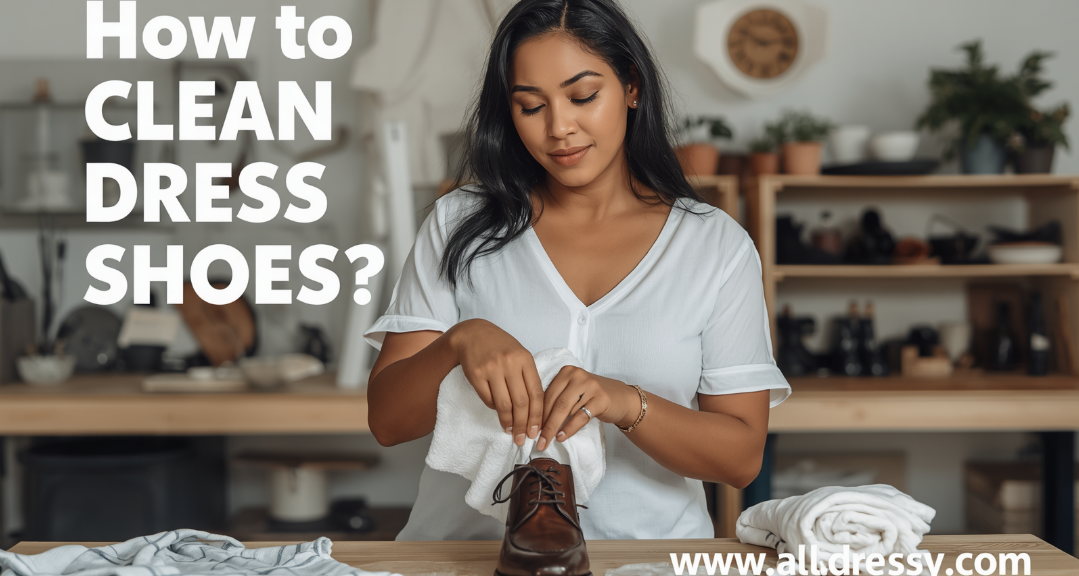
Dress shoes are an essential part of any polished wardrobe, whether for work, formal events, or special occasions. However, maintaining their appearance requires proper care and attention. Knowing how to clean dress shoes correctly can extend their lifespan, preserve their shine, and keep them looking as good as new.
Many people make the mistake of neglecting their shoes or using the wrong cleaning techniques, which can lead to cracks, fading, and permanent damage. This comprehensive guide will walk you through everything you need to know about how to clean dress shoes, including different materials, tools, step-by-step cleaning methods, and expert tips for long-term maintenance.
Why Learning How to Clean Dress Shoes Matters
Understanding how to clean dress shoes is not just about appearance—it’s about preserving quality and value:
- Extends the life of your shoes
- Maintains a professional and polished look
- Prevents material damage such as cracking or staining
- Saves money by reducing the need for frequent replacements
Proper care ensures your investment in dress shoes pays off over time.
Understanding Different Types of Dress Shoe Materials
Before learning how to clean dress shoes, it’s important to identify the material, as each requires a different approach.
1. Leather Dress Shoes
The most common type, leather shoes require regular cleaning and conditioning to prevent drying and cracking.
2. Suede Dress Shoes
Suede is delicate and prone to staining, requiring special brushes and minimal moisture.
3. Patent Leather Shoes
Known for their glossy finish, patent leather needs gentle cleaning to avoid scratches.
4. Synthetic or Faux Leather Shoes
These are easier to clean but may not require conditioning like real leather.
Essential Tools for Cleaning Dress Shoes
To properly master how to clean dress shoes, you’ll need the right tools:
- Soft cloth or microfiber cloth
- Soft-bristle brush
- Shoe cleaner or mild soap
- Leather conditioner
- Shoe polish (matching color)
- Suede brush and eraser (for suede shoes)
- Water and a small bowl
- Shoe trees (optional but recommended)
Having the correct tools makes the process more effective and prevents damage.
Step-by-Step Guide: How to Clean Dress Shoes (Leather)
Leather dress shoes require a detailed cleaning process:
Step 1: Remove Dirt and Dust
Start by removing surface dirt:
- Use a soft brush or dry cloth
- Focus on seams and creases
- Remove laces for thorough cleaning
This step prevents dirt from scratching the leather during cleaning.
Step 2: Clean with Mild Solution
- Mix a small amount of mild soap with water
- Dampen a cloth (not soaking wet)
- Gently wipe the surface
Avoid soaking leather, as excess water can cause damage.
Step 3: Dry Properly
- Let shoes air dry at room temperature
- Avoid direct sunlight or heat sources
Proper drying prevents cracking and warping.
Step 4: Apply Leather Conditioner
Conditioning is crucial when learning how to clean dress shoes:
- Use a small amount of conditioner
- Apply evenly with a soft cloth
- Allow it to absorb for several minutes
This step restores moisture and flexibility.
Step 5: Polish for Shine
- Apply shoe polish in circular motions
- Let it dry briefly
- Buff with a clean cloth or brush
Polishing enhances appearance and adds a protective layer.
How to Clean Suede Dress Shoes
Suede requires a completely different method:
1. Brush Away Dirt
Use a suede brush to remove dirt and restore texture.
2. Use a Suede Eraser
Rub gently to remove stains or marks.
3. Avoid Water
Water can damage suede; use specialized cleaners if necessary.
4. Restore Texture
Brush again after cleaning to maintain the soft finish.
How to Clean Patent Leather Shoes
Patent leather needs gentle care:
- Wipe with a damp cloth
- Use a small amount of mild cleaner if needed
- Buff with a dry cloth for shine
Avoid abrasive materials that can scratch the glossy surface.
How to Clean Synthetic Dress Shoes
Synthetic shoes are easier to maintain:
- Clean with mild soap and water
- Wipe dry with a cloth
- Skip conditioning unless recommended
They require less maintenance but still benefit from regular cleaning.
Removing Common Stains from Dress Shoes
Understanding stain removal is key when learning how to clean dress shoes:
1. Water Stains
- Wipe the entire shoe with a damp cloth
- Let it dry evenly
2. Salt Stains
- Mix water with a small amount of vinegar
- Gently wipe affected areas
3. Oil or Grease Stains
- Use a small amount of baking soda or cornstarch
- Let it absorb oil before brushing off
4. Scuff Marks
- Use a soft cloth or eraser
- Apply polish afterward
Deep Cleaning vs. Regular Maintenance
Regular Cleaning
- Quick wipe after each use
- Light polishing
Deep Cleaning
- Full cleaning, conditioning, and polishing
- Done every few weeks or months depending on use
Balancing both keeps your shoes in top condition.
How Often Should You Clean Dress Shoes?
Frequency depends on usage:
- Daily wear: Clean weekly
- Occasional use: Clean after each wear
- Formal shoes: Clean before and after events
Regular care prevents buildup and damage.
Drying and Storage Tips
Proper storage is part of how to clean dress shoes:
- Use shoe trees to maintain shape
- Store in a cool, dry place
- Avoid stacking shoes
- Use dust bags or boxes for protection
Good storage extends the life of your shoes significantly.
Common Mistakes to Avoid
Avoid these mistakes when learning how to clean dress shoes:
- Using too much water
- Skipping conditioning
- Using harsh chemicals
- Drying shoes with heat
- Ignoring stains for too long
These errors can permanently damage your shoes.
Advanced Tips for Professional-Level Shine
If you want a premium finish:
- Use multiple thin layers of polish
- Buff between layers
- Use a small amount of water for a mirror shine
- Finish with a soft cloth for gloss
These techniques elevate your shoe care routine.
Benefits of Regular Shoe Care
Consistent cleaning offers long-term advantages:
- Preserves material quality
- Maintains color and shine
- Prevents odors
- Improves overall appearance
Well-maintained shoes reflect attention to detail and personal style.
How Weather Affects Dress Shoe Cleaning
Weather conditions impact cleaning frequency:
- Rain: Clean and dry immediately
- Dusty conditions: Brush frequently
- Winter: Remove salt stains promptly
Adapting your routine to weather helps protect your shoes.
When to Seek Professional Cleaning
Sometimes professional care is necessary:
- Deep stains that won’t come out
- Expensive or delicate shoes
- Significant damage or wear
Professional cleaning can restore shoes to near-new condition.
Final Thoughts on How to Clean Dress Shoes
Mastering how to clean dress shoes is an essential skill for maintaining a polished and professional appearance. By understanding the different materials, using proper tools, and following a consistent cleaning routine, you can keep your shoes looking elegant and extend their lifespan.
From basic cleaning to advanced polishing techniques, taking the time to care for your dress shoes ensures they remain a reliable and stylish part of your wardrobe for years to come.
Frequently Asked Questions (FAQs) About How to Clean Dress Shoes
1. How often should I clean my dress shoes?
The frequency depends on how often you wear them. For daily use, cleaning once a week is ideal. For occasional wear, cleaning after each use or before storage helps maintain their condition.
2. Can I use water to clean dress shoes?
Yes, but only in small amounts. A slightly damp cloth is safe for most materials like leather or synthetic shoes. Avoid soaking shoes, especially leather and suede, as excess water can cause damage.
3. What is the best way to clean leather dress shoes?
The best method involves removing dirt with a brush, wiping with a damp cloth, applying leather conditioner, and finishing with polish. This keeps the leather soft, shiny, and protected.
4. How do I remove scuff marks from dress shoes?
Scuff marks can be removed by gently rubbing with a soft cloth or eraser. For deeper marks, apply a small amount of shoe polish to restore the finish and blend the area.
5. Can I clean suede dress shoes with water?
No, water can damage suede and cause stains. Instead, use a suede brush and eraser to remove dirt and marks. For stubborn stains, use a specialized suede cleaner.
6. Do I need to condition my dress shoes?
Yes, conditioning is essential for leather shoes. It prevents cracking, keeps the material soft, and extends the life of your shoes. Conditioning should be done after cleaning and before polishing.
7. What type of polish should I use?
Use a polish that matches your shoe color for the best results. Neutral polish can also be used but may not restore color as effectively as a matching shade.
8. How can I prevent my dress shoes from smelling bad?
Allow shoes to air out after wearing, use shoe trees to absorb moisture, and keep them in a dry environment. You can also use odor-absorbing inserts if needed.
9. Is it safe to use household cleaners on dress shoes?
It’s best to avoid harsh household cleaners, as they can damage the material. Use mild soap or products specifically designed for shoe care to ensure safe cleaning.
10. When should I take my dress shoes to a professional cleaner?
Consider professional cleaning for deep stains, delicate materials, or expensive shoes that require specialized care. Professionals can restore your shoes without risking damage.
Conclusion
Learning how to clean dress shoes is an essential part of maintaining a polished and professional appearance. With the right techniques, tools, and routine care, you can keep your shoes looking elegant, clean, and well-maintained for years. Proper cleaning not only enhances their appearance but also protects the material, preventing damage such as cracks, fading, or stubborn stains.
By following a consistent cleaning routine, conditioning leather regularly, and addressing stains promptly, you can extend the lifespan of your dress shoes and preserve their quality. Whether you own leather, suede, patent, or synthetic shoes, each type benefits from proper care tailored to its material.
Taking the time to care for your dress shoes ensures they remain a reliable part of your wardrobe, helping you look confident and stylish in every formal or professional setting.