
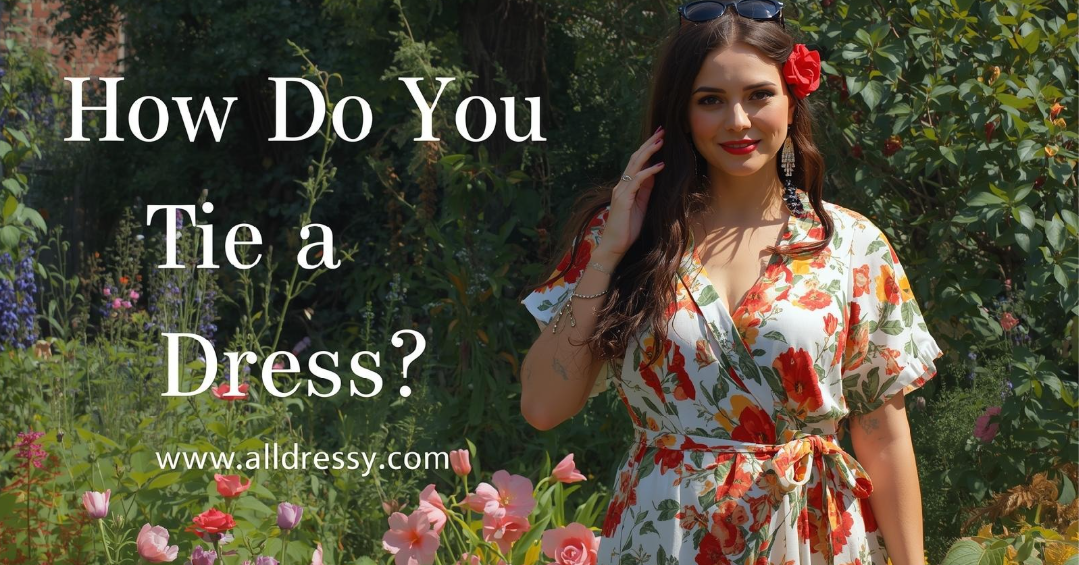
Wrap dresses are one of the most versatile and flattering garments ever created, yet many people still ask the same question: how do you tie a wrap dress correctly? While a wrap dress appears simple, tying it properly makes a huge difference in comfort, fit, silhouette, and confidence. Whether you are wearing a classic Diane-style wrap dress, a modern faux wrap, or a convertible wrap dress, understanding the correct tying technique ensures the dress looks intentional rather than messy.
This in-depth guide explains how do you tie a wrap dress for different body types, fabrics, dress designs, and occasions. It also covers common mistakes, fit adjustments, and styling techniques that most competitor articles fail to explain.
Understanding the Structure of a Wrap Dress Before Tying It
Before learning how do you tie a wrap dress, it is important to understand how a wrap dress is constructed. Unlike pull-on dresses, wrap dresses consist of overlapping fabric panels that wrap around the body and secure with ties.
Most wrap dresses include:
- An inner panel that wraps across the body
- An outer panel that overlaps the inner panel
- One or two ties attached at the waist
- A side seam hole or loop for threading a tie
Recognizing these elements makes the tying process intuitive and prevents incorrect wrapping that leads to gaping or uneven hems.
How Do You Tie a Wrap Dress the Classic Way

The classic wrap dress tie method works for most traditional designs and body types. This is the foundational method everyone should learn first.
Step 1: Put the Dress On Correctly
Slip into the wrap dress like a robe, making sure the inner panel is against your body. The neckline should sit evenly on both sides, and the waist seam should align with your natural waist.
Step 2: Wrap the Inner Panel Across Your Body
Pull the inner panel snugly across your torso. It should lie flat against your body without bunching or pulling. This step creates coverage and determines how secure the dress will feel.
Step 3: Thread the Inner Tie Through the Side Opening
Most wrap dresses have a small hole or loop on one side seam. Thread the inner tie through this opening from the inside to the outside. Pull it gently to secure the inner panel.
Step 4: Wrap the Outer Panel Over the Inner Panel
Bring the outer panel across your body, overlapping the inner panel smoothly. Adjust the neckline so it sits evenly and comfortably.
Step 5: Tie at the Waist
Tie the outer tie at your natural waist, either at the side or slightly toward the back, depending on the design. The tie should be firm but not tight, allowing natural movement and comfort.
This method answers the basic question of how do you tie a wrap dress and works for most classic styles.
How Do You Tie a Wrap Dress for a Better Fit
Many people tie wrap dresses too loosely or too tightly, leading to discomfort or wardrobe malfunctions. Proper fit is just as important as knowing how do you tie a wrap dress.
Adjusting for Bust Size
If you have a fuller bust:
- Pull the inner panel slightly higher before tying
- Secure the inner tie firmly
- Adjust the neckline before tying the outer panel
This prevents gaping and creates better coverage.
For smaller busts:
- Tie the dress slightly looser at the waist
- Allow the neckline to sit naturally without pulling it tight
Adjusting for Waist Definition
To create a more defined waist:
- Tie the dress closer to the side seam
- Pull the outer panel slightly tighter before knotting
For a relaxed fit:
- Tie the dress toward the back
- Leave a little ease in the fabric
How Do You Tie a Wrap Dress So It Doesn’t Open When Walking
One of the biggest concerns with wrap dresses is movement. Knowing how do you tie a wrap dress securely prevents the dress from opening while walking or sitting.
Key techniques include:
- Always securing the inner tie firmly
- Ensuring the inner panel overlaps sufficiently
- Adjusting the hemline before tying
- Avoiding tying only the outer tie without the inner one
Some people also use discreet fashion tape along the neckline or hem for extra security, especially on windy days.
How Do You Tie a Wrap Dress with Long Ties
Some wrap dresses feature extra-long ties that offer styling flexibility. While beautiful, these can be confusing without guidance.
Side Knot Style
Tie the dress at the side waist and allow the ends to drape naturally. This creates an elegant asymmetrical look.
Back Tie Style
Wrap the ties around the waist and knot them at the back. This offers a cleaner front silhouette and highlights the waist.
Wrap-Around Style
Wrap the ties fully around the waist once before tying. This adds structure and works well with thinner fabrics.
Understanding these options expands your knowledge of how do you tie a wrap dress beyond the basic method.
How Do You Tie a Wrap Dress for Different Dress Lengths
Wrap dresses come in mini, midi, and maxi lengths. Each requires slight adjustments when tying.
Mini Wrap Dresses
Mini dresses should be tied slightly higher at the waist to maintain proper coverage and prevent the hem from riding up.
Midi Wrap Dresses
Midi dresses benefit from precise alignment of the panels to ensure the hem falls evenly around the legs.
Maxi Wrap Dresses
Maxi wrap dresses require careful smoothing of the fabric before tying to prevent twisting or uneven draping.
Length affects balance and proportion, making this an important consideration when learning how do you tie a wrap dress properly.
How Do You Tie a Wrap Dress Made from Slippery Fabrics
Silk, satin, and rayon wrap dresses behave differently than cotton or linen. Slippery fabrics require extra attention.
Tips include:
- Holding the inner panel firmly while threading the tie
- Double-knotting the waist tie if necessary
- Avoiding overtightening, which can cause puckering
- Ensuring fabric lies flat before tying
Mastering this technique ensures elegance without constant adjustments.
How Do You Tie a Faux Wrap Dress
A faux wrap dress looks like a wrap dress but does not open fully. These dresses usually include a fixed inner panel and decorative ties.
When dealing with faux wrap styles:
- Adjust the fit using the ties without pulling too tight
- Focus on balancing the neckline
- Tie primarily for aesthetic purposes rather than structure
Understanding the difference prevents confusion when learning how do you tie a wrap dress versus a faux wrap.
How Do You Tie a Convertible Wrap Dress
Convertible wrap dresses offer multiple tying options, making them highly versatile but also more complex.
Common tying methods include:
- Halter style
- One-shoulder style
- Strapless style
- Crisscross back style
Each method requires wrapping the ties around the torso in different directions. The key is maintaining tension evenly so the dress stays secure while highlighting the desired neckline.
Common Mistakes When Tying a Wrap Dress
Even experienced wearers make mistakes when answering the question how do you tie a wrap dress.
Common errors include:
- Skipping the inner tie
- Tying at the hips instead of the waist
- Pulling one panel tighter than the other
- Ignoring fabric alignment
- Knotting too loosely
Avoiding these mistakes improves comfort, appearance, and confidence.
How Do You Tie a Wrap Dress for Different Body Shapes
Wrap dresses are universally flattering, but tying them correctly enhances their effect.
Hourglass Figures
Tie at the natural waist to emphasize curves and maintain balance.
Pear Shapes
Tie slightly higher at the waist and allow the skirt to drape smoothly over the hips.
Apple Shapes
Tie just below the bust for a gentle empire effect that elongates the torso.
Petite Frames
Tie higher at the waist to create the illusion of longer legs.
Understanding these adjustments elevates your approach to how do you tie a wrap dress beyond basic instructions.
How Do You Tie a Wrap Dress for Formal vs Casual Looks
The same wrap dress can look completely different depending on how it is tied.
For casual wear:
- Looser tie
- Side knot
- Relaxed neckline
For formal occasions:
- Tighter, structured tie
- Back knot
- Smooth, symmetrical panels
This flexibility is why wrap dresses remain timeless.
Styling While Tying a Wrap Dress
Styling should be considered while tying the dress, not afterward.
Consider:
- Positioning the knot to complement accessories
- Aligning the neckline with jewelry
- Ensuring the hemline matches shoe height
Styling awareness improves the final look and reinforces correct technique.
How Do You Tie a Wrap Dress for Comfort and Movement
Comfort is a major reason people choose wrap dresses. Proper tying allows freedom of movement without constant adjustment.
Key tips:
- Leave slight ease at the waist
- Test sitting and walking before leaving
- Adjust the knot placement for balance
Comfort and security should always coexist.
Caring for the Dress While Tying
Over-tightening or repeatedly pulling the same spot can weaken fabric over time. Gentle handling preserves the dress and maintains its shape.
Smooth, deliberate movements protect seams, ties, and fabric longevity
Frequently Asked Questions (FAQs)
How do you tie a wrap dress so it stays closed all day?
To keep a wrap dress securely closed, always use both the inner and outer ties. The inner tie should be firm enough to hold the inner panel flat against the body, while the outer tie should be snug but comfortable. Proper panel overlap and smooth fabric alignment also help prevent shifting.
Why does my wrap dress keep opening when I walk?
A wrap dress may open if the inner panel is not secured properly or if the dress is tied too loosely. Insufficient overlap, slippery fabric, or tying the knot too low on the hips can also cause movement issues. Adjusting the waist tie higher and smoothing the panels usually resolves this problem.
Where should the knot be tied on a wrap dress?
The knot is typically tied at the natural waist or slightly to the side, depending on the dress design. Some styles allow back tying for a cleaner front look. The key is ensuring even tension so the dress stays balanced and secure.
Can a wrap dress be tied in more than one way?
Yes, many wrap dresses—especially those with long ties—can be tied at the side, back, or wrapped fully around the waist. Convertible wrap dresses offer multiple tying styles, including halter, one-shoulder, or crisscross designs.
How tight should a wrap dress be tied?
A wrap dress should be tied snug enough to stay in place but not so tight that it restricts movement or causes puckering. You should be able to sit, walk, and bend comfortably without feeling pressure at the waist.
How do you tie a wrap dress if the ties are too long?
If the ties are long, wrap them around the waist once or twice before tying, or knot them at the back for a streamlined appearance. Long ties can also be styled into a bow or soft knot for decorative effect.
Do wrap dresses work for all body types?
Yes, wrap dresses are known for being universally flattering. Adjusting how the dress is tied—such as waist placement, panel overlap, and knot position—allows the dress to complement different body shapes effectively.
How do you tie a wrap dress made of slippery fabric?
For slippery fabrics, hold the inner panel firmly while threading the tie, smooth the fabric before knotting, and consider a double knot for extra security. Proper alignment is especially important to prevent shifting.
Is a faux wrap dress tied the same way as a real wrap dress?
No. A faux wrap dress does not fully open and is primarily tied for style rather than structure. The ties should be adjusted for comfort and appearance without pulling too tightly.
Can tying a wrap dress incorrectly damage it?
Yes, repeatedly over-tightening or pulling the same area can weaken seams and fabric over time. Gentle, even tying helps preserve the dress’s structure and longevity.
Conclusion
Understanding how do you tie a wrap dress correctly transforms it from a simple garment into a polished, comfortable, and confidence-boosting outfit. Proper tying techniques ensure the dress fits securely, flatters the body, and moves naturally throughout the day. From classic wrap styles to modern convertible designs, knowing how to adjust tension, panel placement, and knot position allows the wrap dress to adapt effortlessly to different body types, fabrics, and occasions. When tied with care and intention, a wrap dress remains one of the most versatile and timeless pieces in any wardrobe.