
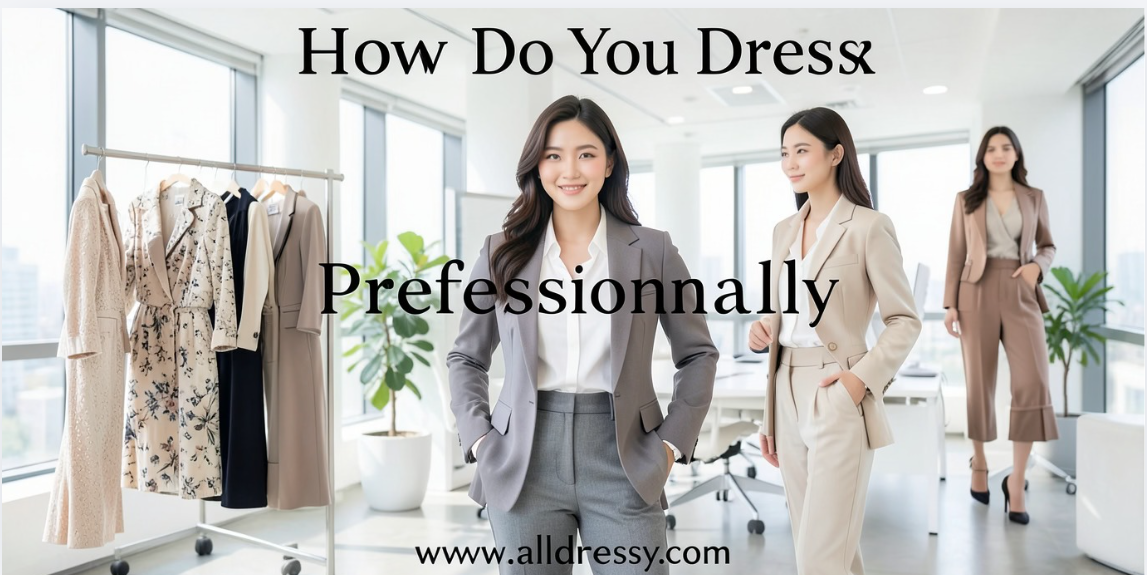
Understanding how do you dress professionally is essential for anyone aiming to make a positive impression in the workplace. Professional attire is more than just clothing; it reflects your confidence, competence, and respect for the environment you are in. Whether you work in a corporate office, a creative agency, or attend virtual meetings from home, dressing professionally impacts how colleagues, clients, and supervisors perceive you. Getting this right can boost credibility, improve career opportunities, and help you feel more confident in any professional setting.
This comprehensive guide will cover everything from business formal, business casual, and smart casual dress codes to accessories, grooming, and industry-specific styling tips. By the end of this guide, you will understand the key principles of professional dressing and know exactly how to put together outfits that balance style, comfort, and workplace appropriateness.
Understanding Professional Dress Codes
Before diving into specific outfits, it is important to understand the different levels of professional dress codes. Knowing the expected attire for your workplace answers the fundamental question: how do you dress professionally in the context of your industry?
Business Formal
Business formal is the most traditional professional attire, common in corporate finance, law, and consulting. It conveys authority, competence, and respect for the workplace hierarchy. Key characteristics include:
- Men: Dark-colored suit (navy, charcoal, or black), dress shirt, tie, polished dress shoes, and subtle accessories.
- Women: Tailored suit with pants or skirt, conservative blouse, closed-toe shoes, minimal jewelry, and neutral tones.
Business formal attire emphasizes structured pieces, clean lines, and muted colors, helping create a polished and authoritative image.
Business Professional
Business professional is slightly less formal than business formal but still emphasizes sharp tailoring and professional polish. It is often seen in corporate environments where client interaction is frequent but the atmosphere is slightly less rigid.
- Men: Dress trousers with a blazer, collared shirt, optional tie, and dress shoes.
- Women: Dress pants or skirt with a blouse and blazer, knee-length dresses, modest accessories, and heels or flats.
The key to business professional attire is looking well-coordinated, neat, and confident without appearing over-dressed.
Business Casual
Business casual is increasingly common in modern workplaces, particularly in tech, education, and creative industries. This dress code allows more flexibility while maintaining professionalism.
- Men: Collared shirts, polo shirts, chinos, dress shoes, or loafers. Sweaters and cardigans are acceptable.
- Women: Blouses, knit tops, tailored trousers, skirts, dresses, and flats or low heels. Layering with a blazer or cardigan helps retain a professional edge.
Business casual answers the question of how do you dress professionally in environments where comfort, style, and creativity are balanced with workplace appropriateness.
Smart Casual
Smart casual is common for workplaces with very relaxed dress codes or for hybrid work settings. The focus is on neatness and coordination, even with more relaxed clothing.
- Men: Dark jeans or chinos with a collared shirt or sweater, polished shoes or clean sneakers.
- Women: Casual dresses, tailored trousers or skirts with stylish tops, flats, or minimal heels.
Smart casual still requires intentional choices to avoid looking sloppy, such as avoiding overly casual t-shirts, ripped jeans, or beach-style footwear.
Key Principles of Dressing Professionally
Regardless of the specific dress code, there are core principles that guide how do you dress professionally:
1. Fit Is Everything
Clothing that fits well enhances confidence and professionalism. Oversized, tight, or ill-fitting garments can distract from your overall appearance and may undermine authority. Key tips:
- Ensure shoulder seams align with your shoulders.
- Trousers and skirts should be tailored to the correct length.
- Blazers and jackets should fit comfortably without pulling or bunching.
A well-fitted outfit demonstrates attention to detail, a quality highly valued in professional environments.
2. Stick to Neutral and Classic Colors
Neutral colors such as black, navy, grey, and beige are the backbone of professional attire. These colors are versatile, timeless, and convey seriousness. While accents or patterns can be incorporated, primary pieces should remain neutral to ensure a professional appearance.
- Men: Navy, charcoal, and black suits; white, blue, or pastel shirts.
- Women: Navy or black suits, neutral blouses, simple dresses, and skirts.
Subtle patterns like pinstripes or small checks can add dimension without sacrificing professionalism.
3. Maintain Grooming and Hygiene
Professional dressing extends beyond clothing. Grooming plays a crucial role in conveying competence and respect for the workplace. Key considerations:
- Hair should be clean, neatly styled, and well-maintained.
- Facial hair for men should be trimmed and tidy.
- Nails should be clean and manicured, with neutral polish if applied.
- Personal hygiene is essential, including subtle or minimal fragrances.
Attention to grooming complements your professional wardrobe and helps create a polished overall image.
4. Prioritize Quality and Fabric
High-quality fabrics such as wool, cotton, silk blends, and linen blend professional polish with comfort. Fabric choice affects not only appearance but also comfort throughout the day.
- Avoid cheap, see-through, or wrinkled materials.
- Invest in quality basics that last, including blazers, dress shirts, and tailored trousers.
- Blended fabrics often provide durability while maintaining a professional look.
Quality fabrics also photograph better and are less prone to looking sloppy after long workdays or meetings.
5. Keep Accessories Minimal and Intentional
Accessories should complement your outfit rather than overwhelm it. Over-accessorizing can look unprofessional. Key suggestions:
- Watches, simple earrings, and subtle necklaces work well.
- Belts should match shoes for a coordinated look.
- Bags and briefcases should be functional, polished, and professional.
Minimalism ensures attention stays on your overall presence and professionalism rather than your accessories.
How Do You Dress Professionally for Men: Detailed Tips
Men’s professional attire focuses on structure, clean lines, and coordinated pieces. Here’s a breakdown of essential components:
Suits
- Opt for dark or neutral colors for formal environments.
- Ensure the jacket fits shoulders and torso without pulling.
- Tailor pants for the correct length, resting lightly on the shoes.
Dress Shirts
- Stick to classic colors like white, light blue, or pale pastels.
- Collar and cuff details matter — crisp collars and properly sized cuffs enhance the professional look.
- Sleeves should end at the wrist bone with about ½ inch of shirt cuff visible when wearing a jacket.
Ties
- Ties should complement suit and shirt colors.
- Avoid overly bright, novelty patterns in conservative settings.
- The tie tip should reach the belt buckle for proper proportion.
Shoes
- Dress shoes should be polished and classic in style — oxfords, derbies, or loafers.
- Black or brown shoes pair with suits depending on color coordination.
- Socks should match trousers and avoid distracting patterns.
How Do You Dress Professionally for Women: Detailed Tips
Women’s professional attire offers versatility while requiring attention to proportion, modesty, and polish. Key components:
Blazers and Jackets
- Tailored blazers enhance any outfit.
- Neutral colors work with multiple wardrobe combinations.
- Structured shoulders and a defined waist create a sharp silhouette.
Dresses and Skirts
- Dresses should be knee-length or longer for conservative workplaces.
- Skirts should sit comfortably at the waist and maintain modest coverage.
- Avoid overly tight, short, or revealing garments in formal professional settings.
Blouses and Tops
- Collared shirts, silk blouses, and knit tops convey professionalism.
- Simple patterns or solid colors are preferred.
- Avoid sheer or clingy fabrics without appropriate layering.
Shoes
- Closed-toe pumps or flats are typically safest.
- Heels should be a manageable height for comfort.
- Ensure shoes are clean, polished, and in good condition.
Layering and Outerwear in Professional Dressing
Proper layering enhances versatility and professionalism. Key guidelines:
- Blazers or cardigans should fit comfortably over shirts or blouses without creating bulk.
- Coats should align with suit jackets in length and color coordination.
- Scarves, if used, should be subtle and professional in material and pattern.
Layering also allows adaptation for seasonal changes while maintaining professional standards.
How Do You Dress Professionally in Different Work Environments
Corporate Offices
Corporate environments demand conservative, structured attire. Men and women should prioritize suits, dress shirts, and polished shoes. Avoid casual pieces such as jeans, sneakers, or graphic tees.
Creative Industries
Creative workplaces allow more flexibility, but professionalism is still key. Smart casual attire works best, incorporating tailored pieces with unique colors or textures to reflect personal style while maintaining polish.
Remote or Hybrid Work
Even if working remotely, dressing professionally enhances focus and video call presence. Smart tops, well-groomed hair, and visible professional attire during virtual meetings convey credibility and confidence.
Incorporating Personal Style While Dressing Professionally
Professional dressing doesn’t mean sacrificing individuality. Subtle ways to express personality while maintaining professionalism include:
- Using muted color accents in ties, scarves, or jewelry.
- Incorporating textures like silk, wool, or subtle patterns.
- Choosing tailored cuts that flatter your body type.
Balancing personal style with workplace appropriateness ensures confidence and authenticity.
Maintaining a Professional Wardrobe
To consistently dress professionally:
- Rotate staples like suits, blazers, and dress shirts.
- Invest in tailoring for a precise fit.
- Keep clothing clean, pressed, and in good repair.
- Organize a capsule wardrobe with interchangeable pieces.
Frequently Asked Questions About How Do You Dress Professionally
1. What is the definition of dressing professionally?
Dressing professionally means wearing attire that reflects competence, confidence, and respect for the workplace environment. It involves appropriate clothing, grooming, accessories, and footwear suited to the company’s culture and dress code.
2. How do you dress professionally on a budget?
Focus on quality staples such as neutral-colored blazers, dress shirts, tailored trousers, and classic shoes. Mix and match pieces, invest in versatile items, and use accessories to elevate simple outfits without overspending.
3. Can casual workplaces require professional dress?
Yes. Even in casual or creative environments, dressing professionally demonstrates respect and creates a polished impression, especially during client meetings, presentations, or interviews. Smart casual or business casual is often the best compromise.
4. How important are shoes in professional attire?
Shoes are extremely important. Polished, well-maintained shoes complete the outfit and convey attention to detail. Closed-toe flats or pumps for women and dress shoes for men are preferred in most professional settings.
5. Are accessories necessary for professional dressing?
Accessories are optional but should be minimal and intentional. Watches, subtle jewelry, belts matching shoes, and professional bags enhance the outfit without overpowering it. Over-accessorizing can distract from a polished appearance.
6. How do I incorporate personal style while dressing professionally?
Use subtle color accents, textures, or patterns in scarves, ties, blouses, or jewelry. Tailored cuts that flatter your body type also allow personal expression while maintaining workplace appropriateness.
7. How often should professional clothing be updated?
Update core pieces every few years or as they wear out. Fashion trends may influence styles slightly, but investing in timeless, high-quality staples ensures long-term professional presentation.
8. Can remote workers dress professionally?
Yes. Dressing professionally, even at home, enhances focus and credibility during virtual meetings. Smart tops, clean grooming, and visible professional attire on camera help maintain a polished image.
9. How do I know what level of professional dress is required?
Check company dress codes, observe colleagues, and note client expectations. When in doubt, it’s better to slightly overdress than underdress. Business casual is often a safe standard if no strict rules are provided.
10. How do grooming and hygiene affect professional dressing?
Grooming is as important as clothing. Clean, styled hair, trimmed facial hair, neat nails, and subtle fragrances contribute to a professional image and reinforce confidence and competence.
Conclusion
Knowing how do you dress professionally is a critical skill that extends beyond clothing choices—it encompasses grooming, accessories, and awareness of workplace culture. Dressing professionally communicates confidence, competence, and respect, whether in corporate offices, creative environments, or virtual settings.
By understanding dress codes, prioritizing fit and quality, maintaining grooming standards, and subtly incorporating personal style, anyone can achieve a polished, professional look. Investing in a versatile wardrobe, mastering layering, and tailoring outfits to your body type ensures that you present yourself with authority and confidence every day. Professional attire is not just about appearance—it’s about making a lasting impression, enhancing credibility, and empowering yourself in any work environment.