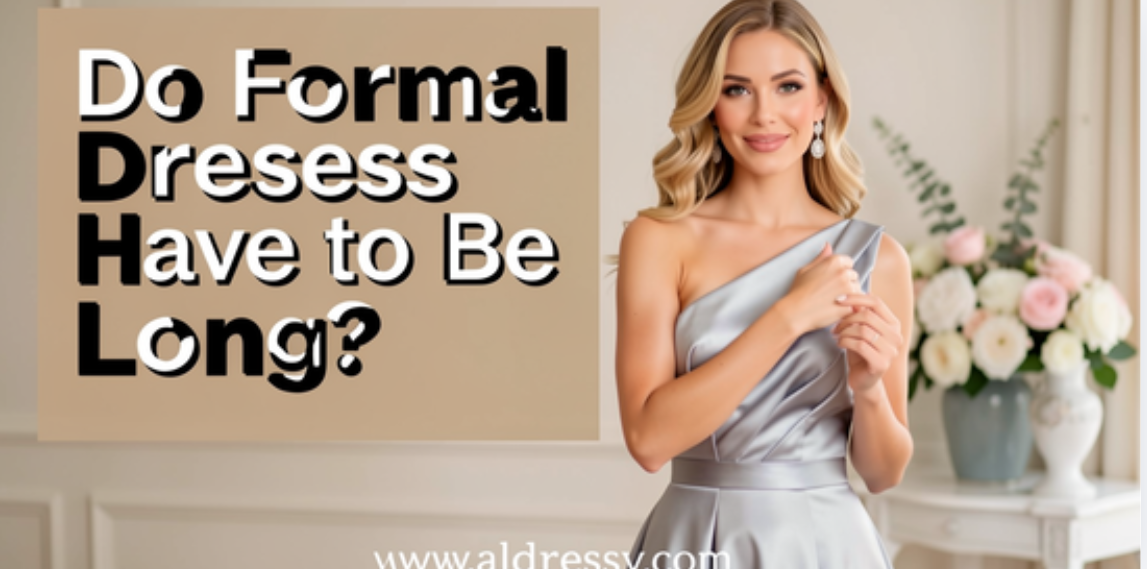
When shopping for evening attire, one of the most common questions people ask is do formal dresses have to be long. This debate has existed for decades, shaped by tradition, evolving fashion standards, cultural expectations, and changing event etiquette. While floor-length gowns were once considered the only acceptable option for formal occasions, modern dress codes have expanded dramatically. Today, women can choose from elegant midi dresses, chic cocktail silhouettes, tea-length styles, and even tailored jumpsuits—depending on the event.
In this comprehensive guide, we’ll explore the history of formal dress codes, the meaning of “formal,” when long gowns are expected, when shorter dresses are perfectly acceptable, how to choose the right length for your body type, season, venue, and culture, and how accessories and styling can elevate any dress into formal territory. If you’ve ever wondered do formal dresses have to be long, this article will give you the most detailed and competitive answer available.
Understanding Formal Attire: What Does “Formal” Really Mean?
Before answering do formal dresses have to be long, it’s important to define what “formal” means in fashion and event etiquette.
Formal attire traditionally refers to clothing worn at elegant or ceremonial occasions—such as black-tie weddings, galas, charity balls, opera nights, awards ceremonies, and upscale evening receptions. Historically, these events demanded floor-length gowns for women and tuxedos for men.
However, modern formalwear now exists on a spectrum:
- Black Tie – Traditionally requires a floor-length gown or very dressy cocktail dress
- Black Tie Optional – Long gowns preferred but refined mid-length dresses acceptable
- Formal / Evening – Elegant dresses of varying lengths, depending on styling
- Semi-Formal – Cocktail or midi dresses
- Cocktail – Knee-length to midi dresses
Because these categories overlap in everyday usage, confusion about length is understandable. This is why people frequently search do formal dresses have to be long when planning for an event.
The Historical Roots of Long Formal Dresses
For centuries, long gowns symbolized status, luxury, and propriety. In royal courts and aristocratic societies, women wore floor-length dresses made from heavy silks, velvets, and brocades. Hemlines brushing the floor were associated with refinement and wealth because such garments were impractical for labor.
During the 19th and early 20th centuries, evening gowns for balls and formal dinners remained long, often featuring trains, corseted bodices, and elaborate embellishment. Hollywood glamour in the 1930s through 1950s reinforced this standard, with movie stars appearing on red carpets in sweeping satin gowns.
These traditions explain why many people still instinctively believe that the answer to do formal dresses have to be long is “yes.” But fashion does not stand still.
Do Formal Dresses Have to Be Long in Modern Fashion?
In today’s style landscape, the answer to do formal dresses have to be long is: not always.
While long gowns remain the safest and most universally accepted choice for very formal occasions, modern etiquette allows for more flexibility than ever before. Designers routinely present formal collections that include midi-length gowns, high-low hems, and even structured mini dresses paired with luxurious fabrics.
What matters most now is not only the length of the dress, but also:
- Fabric quality
- Tailoring
- Silhouette
- Detailing and embellishment
- Overall styling
A knee-length dress made from silk satin with beading and impeccable tailoring can appear more formal than a poorly fitted floor-length gown made from casual fabric.
Events Where Long Dresses Are Usually Expected
Although flexibility exists, certain occasions still lean heavily toward floor-length gowns. If you are attending any of the following, a long dress is typically the safest option:
Black-Tie Weddings
Evening weddings with black-tie dress codes traditionally call for full-length gowns. Bridesmaids, mothers of the couple, and guests often opt for sweeping silhouettes in luxurious fabrics.
Charity Galas and Balls
Fundraising galas, opera nights, and formal charity dinners often retain old-world elegance. Long gowns match the grandeur of these settings.
Awards Ceremonies and Red-Carpet Events
Publicized or televised events encourage dramatic, glamorous fashion—making floor-length dresses the norm.
State Dinners and Diplomatic Functions
These formal events usually adhere to strict etiquette, where long gowns are expected.
Debutante Balls
Traditional society events continue to favor classic full-length gowns.
For these settings, most stylists would answer do formal dresses have to be long with a strong recommendation for floor-length attire.
When Shorter Dresses Can Still Be Formal
There are many situations where a shorter or mid-length dress works beautifully for formal occasions.
Black Tie Optional Events
These allow guests to choose between a tuxedo or dark suit for men, and long gowns or elevated cocktail dresses for women. Here, a midi-length silk dress with elegant accessories can be perfect.
Daytime Formal Weddings
Formal daytime weddings often call for refined attire without the drama of evening gowns. Tea-length or midi dresses are common.
Modern Urban Galas
Fashion-forward charity events sometimes encourage creative silhouettes, including structured knee-length dresses or asymmetrical hems.
Destination Weddings
Beach or resort weddings labeled “formal” may still permit lighter fabrics and shorter hemlines, especially when practicality matters.
In these contexts, the answer to do formal dresses have to be long becomes more nuanced: elegance matters more than length alone.
Fabric: The True Indicator of Formality
If you want to understand do formal dresses have to be long, pay close attention to fabric choices. Certain materials instantly elevate a dress into formal territory:
- Silk and satin
- Velvet
- Chiffon and organza
- Taffeta
- Lace with intricate patterns
- Beaded or sequined mesh
By contrast, cotton, linen, jersey knit, and denim generally read as casual or semi-formal—even if the dress is long.
A midi-length velvet sheath with a dramatic neckline may feel far more formal than a floor-length cotton sundress.
Silhouette and Construction Matter
Beyond fabric, the cut and tailoring of a dress play major roles in determining whether it qualifies as formal.
Formal Silhouettes Include:
- Ball gowns
- A-line gowns
- Mermaid or trumpet styles
- Column dresses
- Draped Grecian silhouettes
Construction Details That Signal Formality:
- Boning or corsetry
- Structured bodices
- Lining and interlining
- Hand-sewn embellishments
- Precise seams and darts
These elements can transform even a mid-length dress into something undeniably formal.
Do Formal Dresses Have to Be Long for Cultural or Religious Events?
Cultural traditions heavily influence the answer to do formal dresses have to be long.
In some cultures, modesty standards favor longer hemlines and sleeves for formal gatherings, making floor-length gowns the preferred choice. In others, ornate knee-length or tea-length dresses paired with shawls or wraps are acceptable.
Religious venues may impose additional guidelines, such as covered shoulders or longer skirts, which naturally push guests toward longer dresses regardless of overall fashion trends.
Seasonality and Climate Considerations
Weather also affects whether formal dresses need to be long.
Winter Formal Events
Colder months often inspire heavier fabrics like velvet or brocade, which pair naturally with long gowns.
Summer Formal Events
Warm climates encourage breathable materials and lighter silhouettes. Elegant midi dresses, high-low hems, or chiffon gowns may be more comfortable while still appropriate.
Thus, climate and season can influence how strictly one answers do formal dresses have to be long.
Venue Plays a Huge Role
The setting of your event is another critical factor.
Grand Ballrooms and Historic Venues
Ornate chandeliers, marble floors, and sweeping staircases lend themselves to long gowns.
Outdoor Gardens or Beach Resorts
Even when labeled formal, these venues may welcome shorter or lighter styles for practicality.
Modern Art Museums or Rooftops
Contemporary spaces often encourage fashion-forward interpretations of formalwear, including midi or structured short dresses.
Body Type and Personal Comfort
Choosing between long and shorter formal dresses also involves personal considerations.
Some people feel most confident in floor-length gowns that elongate the silhouette. Others prefer tea-length dresses that highlight the waist or show off statement shoes.
When asking do formal dresses have to be long, remember that confidence and comfort are key components of elegance. A dress you can move in gracefully will always look more polished than one you’re constantly adjusting.
Styling Can Make Any Length Look Formal
Accessories and grooming are crucial when determining whether a dress appears formal.
Elevating a Shorter Dress:
- Statement jewelry
- Satin or metallic heels
- Clutch bags
- Evening gloves
- Hair styled in an updo or soft waves
Makeup and Grooming:
- Defined eyes or classic lipstick
- Manicured nails
- Coordinated accessories
These details can push a mid-length or knee-length dress firmly into formal territory.
The Rise of Non-Traditional Formalwear
Modern fashion has expanded beyond dresses altogether. At some formal events, women now wear:
- Tailored tuxedo suits
- Silk jumpsuits
- Palazzo pants with embellished tops
- Cape gowns
These alternatives challenge the traditional assumption behind do formal dresses have to be long, proving that formality is about refinement, not just hemline.
Trends Influencing Formal Dress Lengths in Recent Years
Contemporary designers have blurred the lines between cocktail and formal dresses. Recent trends include:
- Midi gowns with dramatic slits
- High-low skirts
- Architectural hemlines
- Feather trims
- Minimalist silk columns
These runway shifts have influenced guests to experiment with lengths once considered unconventional for formal settings.
Common Mistakes When Choosing Formal Dress Length
People unsure about do formal dresses have to be long often make a few missteps:
- Choosing casual fabrics in long silhouettes
- Wearing overly short dresses to black-tie events
- Ignoring venue and time of day
- Skipping tailoring
- Under-accessorizing
Avoiding these errors ensures your look aligns with the event’s expectations.
How to Decide: A Step-by-Step Approach
If you’re still debating do formal dresses have to be long, use this checklist:
- Read the invitation carefully for dress code wording
- Note the time of day
- Consider the venue
- Factor in season and climate
- Think about cultural or religious expectations
- Assess your comfort level
- Choose luxurious fabrics
- Plan elevated accessories
Frequently Asked Questions About Do Formal Dresses Have to Be Long
Do formal dresses have to be long for every event?
No. While floor-length gowns are traditional for black-tie or very upscale evening events, many modern formal occasions allow midi or tea-length dresses, especially when the fabric, tailoring, and styling are luxurious.
Are knee-length dresses ever considered formal?
They can be, particularly when made from rich fabrics like silk, velvet, or satin and styled with elegant accessories, heels, and refined hair and makeup. However, for strictly black-tie events, longer gowns are still the safest choice.
What dress length is best for a black-tie wedding?
A floor-length gown is usually preferred for black-tie weddings, especially in the evening. Some black-tie–optional weddings allow polished mid-length dresses, but long gowns remain the classic option.
Does the time of day affect whether a formal dress should be long?
Yes. Evening formal events typically lean toward longer gowns, while daytime formal weddings or ceremonies often accept tea-length or midi dresses.
Can petite guests wear long formal dresses?
Absolutely. Petite guests can choose floor-length gowns tailored to their height or opt for slightly shorter formal styles like tea-length dresses that maintain elegance without overwhelming the frame.
Do cultural or religious traditions require longer formal dresses?
In many cultures or religious settings, modesty expectations favor longer hemlines and covered shoulders, making floor-length dresses the most appropriate choice regardless of current fashion trends.
Are high-low dresses considered formal?
High-low dresses can work for formal events if the design is sophisticated, the fabric is upscale, and the overall styling feels elegant rather than casual.
Can jumpsuits replace dresses at formal events?
In modern or fashion-forward settings, tailored jumpsuits in luxurious fabrics are sometimes acceptable at formal events, though traditional black-tie occasions still favor gowns.
Does footwear matter when choosing a formal dress length?
Yes. Shoes influence the overall formality of your look. Metallic heels, satin pumps, or embellished sandals elevate any dress length, while casual footwear can make even a long gown seem informal.
What’s the safest choice if I’m unsure about dress length?
When in doubt, choose a floor-length gown in a classic silhouette. It is universally accepted for formal events and minimizes the risk of being underdressed.
Conclusion: So, Do Formal Dresses Have to Be Long?
So, do formal dresses have to be long? The modern answer is: not always—but often, depending on the event. While traditional black-tie affairs, gala evenings, and ceremonial functions still strongly favor floor-length gowns, today’s formalwear landscape allows for beautifully crafted midi, tea-length, and even structured shorter dresses when styled thoughtfully and worn in the right setting.
Ultimately, the most important factors are the dress code on the invitation, the venue, the time of day, cultural expectations, and the overall level of elegance conveyed by the fabric, tailoring, and accessories. When these elements align, a formal look can be achieved at almost any length.
If you ever feel uncertain, opting for a classic long gown is the safest route. But with modern fashion’s expanded definitions, confident styling and refined details can make shorter silhouettes just as stunning—proving that formality is no longer defined solely by where the hemline falls.