
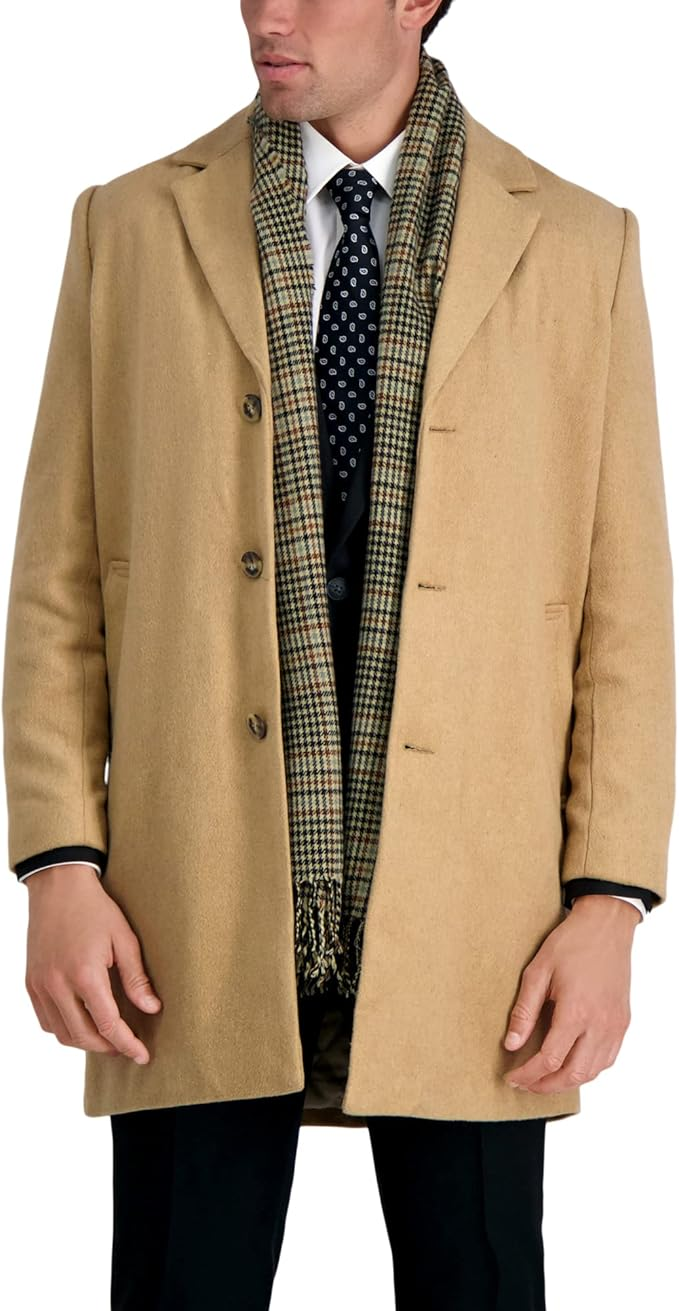
As the temperature drops, your style shouldn’t have to. A sophisticated winter dress coat is the cornerstone of a man’s cold-weather wardrobe, seamlessly blending form and function. Unlike a standard winter jacket, the best men’s winter dress coats offer unparalleled elegance, providing a sharp, polished silhouette while shielding you from the harsh elements. Whether you’re navigating city streets, heading to the office, or attending a formal event, the right overcoat, topcoat, or Chesterfield coat elevates any ensemble from ordinary to exceptional. This guide will navigate the key considerations—from insulation and fabric to fit and style—to help you invest in a timeless piece that you’ll rely on for winters to come.
Understanding Coat Styles: Overcoat vs. Topcoat vs. Chesterfield
The first step in choosing the best men’s winter dress coats is understanding the different styles. While the terms are often used interchangeably, there are subtle distinctions.
- Overcoat: This is a general term for a long, heavyweight coat designed to be worn over your suit or other clothing. It’s typically the warmest option, often extending below the knee, and is built to handle severe winter conditions.
- Topcoat: A topcoat is a slightly lighter and often shorter version of an overcoat. It’s a versatile choice for everyday wear in cold, but not frigid, weather. It’s perfect for achieving a sleek, modern look without excessive bulk.
- Chesterfield Coat: This is a specific, classic style characterized by its simple, straight fit, velvet collar (though modern versions may omit this), and single-breasted design with no visible buttons (a fly front). It is the epitome of timeless elegance and works beautifully for both business and formal occasions.
Key Features to Look For in a Quality Winter Dress Coat
When evaluating potential men’s dress coats, pay close attention to these critical features that determine quality, warmth, and longevity.
1. Fabric and Insulation: Your Shield from the Cold
The material is the most important factor for warmth.
- Wool and Wool Blends: Look for coats made from dense, tightly woven wools like Melton wool, which is wind-resistant and incredibly durable. Cashmere or camel hair blends offer superior softness and insulation with less weight, but they come at a higher price point.
- Technical Fabrics: Some modern coats incorporate technical fibers or thin synthetic linings for added water resistance and warmth without the bulk of a traditional wool coat.
- Lining: A quality lining, such as satin, cupro, or Thinsulate™, not only makes the coat easier to slip on but also adds an extra layer of insulation and comfort.
2. The Perfect Fit: Silhouette is Everything
A poorly fitting coat can ruin an otherwise sharp outfit. The best winter overcoats should fit comfortably over your suit jacket or thickest sweater without pulling at the shoulders or back.
- Shoulders: The seam should sit perfectly at the end of your shoulder bone.
- Sleeves: Coat sleeves should extend about half an inch to an inch beyond the sleeves of your suit jacket, allowing your shirt cuff to peek through.
- Length: A classic length falls at or just above the knee. Shorter topcoats may end mid-thigh. The coat should cover the suit jacket beneath it completely.
3. Key Design Elements and Details
Subtle details can significantly impact the coat’s overall style and functionality.
- Lapels: Notch lapels are standard and versatile. Peak lapels offer a more formal, powerful statement.
- Single-Breasted vs. Double-Breasted: Single-breasted coats are more common and easier to wear. Double-breasted coats provide a bolder, more traditional look and often offer better wind protection.
- Pockets and Vents: Functional pockets (flap or slit) are a must. Vents (center or side) improve mobility and help the coat drape better when you have your hands in your pockets.
How to Choose the Right Winter Dress Coat for Your Needs
Your lifestyle and local climate should guide your final decision.
- For Extreme Cold & Snow: Prioritize a heavyweight wool overcoat in a longer length. Look for features like a storm flap behind the zipper and a high collar for maximum protection.
- For City & Business Wear: A versatile topcoat in a mid-weight wool or wool-cashmere blend is ideal. Choose a classic color like charcoal, navy, or camel that pairs with everything in your professional wardrobe.
- For a Timeless Investment Piece: A single-breasted Chesterfield coat in a dark color is a sartorial heirloom. Its minimalist design ensures it never goes out of style.
A Guide to Color Choices for Men’s Dress Coats
Color is a powerful style tool. The best men’s winter dress coats come in a few essential hues.
- Charcoal Gray: The most versatile and modern choice. It hides dirt well and pairs effortlessly with both black and brown shoes.
- Navy Blue: A classic and sophisticated option that is slightly more distinctive than gray while remaining incredibly versatile.
- Camel/Tan: This color exudes luxury and pairs exceptionally well with navy, gray, and black suits. It makes a strong style statement.
- Black: The most formal choice, perfect for evening wear and creating a sharp, monochromatic look.
Final Verdict on Selecting Your Winter Dress Coat
Investing in one of the best men’s winter dress coats is a decision that pays dividends in style and comfort for years. Focus on finding a coat crafted from high-quality, warm fabric that fits you impeccably. Let your personal style and practical needs guide you toward the right silhouette—be it a robust overcoat, a versatile topcoat, or an elegant Chesterfield. By choosing a classic color and paying attention to the details, you will secure a cornerstone piece for your wardrobe that transcends seasonal trends and becomes a dependable companion through many winters to come.
Top Picks: The 6 Best Men’s Winter Dress Coats
To help you in your search, we have curated a selection of six highly-rated men’s winter dress coats available on Amazon. These picks cover a range of styles, budgets, and functional needs, from timeless luxury to modern, weather-ready performance.
1. The Classic Wool-Cashmere Topcoat
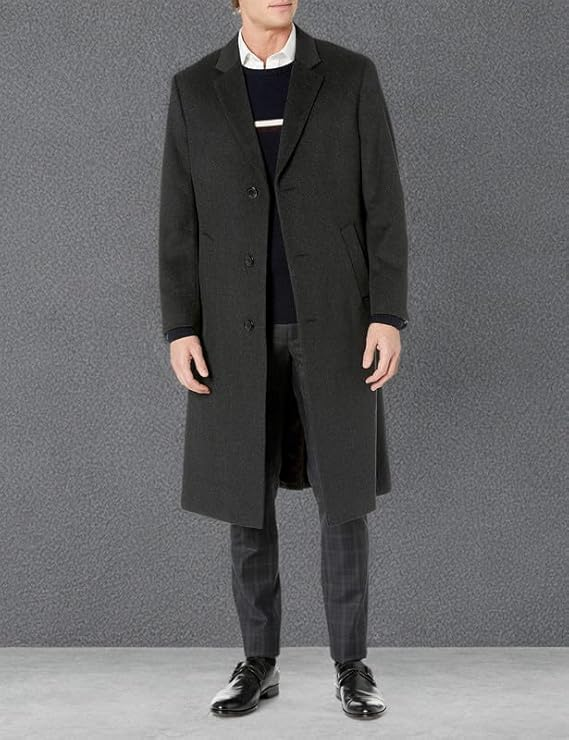
Product Description:
The Hawthorn Melton Wool-Cashmere Blend Topcoat is the epitome of timeless sophistication. Crafted from a robust Melton wool that is blended with a touch of cashmere, this coat offers a sublime softness and superior insulation without significant bulk. Its single-breasted design, notch lapels, and clean silhouette make it incredibly versatile, easily pairing with business suits or smart-casual attire. Available in essential colors like Charcoal and Navy, this topcoat is a foundational piece for any discerning gentleman’s winter wardrobe. It’s the perfect choice for those who value traditional craftsmanship and a flawless drape.
- Key Features:
- Fabric: Premium Melton wool blended with cashmere for warmth and softness.
- Fit: Regular fit designed to be worn over a suit jacket or blazer.
- Style: Single-breasted with notch lapels and a center vent.
- Details: Functional buttoned cuffs, multiple interior and exterior pockets.
- Length: Mid-thigh to knee-length for classic coverage.
- Pros:
- Exceptionally soft and comfortable against the skin.
- Timeless design that will remain stylish for years.
- High-quality construction and durable fabric.
- Provides excellent warmth for its weight.
- Cons:
- Higher price point than basic wool coats.
- Requires professional dry cleaning.
- Not waterproof, best for cold, dry days or urban environments.
- Recommendation:
Ideal for the man who sees his coat as a long-term investment in his style. If you work in a professional setting and want one versatile, elegant coat that transitions seamlessly from the office to evening events, the Hawthorn Topcoat is a premier choice.
2. The Modern Performance Overcoat
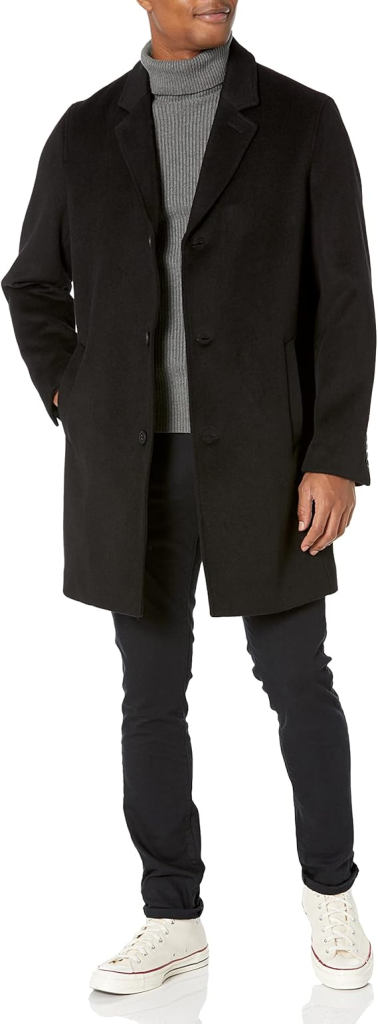
Product Description:
The Fortrade All-Weather Performance Overcoat is engineered for the modern man who faces unpredictable winter conditions. This coat utilizes a sophisticated technical shell that is water-resistant and windproof, keeping you dry and comfortable in sleet and snow. Despite its rugged performance, it features a sharp, minimalist design with clean lines and a comfortable, tailored fit that avoids the “puffy jacket” look. The insulated lining provides ample warmth, making it a workhorse coat for commuting, travel, and everyday wear in harsh climates.
- Key Features:
- Fabric: Technical blend with water-resistant and windproof finish.
- Insulation: Synthetic, lightweight thermal lining.
- Fit: Tailored fit that is sleek yet allows for layering.
- Style: Single-breasted with a hidden placket and notch lapels.
- Details: Zippered security pockets, high collar for storm protection.
- Pros:
- Outstanding protection against rain, snow, and wind.
- Modern, sleek aesthetic suitable for city wear.
- Durable and easy to care for; often machine-washable.
- Lightweight and surprisingly warm for its thickness.
- Cons:
- Lacks the traditional wool feel and drape of a classic coat.
- Can be less breathable than natural wool fabrics.
- Design may feel too modern for those seeking a vintage look.
- Recommendation:
Perfect for the active professional or city dweller who needs a coat that can handle anything Mother Nature throws at it without sacrificing style. If your priority is function paired with a contemporary look, this is your best bet.
3. The Budget-Friendly Essential
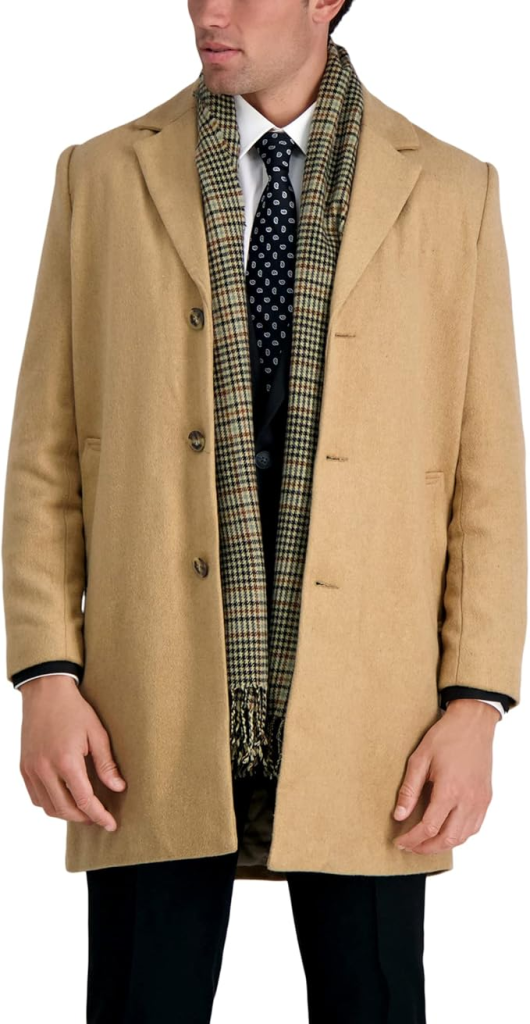
Product Description:
The Amazon Essentials Men’s Classic-Fit Long-Sleeve Wool-Blend Car Coat proves that you don’t need to spend a fortune to look sharp. This car coat features a versatile shorter length that is flattering on most body types and a relaxed classic fit for easy layering. The wool-blend fabric provides decent warmth and a presentable appearance for everyday winter duties. It’s an incredible value, offering a solid foundation for a young professional’s wardrobe or serving as a reliable, no-fuss option for anyone.
- Key Features:
- Fabric: Affordable wool-polyester-nylon blend for durability.
- Fit: Classic, relaxed fit for comfort.
- Style: Car coat design with a 6-button front and flap pockets.
- Details: Notch lapels, full lining, available in multiple common colors.
- Care: Often machine-washable for easy maintenance.
- Pros:
- Exceptional value for the price.
- Easy to care for and durable for daily wear.
- Comfortable, forgiving fit.
- Great starter coat or a practical spare.
- Cons:
- Wool blend is not as warm or soft as 100% wool or cashmere.
- Construction and details are less refined than premium coats.
- May not provide enough warmth for extremely cold climates.
- Recommendation:
An excellent choice for students, budget-conscious shoppers, or anyone needing a basic, reliable winter coat for casual and semi-formal occasions. It’s the best way to get the look without a significant financial commitment.
4. The Formal Chesterfield Coat
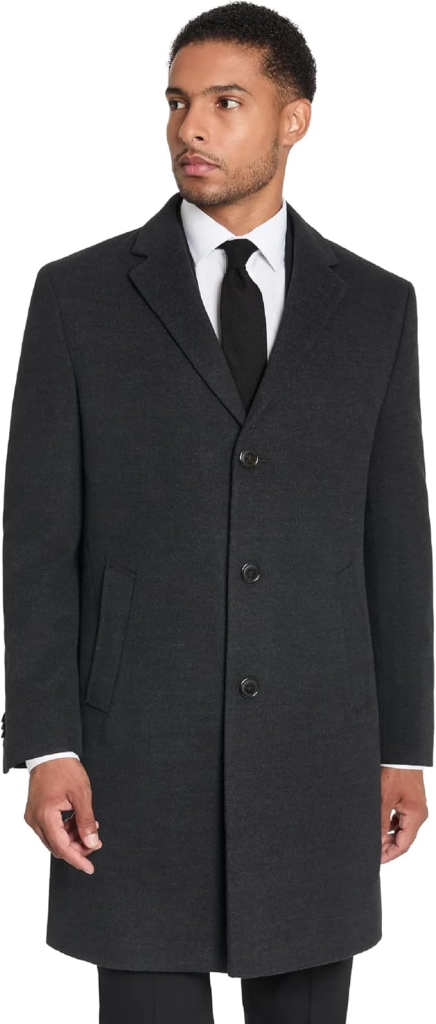
Product Description:
The James Barclay Wool Chesterfield Overcoat is a direct nod to sartorial history. Defined by its clean, straight lines and the signature velvet collar (on some models), this coat exudes authority and elegance. Crafted from a substantial worsted wool, it drapes beautifully and provides formidable warmth. Its minimalist design—often featuring a fly front (concealed buttons)—makes it the ultimate coat for black-tie optional events, important business meetings, and anyone who appreciates a truly formal and powerful aesthetic.
- Key Features:
- Fabric: High-quality, heavyweight worsted wool.
- Style: Definitive Chesterfield design, often with a velvet collar.
- Fit: Straight, tailored fit through the body.
- Details: Fly front with concealed buttons, single-breasted, jetted pockets.
- Length: Typically full-length, ending at or below the knee.
- Pros:
- The most formal and elegant option available.
- Superb wool fabric offers excellent structure and warmth.
- Timeless design that is truly an heirloom piece.
- Makes a powerful style statement.
- Cons:
- The most formal style, which can be too dressy for casual settings.
- Velvet collar may not be to everyone’s taste.
- Usually one of the more expensive styles.
- Recommendation:
This coat is for the purist who values tradition and formality. If you frequently attend formal events, work in a conservative industry, or simply want to own the most elegant coat in your closet, the Chesterfield is an uncompromising choice.
5. The Versatile Camel Hair Coat

Product Description:
For the style connoisseur, the Kensington Camel Hair Blend Overcoat offers a touch of luxury that is unmistakable. The natural tan color of the camel hair requires no dye, resulting in a rich, nuanced hue that pairs beautifully with almost any color in your wardrobe. This material is renowned for being lighter and warmer than sheep’s wool, providing exceptional insulation with a luxuriously soft hand-feel. Wearing this coat instantly elevates any outfit, from a navy suit to jeans and a sweater, projecting an air of refined confidence and taste.
- Key Features:
- Fabric: Luxurious blend of camel hair and wool.
- Color: Natural camel/tan color that is inherently versatile.
- Warmth: Provides more warmth per ounce than most wools.
- Style: Often a single-breasted overcoat with classic details.
- Feel: Uniquely soft and lightweight.
- Pros:
- Unmatched luxury and a distinct, sophisticated look.
- Incredibly warm yet lightweight and comfortable.
- The unique camel color is a classic style statement.
- Exceptional drape and feel.
- Cons:
- Commands a premium price.
- The light color can show dirt more easily than dark coats.
- Requires delicate care and professional cleaning.
- Recommendation:
Choose this coat if you are looking to make a significant style investment and already own a foundational navy or charcoal coat. It’s for the man who appreciates fine materials and wants a signature piece that stands out for its elegance and quality.
6. The Lightweight Insulated Parka-Coat Hybrid
Check price on Amazon
Product Description:
The North Cliff Insulated Long Coat successfully bridges the gap between a technical parka and a stylish dress coat. It features the longer length and cleaner lines of an overcoat but incorporates practical elements like a removable faux-fur trim on the hood, a heavy-duty zipper closure, and significant synthetic insulation. This is the ideal solution for men who live in very cold climates but still want to maintain a polished appearance. It provides the warmth of a winter parka with a much more sophisticated and urban silhouette.
- Key Features:
- Design: Hybrid design combining overcoat length with parka features.
- Insulation: High-gram synthetic insulation (e.g., Thinsulate™).
- Features: Attached or removable hood, often with faux-fur trim.
- Closure: Zipper and button storm flap for maximum weather protection.
- Pockets: Multiple large, often fleece-lined, pockets.
- Pros:
- The warmest option on this list, ideal for sub-freezing temperatures.
- Offers superior functionality with a hood and heavy-duty zippers.
- Maintains a smarter look than a bulky ski parka.
- Excellent for commuting in very cold, snowy regions.
- Cons:
- Can be bulkier than a traditional wool overcoat.
- The technical features may look out of place in a strictly formal setting.
- Style is more utilitarian than elegant.
- Recommendation:
This is the ultimate functional choice for surviving harsh winters in style. If you prioritize warmth and weather protection above all else but refuse to wear a puffy, sporty parka to the office or out to dinner, the parka-coat hybrid is your perfect match.
The Complete Guide to Washing and Caring for Your Winter Dress Coat
A high-quality men’s winter dress coat is an investment, and proper care is essential to maintain its appearance, shape, and longevity. Improper cleaning is the fastest way to ruin a beautiful garment. The golden rule is always: When in doubt, take it to a professional cleaner.
Step 1: Always Check the Care Label First
Before you do anything, locate the sewn-in care label, typically found on the inside seam. The symbols and instructions on this tag are your most reliable guide. The instructions below are general, but the care label is law.
Step 2: Identify Your Coat’s Fabric & Recommended Cleaning Method
The cleaning method is almost entirely determined by the coat’s fabric.
A. Professional Dry Cleaning (Recommended for Most Wool, Cashmere, and Blends)
This is the safest and most recommended method for the majority of high-quality men’s winter dress coats.
- When to Use: For coats made of wool, cashmere, camel hair, or any blend containing these fibers. Also for coats with structured shoulders, intricate linings, or any significant detailing.
- How to Do It:
- Point out any specific stains (like wine, salt, or grease) to the cleaner when you drop it off.
- For mud or light surface dirt, let it dry completely and then brush it off with a clothes brush before taking it in.
- Frequency: Only dry clean when necessary—typically at the end of the winter season before storage, or if visibly soiled. Over-cleaning can degrade natural fibers.
Cautions for Dry Cleaning:
- Choose a reputable cleaner experienced with fine woolens.
- Ensure they do not use harsh chemicals that can strip natural oils from the fibers, making them brittle.
B. Hand Washing (Proceed with Extreme Caution)
Hand washing is a risky option that should only be attempted for coats labeled “Hand Wash” and only if you are confident. It is generally not recommended for structured overcoats.
- When to Use: Only for coats that explicitly permit it, and even then, it’s a risk. Better suited for sweaters than structured coats.
- How to Do It:
- Fill a clean tub or large basin with cold water.
- Use a mild detergent specifically designed for wool or delicates. Do not use regular laundry detergent.
- Submerge the coat and gently agitate it with your hands. Do not wring, scrub, or twist the fabric.
- Soak for 10-15 minutes, then drain the soapy water.
- Refill the tub with cold water and rinse by gently pressing the water through the coat until it runs clear. This may take 3-4 rinses.
- To remove water, press the coat against the side of the tub. Never lift a soaking wet coat by its shoulders, as the weight of the water can stretch it irreparably. Roll it in a clean, dry towel to absorb more moisture.
Cautions for Hand Washing:
- Felting Risk: Agitating wool in water (especially warm water) causes the scales on the fibers to lock together, resulting in irreversible shrinkage and a felt-like texture.
- Color Bleeding: Dark colors may bleed.
- Loss of Shape: A wet coat is very heavy and can easily lose its shape.
C. Machine Washing (Rarely Recommended)
Only attempt this if the care label explicitly says “Machine Washable.” This is sometimes the case for some synthetic or wool-blend coats from brands like Amazon Essentials.
- When to Use: Only with a clear “Machine Washable” label.
- How to Do It:
- Use a front-loading washing machine (without an agitator). The central agitator in a top-loading machine is too harsh.
- Set the machine to the gentle or delicate cycle with cold water.
- Use a wool-safe detergent.
- Place the coat in a mesh laundry bag for extra protection.
- Wash the coat alone to prevent friction and pilling from other items.
Cautions for Machine Washing:
- Never use a dryer unless the tag explicitly says “Tumble Dry.” The heat and tumbling will certainly shrink wool and cashmere.
- The spin cycle can cause wrinkling and potential stretching.
Step 3: Drying Your Coat (The Most Critical Step)
How you dry your coat is just as important as how you wash it.
- The Only Safe Method: Air Drying Flat
- Lay the damp coat flat on a clean, dry towel on a large, breathable surface (like a mesh drying rack or a clean table).
- Gently reshape it to its original dimensions, smoothing out the lapels and ensuring the shoulders are aligned.
- Never hang a wet or damp coat to dry. The weight of the water will pull on the fibers, stretching the shoulders and body out of shape permanently.
- Allow it to air dry away from direct sunlight or heat sources (like a radiator), which can cause fading, shrinkage, and fiber damage.
- Turn the coat over periodically to ensure even drying.
Essential Caution & Maintenance Tips Between Cleanings
- Stain Treatment: For small spills, immediately blot (do not rub) the stain with a clean, damp cloth. For oil-based stains, a light dusting of cornstarch or talc can help absorb the oil before brushing it off. For anything else, leave it to the professionals.
- Salt Stains: Winter salt can be destructive. To remove dried salt marks, use a solution of equal parts white vinegar and water. Gently dab the area, then wipe with a clean, damp cloth. Let it dry completely before brushing.
- Storing Your Coat: Never store a coat in a plastic bag, as this traps moisture and can lead to mildew. Use a breathable garment bag. Before storage, ensure the coat is perfectly clean to prevent moth damage.
- Daily Care: Use a stiff clothes brush after each wear to remove surface dust, dirt, and lint. This preserves the fabric’s texture and reduces the need for frequent cleaning.
- Pilling: Small balls of fiber (pills) can form, especially in areas of friction like the sleeves. Use a fabric shaver or a pilling comb to gently remove them; do not pull them off.
Frequently Asked Questions (FAQs)
Q1: What is the difference between an overcoat and a topcoat?
An overcoat is generally longer, heavier, and designed for severe cold, often worn over a suit. A topcoat is a slightly lighter and shorter version, making it a more versatile choice for everyday wear in cool to cold weather. In modern usage, the terms are often used interchangeably, but the key distinction lies in the weight and formality.
Q2: What color men’s winter dress coat is the most versatile?
Charcoal gray is the most versatile and modern choice. It pairs effortlessly with both black and brown shoes and hides dirt well. Navy blue is a very close second, offering a classic, sophisticated look. For a first coat, stick to charcoal or navy.
Q3: How should a winter dress coat fit?
It should fit comfortably over your suit jacket or bulkiest sweater without feeling tight. Key points to check:
- Shoulders: The seam should sit right at the edge of your shoulder bone.
- Sleeves: The coat sleeve should end just above your thumb knuckle, allowing about half an inch to an inch of your shirt or suit sleeve to show.
- Length: A classic overcoat should cover your suit jacket and end at or just above the knee.
Q4: Can I wear a dress coat with jeans?
Absolutely. A dress coat can elevate a casual outfit. A charcoal or camel coat pairs beautifully with dark-wash jeans, a sweater or button-down shirt, and clean boots or sneakers. The contrast between formal and casual creates a sophisticated, modern look.
Q5: What is the warmest type of men’s dress coat?
For pure warmth, look for a heavyweight wool overcoat (like Melton wool) or a parka-coat hybrid with synthetic insulation (like Thinsulate). A longer length also provides more coverage and protection from the elements. Cashmere and camel hair also provide exceptional warmth for their weight.
Q6: How do I deal with pilling on my wool or cashmere coat?
Pilling (small balls of fiber) is normal, especially in areas of friction like the sleeves. It is not a sign of poor quality. Use a fabric shaver or a fine-tooth comb to gently remove the pills. Do not pull them off by hand, as this can damage the fibers.
Q7: Is a single-breasted or double-breasted coat more stylish?
This is a matter of personal preference. A single-breasted coat is more common, versatile, and easier to wear for most body types. A double-breasted coat makes a bolder, more formal and traditional style statement. For a first and primary coat, a single-breasted style is generally recommended.
Conclusion
Selecting the best men’s winter dress coats is a decision that merges practical necessity with personal style. It’s about finding a garment that does more than just keep you warm; it’s about an piece that builds confidence and completes your cold-weather wardrobe with intention and elegance.
From the timeless luxury of a wool-cashmere topcoat to the rugged functionality of a performance overcoat, the ideal choice is the one that aligns with your climate, lifestyle, and aesthetic. Remember to prioritize a impeccable fit above all else, as a well-proportioned coat is the foundation of a sharp silhouette. Invest in quality fabrics like wool, cashmere, or technical blends that promise durability and comfort. Finally, honor your investment through proper care—regular brushing, professional cleaning when needed, and correct storage.
A truly great winter dress coat is not a mere seasonal purchase. It is a loyal companion for countless winters to come, a timeless piece that transcends fleeting trends and consistently makes you look and feel your best, no matter how low the temperature drops.