
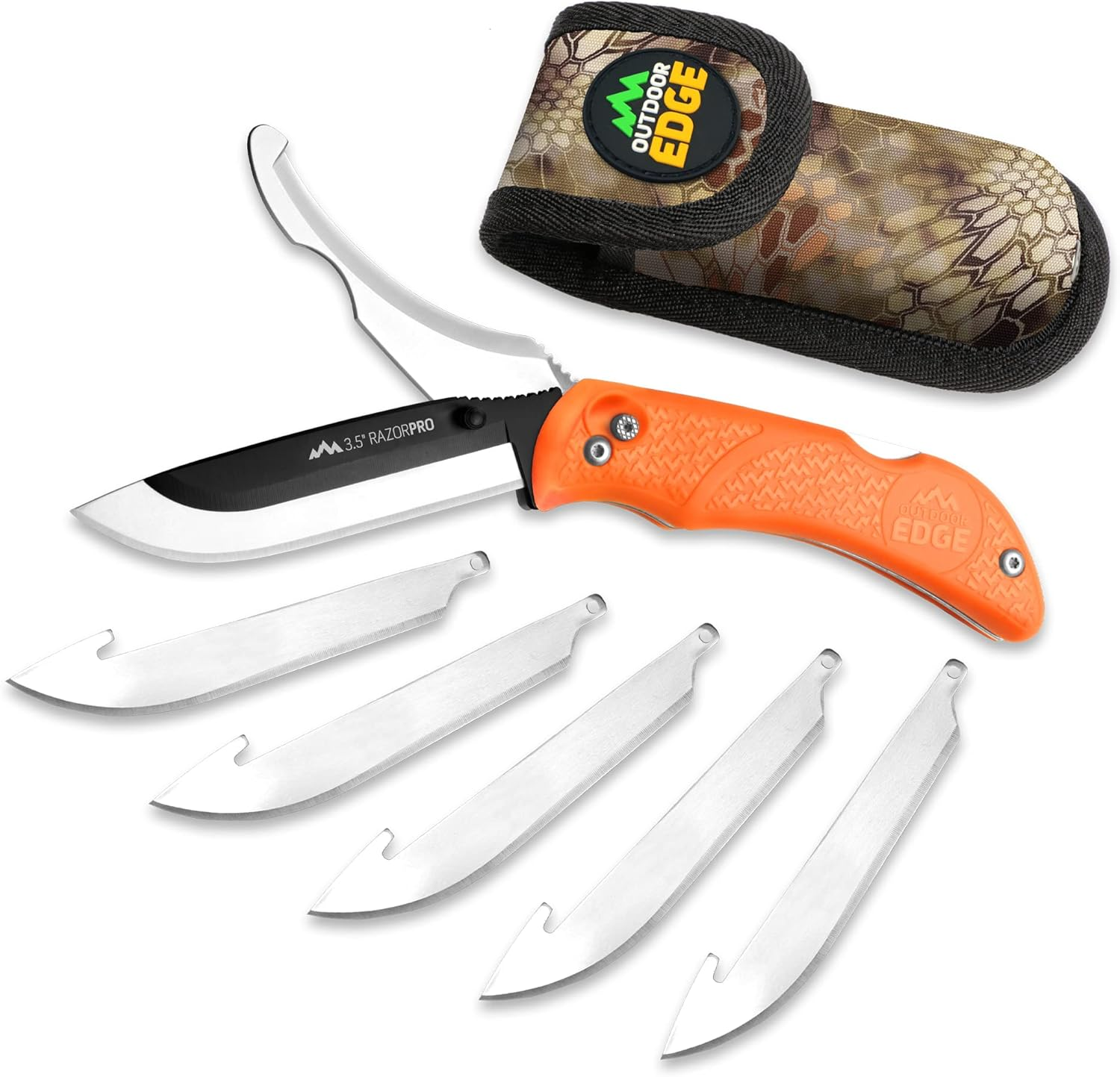
When you’re out on a hunt, having the best knife to field dress a deer isn’t just a convenience — it’s a necessity. The right field dressing knife makes the job quicker, cleaner, and safer, helping you process your deer with precision while minimizing damage to the meat. Whether you’re a first‑time hunter or a seasoned outdoorsman, choosing the best knife to field dress a deer requires understanding blade design, handle comfort, steel quality, and overall durability.
Field dressing is a skill that demands the right tools. A poor‑quality knife can slip, dull quickly, or cause unnecessary fatigue — all of which can turn a successful hunt into a frustrating experience. In this guide, we’ll walk you through exactly what to look for when choosing the best knife to field dress a deer, so you’re prepared for the task at hand with confidence and safety.
Why You Need the Best Knife to Field Dress a Deer
Field dressing a deer efficiently is about more than speed — it’s about:
- ✔ Maintaining meat quality by making precise, clean cuts
- ✔ Reducing fatigue and hand strain during the process
- ✔ Improving safety with a secure grip and reliable blade
- ✔ Handling different cutting tasks, from skinning to gutting
The best knife to field dress a deer will help you accomplish all of the above with ease, even in cold, wet, or rugged conditions.
How to Choose the Best Knife to Field Dress a Deer
Here’s what to look for when selecting a high‑quality field dressing knife.
1. Blade Type and Shape
The blade is the heart of any field dressing tool.
Common Blade Styles for Field Dressing:
- Drop Point: Great all‑around shape with a strong tip for skinning
- Clip Point: Sharp tip for precision work
- Trailing Point: Large curved blade area for clean cuts and skinning
- Gut Hook: Useful for safely opening the cavity without puncturing organs
For the best knife to field dress a deer, many hunters prefer a drop point or trailing point blade with a gut hook because they balance strength with control.
2. Steel Quality and Blade Performance
Blade material determines sharpness, edge retention, and corrosion resistance.
Popular Steel Types:
- 420HC Stainless: Affordable, holds edge reasonably well, easy to sharpen
- 440C Stainless: Higher corrosion resistance and durability
- S30V/S35VN: Premium steel with excellent edge retention
- Carbon Steel: Holds a keen edge but requires more maintenance
Look for a blade that stays sharp longer and resists rust, especially if you plan to use it in wet or cold conditions. The best knife to field dress a deer will have steel that balances durability, edge retention, and ease of repair.
3. Blade Length
Blade length matters for control and versatility.
- 3″–4″: Excellent for detailed tasks and controlled cuts
- 4″–5″: Ideal all‑purpose size for field dressing deer
- 5″+: More cutting power, but may be harder to maneuver in tight spaces
A 4″–5″ blade is typically ideal for the best knife to field dress a deer, offering a balance of reach and precision.
4. Handle Comfort and Grip
The handle should provide a secure grip even when wet or bloody.
Good materials include:
- Rubberized grip: Provides traction in slick conditions
- Textured polymer: Durable and grippy
- Micarta or G‑10: Comfortable and strong
Ergonomics matter — a comfortable handle reduces hand fatigue and makes field dressing less strenuous.
5. Safety Features
Safety cannot be overlooked.
Important features include:
- Finger guard or choil: Helps prevent slipping onto the blade
- Lanyard hole: Handy for retention in slippery conditions
- Gut Hook: Keeps the blade away from internal organs during the initial cut
The best knife to field dress a deer will be designed with safety in mind so you stay focused on the job.
6. Sheath Quality
A knife is only as good as its sheath.
Look for:
- Durable materials (nylon, Kydex, leather)
- Secure retention system
- Belt compatibility for easy carry during the hunt
A solid sheath protects your knife and makes it easy to access when you need it.
7. Weight and Portability
Field dressing can be physically demanding, so weight matters.
- Lightweight knives are less fatiguing on long hunts
- Full‑size blades are more versatile but slightly heavier
Balance portability with performance when choosing the best knife to field dress a deer.
8. Special Features
Some additional features can enhance field dressing:
✔ Gut hook — for clean cavity opening
✔ Serrated edge section — great for tough exterior cuts
✔ Multi‑function tools — add utility in the field
These features aren’t essential, but they can make the process smoother.
9. Ease of Sharpening
Even the best knife will dull over time.
- Choose blade steels that are easy to sharpen in the field
- Carry a compact sharpener during hunting trips
The best knife to field dress a deer should be easy to maintain, so you’re never stuck with a dull blade.
10. Budget and Value
Field knives are available at various price points:
- Budget: Good performance with basic features
- Mid‑Range: Balance of quality and durability
- Premium: Top‑tier steels and ergonomic design
Here are 6 top‑rated knives available on Amazon that are excellent choices when looking for the best knife to field dress a deer. Each selection includes detailed descriptions, key features, pros, cons, and a recommendation to help you find the right tool for your hunting needs.
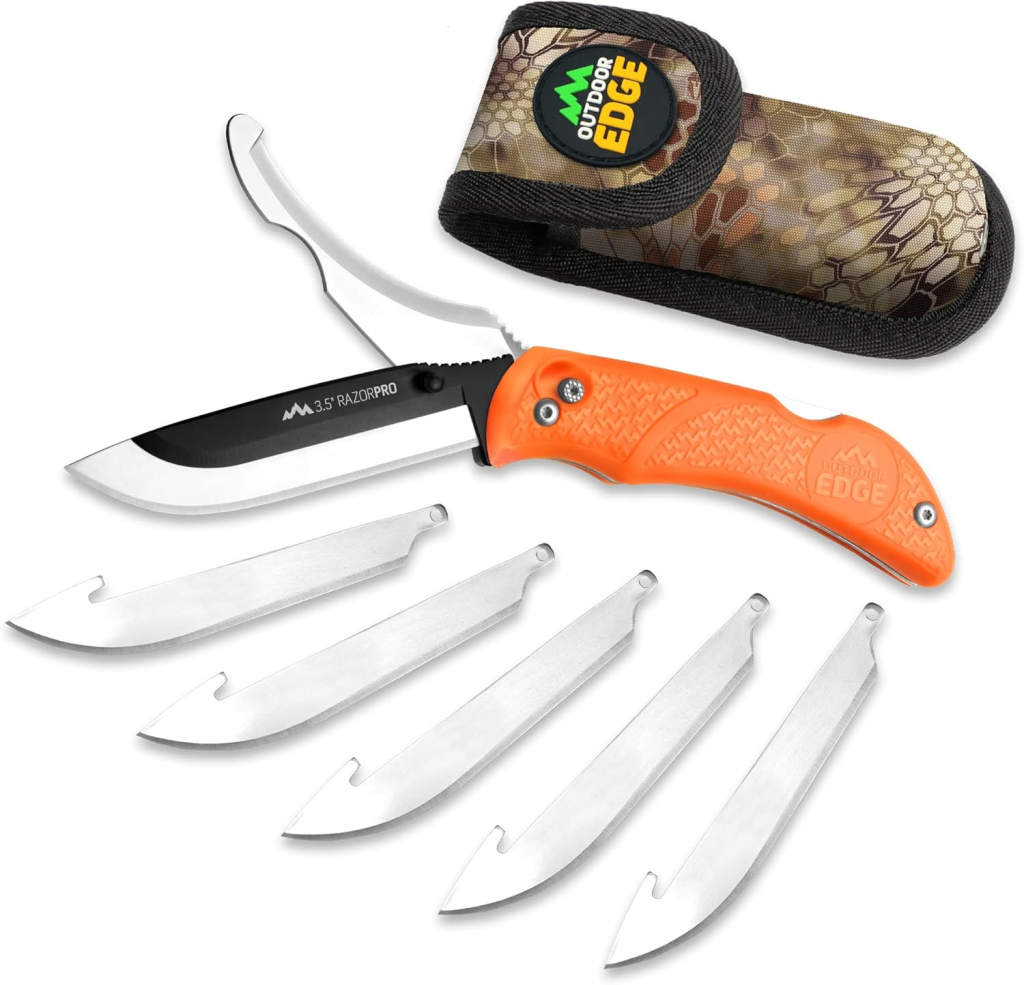
1. Outdoor Edge RazorPro Electric‑Powered Knife
🔪 Product Description
The Outdoor Edge RazorPro is a premium electric‑powered field dressing knife designed to make processing game faster, cleaner, and less strenuous. It features a powerful battery‑operated motor and removable stainless steel blades that retain sharpness and reduce manual effort. With its ergonomic handle and integrated blade guard, this tool offers comfort and control in the field, even during extended use on cold or wet days. Its quick‑change blade system simplifies swapping between straight and gut hooking blades, making it one of the most versatile and powerful options among the best knives to field dress a deer.
✨ Key Features
- Battery‑powered cutting action for effortless slicing
- Replaceable razor‑sharp stainless steel blades
- Gut hook blade included
- Comfortable ergonomic grip
- Integrated safety guard
👍 Pros
- Significantly reduces cutting effort
- Very fast and efficient trimming
- Excellent control and comfort
- Good for users with limited hand strength
👎 Cons
- Requires batteries (not always included)
- Slightly heavier than traditional knives
- More expensive than manual options
⭐ Recommendation: Best choice if you want speed and ease while field dressing, especially during long sessions or colder conditions.
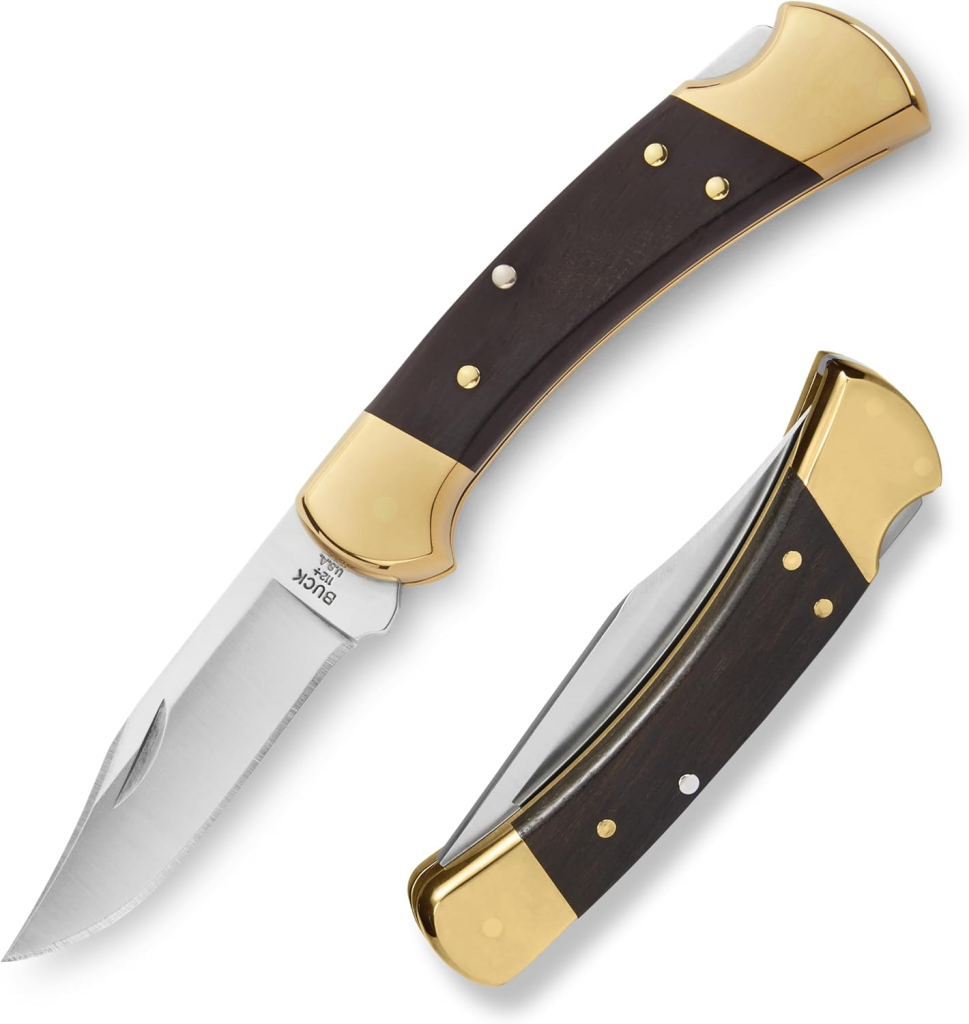
2. Buck Knives 113 Ranger Fixed Blade Knife
🔪 Product Description
The Buck Ranger 113 is a classic field dressing knife known for its reliability and rugged construction. Its fixed‑blade design eliminates moving parts and delivers strength where it counts most. Crafted from durable stainless steel with a full tang extending through the handle, this knife excels at precision cuts, skinning, and gutting. The contoured handle offers comfort and grip during heavy use, making it a trusted companion for hunters seeking one of the best knives to field dress a deer that will last for years.
✨ Key Features
- Full‑tang stainless steel blade
- 3.875″ clip point blade ideal for cuts
- Textured ergonomic handle
- Protective sheath included
👍 Pros
- Excellent edge retention
- Strong and durable construction
- Easy to sharpen in the field
- Simple, dependable design
👎 Cons
- No gut hook (requires separate tool)
- Heavier than lightweight folding knives
⭐ Recommendation: A superb all‑around manual knife for hunters who prefer durable, dependable performance without bells and whistles.
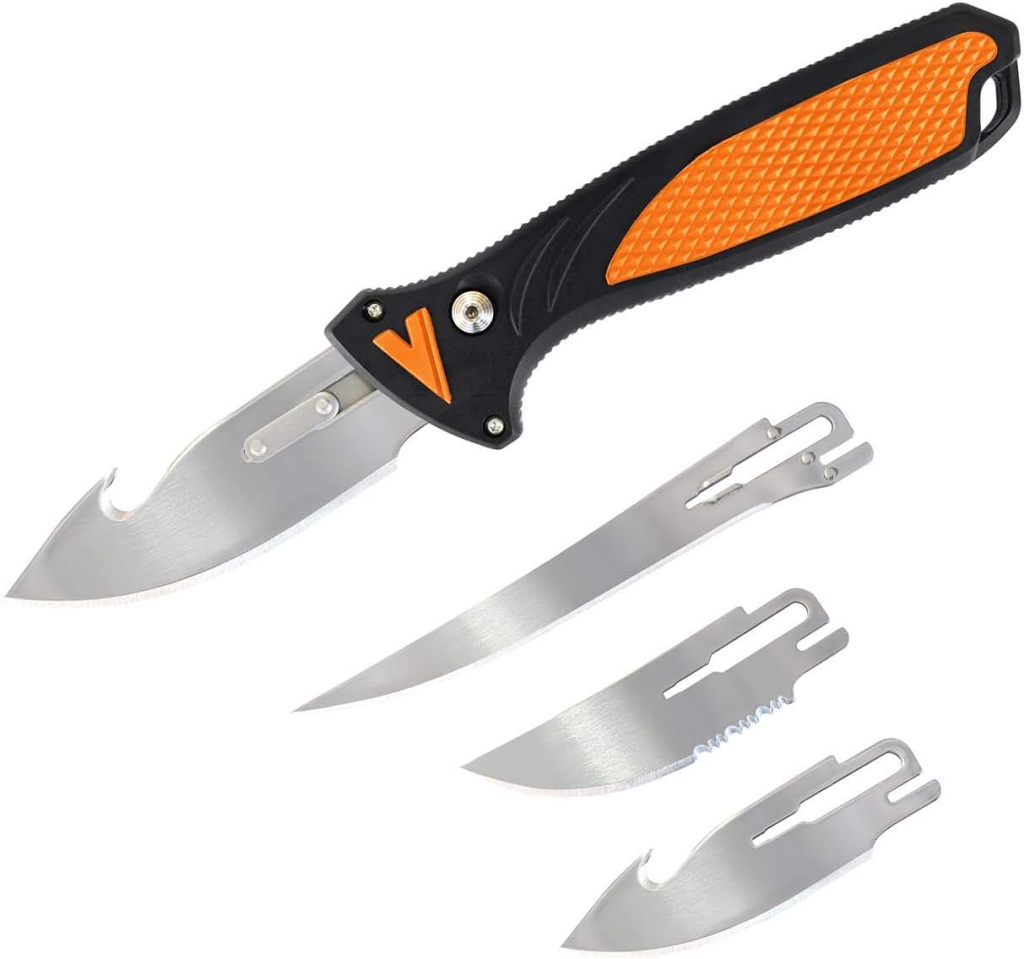
3. Havalon Piranta Z Folding Skinning Knife
🔪 Product Description
The Havalon Piranta Z stands out with its razor‑sharp replaceable blades and precision skinning capability. Its lightweight folding design makes it easy to carry in a pocket or pack, while the quick‑change blades let you swap dull or damaged edges in seconds. The ultra‑sharp surgical‑grade blades excel at fine cuts, skinning delicate areas, and making cavity openings with minimal force — ideal for anyone seeking the best knife to field dress a deer with maximum control and edge sharpness.
✨ Key Features
- Lightweight folding design
- Replaceable blades (multiple blades included)
- Extremely sharp surgical‑grade edge
- Comfortable ergonomic handle
👍 Pros
- Blades stay sharp longer
- Compact and pocket‑friendly
- Great for detailed cuts and skinning
- Easy blade replacement
👎 Cons
- Blades can be brittle if misused
- More replacement costs over time
- Requires careful handling due to sharpness
⭐ Recommendation: Best for hunters who want precision and ultra‑sharp edges in a portable knife.
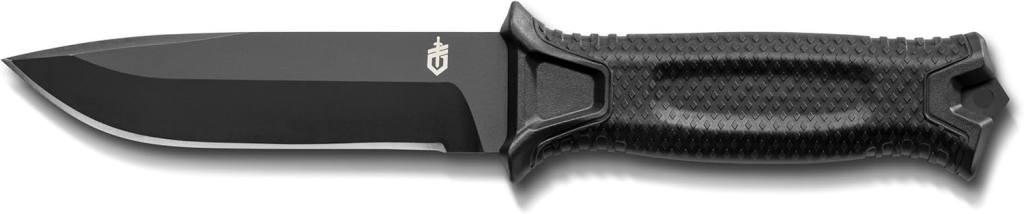
4. Gerber StrongArm Fixed Blade Knife
🔪 Product Description
The Gerber StrongArm is built for rugged outdoor use, combining strength and versatility. With a full‑tang, 420HC steel blade and ceramic coating, it resists corrosion and holds its edge throughout demanding tasks. The handle provides a secure grip in all weather conditions, and the sheath system allows multiple carry options. Its balanced weight and solid build make it one of the best knives to field dress a deer for hunters who prioritize durability and reliability.
✨ Key Features
- Full‑tang 420HC stainless steel blade
- Ceramic coating for corrosion resistance
- Multi‑position sheath carry options
- Textured rubberized grip for secure handling
👍 Pros
- Extremely durable
- Reliable in extreme conditions
- Secure grip even when wet
- Strong cutting performance
👎 Cons
- Blade not as sharp out of the box as premium steels
- Slightly heavier feel
⭐ Recommendation: Excellent choice if you need a tough, dependable knife that performs well across multiple outdoor tasks.
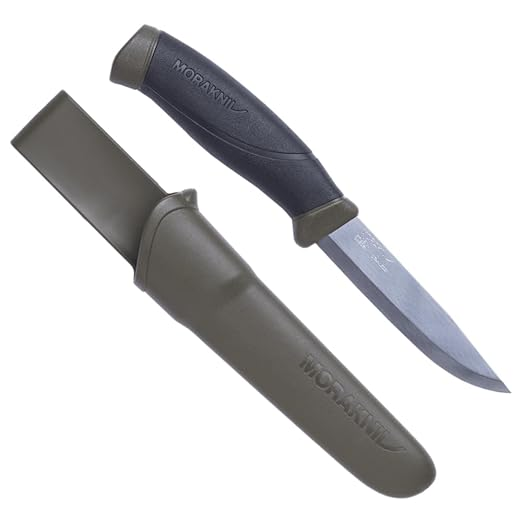
5. Morakniv Companion Fixed Blade Outdoor Knife
🔪 Product Description
The Morakniv Companion is a trusted budget‑friendly field knife with surprisingly high performance. Its high‑quality stainless steel blade offers good edge retention and precise control for skinning and basic field dressing tasks. The ergonomic grip ensures comfort even through extended use. Lightweight and reliable, this knife represents outstanding performance for the price — perfect for hunters who want one of the best knives to field dress a deer without spending too much.
✨ Key Features
- Stainless steel blade with good edge retention
- Comfortable, non‑slip handle
- Lightweight and easy to carry
- Affordable price point
👍 Pros
- Great value for money
- Excellent handling and control
- Works well for most field dressing tasks
- Very beginner‑friendly
👎 Cons
- Blade steel not as premium as higher‑end options
- Not ideal for heavy splitting or tough cutting
⭐ Recommendation: Best value pick — a solid, straightforward field dressing knife for most hunters.
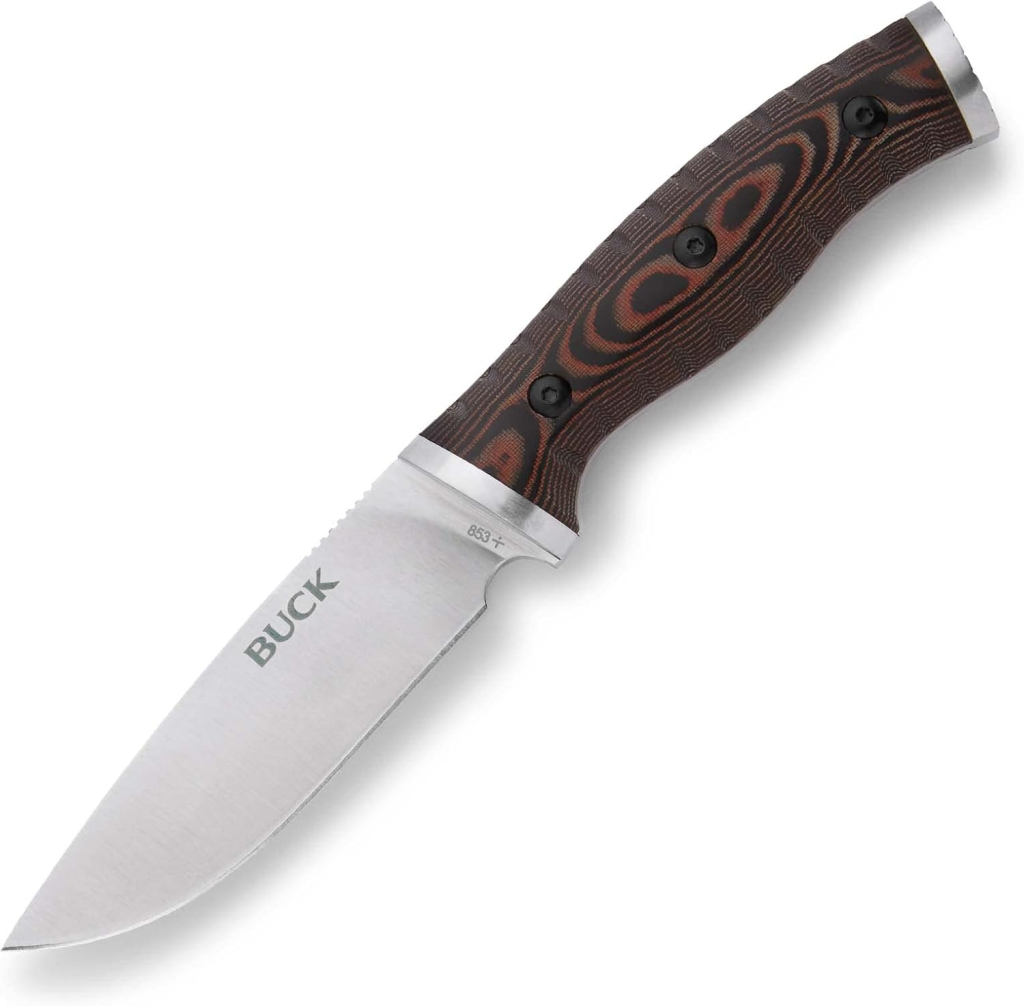
6. Buck Knives Selkirk Skinner Knife
🔪 Product Description
The Buck Selkirk Skinner is purpose‑built for skinning and field dressing with its wide, curved blade and superior slicing capability. The high‑carbon stainless steel blade allows for smooth cuts that protect meat and ease peeling away hides. The textured handle offers excellent grip in wet conditions, making it a great choice when precision and efficiency matter most. This model ranks among the best knives to field dress a deer for hunters who want top‑tier skinning performance with comfortable ergonomics.
✨ Key Features
- High‑carbon stainless steel skinning blade
- Textured ergonomic handle
- Protective sheath included
- Balanced, easy‑to‑control blade shape
👍 Pros
- Outstanding skinning performance
- Comfortable and secure grip
- Excellent slicing capabilities
- High‑quality steel
👎 Cons
- Less versatile for tasks beyond skinning
- Higher price point than basic knives
⭐ Recommendation: Best choice if your priority is precision skinning and smooth meat processing.
🏆 Final Recommendation Table
| Knife | Best For | Blade Type | Ease of Use | Overall |
|---|---|---|---|---|
| Outdoor Edge RazorPro | Speed & Effortless Dressing | Electric | ⭐⭐⭐⭐⭐ | ⭐⭐⭐⭐ |
| Buck 113 Ranger | Classic Field Dressing | Fixed Clip | ⭐⭐⭐⭐ | ⭐⭐⭐⭐ |
| Havalon Piranta Z | Ultra‑Sharp Precision | Replaceable | ⭐⭐⭐⭐⭐ | ⭐⭐⭐⭐ |
| Gerber StrongArm | Rugged All‑Around | Full‑Tang | ⭐⭐⭐⭐ | ⭐⭐⭐⭐ |
| Morakniv Companion | Value & Everyday | Fixed | ⭐⭐⭐⭐ | ⭐⭐⭐⭐ |
| Buck Selkirk Skinner | Superior Skinning | Fixed Curved | ⭐⭐⭐⭐ | ⭐⭐⭐⭐⭐ |
How to Clean and Care for the Best Knife to Field Dress a Deer
Proper cleaning and maintenance of your field dressing knife are essential to ensure safety, longevity, and performance. Field dressing exposes your knife to blood, tissue, and moisture, which can cause corrosion, dullness, and bacterial buildup if not properly cared for. Here’s a comprehensive guide on how to wash and maintain your best knife to field dress a deer, along with important cautions.
🧼 Step‑by‑Step: How to Wash Your Field Dressing Knife
1. Rinse Immediately After Use
- Rinse the blade with cold water as soon as you finish field dressing.
- Avoid hot water, which can cook blood and tissue, making it harder to clean.
- Remove all debris, including meat, fat, and entrails.
2. Use Mild Soap and a Soft Cloth or Brush
- Apply a mild dish soap to the blade.
- Gently scrub with a soft sponge, cloth, or brush to remove any remaining residue.
- Pay extra attention to gut hooks or serrated edges, as debris often gets trapped there.
3. Handle Considerations
- Clean the handle separately, especially if it is rubber, polymer, or wood.
- For wood handles, avoid soaking; just wipe clean and dry.
- Ensure all handle grooves are free of tissue or dirt to prevent bacteria buildup.
4. Rinse and Dry Thoroughly
- Rinse the blade and handle with cold water to remove all soap.
- Dry immediately with a clean towel, including the spine and gut hook areas.
- Moisture left on the blade can lead to rust and corrosion, especially on high‑carbon steel knives.
5. Optional: Disinfecting
- Wipe the blade with a light solution of water and rubbing alcohol or a specialized knife disinfectant.
- This is particularly recommended if you store the knife in a sheath for extended periods.
6. Oil or Protect the Blade (for Carbon Steel or Premium Knives)
- Apply a thin coat of food-safe mineral oil to prevent rust.
- Stainless steel knives can also benefit from light oiling if stored long-term in humid conditions.
⚠ Important Cautions
- Avoid Dishwashers – Heat, harsh detergents, and movement can warp or damage the blade and handle.
- Never Soak Wood Handles – Prolonged water exposure can cause splitting, swelling, or cracking.
- Beware of Cutting Yourself – Always wipe away from your body, especially around gut hooks or serrated sections.
- Inspect for Damage – After cleaning, check for chips, cracks, or dull spots before storing.
- Keep Away From Children – Always store knives safely in sheaths or a locked area.
- Sharpen Regularly – A dull knife is more dangerous than a sharp one. Use a sharpening stone or guided system to maintain the edge.
🧵 Knife Care Tips for Longevity
- Always store in a dry sheath; avoid leaving knives in damp conditions.
- Clean immediately after each hunt to prevent staining and rust.
- Use separate cloths or brushes for cleaning the blade versus the handle to avoid cross-contamination.
- Regularly sharpen and oil the knife to maintain performance.
FAQs About the Best Knife to Field Dress a Deer
Here are the most common questions hunters ask about choosing, using, and maintaining the best knife to field dress a deer.
1. What type of knife is best for field dressing a deer?
- Drop point or trailing point blades with a gut hook are ideal.
- Fixed‑blade knives offer strength and durability.
- Folding knives with replaceable surgical-grade blades are excellent for portability and precision.
The best knife to field dress a deer balances sharpness, control, and safety.
2. How long should the blade be?
- A 4–5 inch blade is generally optimal — long enough to make clean cuts but short enough for control.
- Shorter blades offer precision in tight areas, while longer blades are better for larger cuts.
3. How do I keep the knife sharp in the field?
- Carry a compact sharpening stone or rod.
- Avoid cutting bone or other hard materials that dull the edge.
- Regularly maintain the blade between hunts for peak performance.
4. Should I choose stainless steel or carbon steel?
- Stainless steel is corrosion-resistant and low-maintenance — ideal for wet conditions.
- Carbon steel holds a sharper edge longer but requires oiling to prevent rust.
- Choose based on how much maintenance you’re willing to perform and the climate you hunt in.
5. How do I clean the knife after field dressing?
- Rinse with cold water immediately to remove blood and tissue.
- Use mild soap and a soft cloth or brush.
- Dry thoroughly, then apply a thin coat of food-safe mineral oil if carbon steel.
- Avoid soaking, dishwashers, or harsh chemicals.
6. Are gut hooks necessary?
- Gut hooks help open the deer cavity without puncturing organs, which preserves meat quality.
- They are not strictly necessary but increase safety and efficiency, especially for new hunters.
7. Can I use the knife for other outdoor tasks?
- Many knives, like the Gerber StrongArm or Buck Ranger, are versatile enough for cutting rope, trimming branches, or other camping tasks.
- However, knives designed specifically for field dressing often have curved blades and gut hooks optimized for processing game.
Conclusion: Why the Best Knife to Field Dress a Deer Matters
A high-quality knife is one of the most important tools a hunter can own. The best knife to field dress a deer saves time, preserves meat quality, reduces hand fatigue, and ensures safety throughout the process.
When selecting the perfect knife, consider:
- Blade type and length for control and precision
- Steel quality for sharpness and corrosion resistance
- Handle comfort for extended use in wet or cold conditions
- Additional features like gut hooks or replaceable blades
With proper maintenance — washing immediately after use, drying, oiling when necessary, and sharpening — your field dressing knife will remain reliable for years. Investing in a well-designed, ergonomic knife ensures that every hunt is efficient, safe, and professional, making the field dressing process smoother and more effective.