
Learning how to dress in Japan is more than just a fashion choice—it’s a cultural experience. Japan is a country that values etiquette, presentation, and subtlety, and clothing plays a major role in daily social interactions. Whether you are traveling for business, sightseeing, or living in Japan as an expat, understanding local dress norms can help you blend in, show respect, and feel confident in any setting.
When exploring how to dress in Japan, it’s essential to consider factors such as weather, location, occasion, and societal expectations. Unlike many Western countries, casual clothing in Japan often leans toward minimalism, neatness, and layering. Following Japanese style norms not only helps you avoid unwanted attention but also ensures comfort, practicality, and cultural sensitivity.
This comprehensive guide will explore how to dress in Japan for different seasons, genders, and occasions, as well as provide detailed tips on footwear, accessories, and local fashion trends. By the end, you’ll have all the knowledge you need to look stylish, respectful, and confident while in Japan.
How to Dress in Japan: Understanding Japanese Fashion Culture
1. Importance of Modesty and Clean Appearance
One of the key principles in how to dress in Japan is modesty. Japanese culture values neatness, subtlety, and professionalism, which is reflected in daily clothing choices. Loud colors, overly casual attire, or revealing outfits can draw unnecessary attention or be considered disrespectful, especially in formal settings.
Clean, well-pressed clothing, coordinated outfits, and neutral colors convey respect and attention to detail. This principle applies to both locals and visitors.
2. Emphasis on Layering and Seasonal Wear
Japanese fashion often involves layering, not only for style but also for practicality. Knowing how to dress in Japan requires understanding the climate and season:
- Spring (March–May): Mild temperatures, cherry blossom season. Light jackets, sweaters, and long-sleeve shirts are common. Layering allows for adaptation to fluctuating temperatures.
- Summer (June–August): Hot and humid. Breathable fabrics such as cotton and linen are ideal. Loose-fitting clothing is preferred to stay cool while maintaining modesty.
- Autumn (September–November): Mild to cool temperatures. Layered outfits, light jackets, and scarves are popular. Colors often shift toward earth tones and muted shades.
- Winter (December–February): Cold, sometimes snowy. Coats, wool sweaters, and insulated footwear are essential. Darker, more muted tones are common.
Understanding seasonal changes is a cornerstone of how to dress in Japan because it ensures both comfort and cultural appropriateness.
3. Importance of Footwear in Japanese Culture
In Japan, footwear carries cultural significance. Many homes, traditional restaurants, temples, and schools require shoes to be removed upon entry. Visitors must be prepared to follow this etiquette, which is a critical aspect of how to dress in Japan.
Key Footwear Tips:
- Slip-on shoes or shoes that are easy to remove are highly recommended.
- Clean and presentable shoes are important, as dirty footwear can be viewed as disrespectful.
- Comfortable walking shoes are essential for tourists exploring cities like Tokyo, Kyoto, and Osaka.
For winter, insulated boots are common, but they are usually removed indoors, so wear socks or thin layers to stay comfortable.
How to Dress in Japan: Gender-Specific Tips
1. How Women Should Dress in Japan
Casual and Streetwear
Japanese women favor a minimalist, chic style even in casual settings. For how to dress in Japan as a woman, consider:
- Layered outfits such as blouses with cardigans or jackets
- Midi or knee-length skirts
- Simple dresses with modest necklines
- Neutral colors like beige, navy, black, or pastels
- Comfortable yet stylish footwear, such as loafers, flats, or low heels
Avoid overly revealing clothing or bright, flashy colors when blending into local norms.
Business and Formal Attire
For women working in Japan or attending formal occasions:
- Tailored suits with pencil skirts or slacks
- Simple blouses with minimal accessories
- Closed-toe shoes or pumps
- Subtle makeup and tidy hairstyles
Japanese workplaces value professional and conservative dressing, so dressing modestly demonstrates respect and competence.
2. How Men Should Dress in Japan
Casual Wear
Men in Japan often favor a clean, fitted look. When learning how to dress in Japan, men should focus on:
- Slim-fit trousers or chinos
- Collared shirts, polo shirts, or sweaters
- Minimalist sneakers or casual loafers
- Layered outfits with jackets or cardigans
Casual Japanese fashion tends to be understated, avoiding loud logos and bright colors.
Business and Formal Attire
Japanese men in professional settings are expected to wear:
- Dark-colored suits (navy, gray, or black)
- White or light-colored dress shirts
- Conservative ties
- Polished dress shoes
Neat grooming and minimal accessories are highly valued. Being slightly overdressed is acceptable, as Japanese workplaces prioritize a professional image.
How to Dress in Japan: Tips for Tourists
1. Dressing for Sightseeing
Tourists exploring Japan should balance comfort and style. Consider the following tips:
- Lightweight, breathable clothing for summer
- Layered outfits in spring or autumn
- Comfortable walking shoes, as public transportation and walking are common
- A small backpack or crossbody bag for essentials
Tourists should also dress respectfully when visiting temples or shrines. Avoid shorts, tank tops, and sleeveless tops in sacred places.
2. Dressing for Hot and Humid Summer
Japanese summers are humid, making how to dress in Japan challenging. Choose:
- Light-colored clothing to reflect sunlight
- Loose, breathable fabrics such as cotton or linen
- Sun protection: hats, sunglasses, and light scarves
- Shoes that allow for walking and ventilation
Many Japanese cities offer air-conditioned public spaces, so having a lightweight jacket or sweater for indoor comfort is recommended.
3. Dressing for Cold Winters
Winter in Japan can be cold, especially in regions like Hokkaido or northern Honshu. Dress for warmth while maintaining a neat appearance:
- Wool coats or padded jackets
- Scarves, gloves, and hats
- Layered sweaters or shirts
- Warm socks and insulated footwear
Even in winter, Japanese fashion favors structured, neat layers rather than overly bulky clothing.
How to Dress in Japan: Business and Work Attire
1. Understanding Workplace Expectations
Business dress codes in Japan tend to be formal and conservative. Knowing how to dress in Japan for work can make a significant difference in building relationships and credibility.
Key Points:
- Dark suits for men, paired with ties
- Tailored suits or modest skirts/pants for women
- Conservative shoes and minimal jewelry
- Clean, polished appearance
Casual Fridays are not as widespread in Japan as in Western countries, so it’s best to err on the side of formality.
2. Business Casual for Modern Workplaces
Some modern startups and tech companies allow business casual attire. Men may wear collared shirts and chinos without ties, while women may opt for blouses and skirts or slacks. In all cases, neatness and subtlety are key.
3. Accessories and Details in Professional Settings
- Watches are appreciated for their functionality and subtle elegance
- Minimalist bags or briefcases for carrying documents
- Avoid loud patterns, flashy colors, or overly casual accessories
Attention to detail in clothing demonstrates professionalism and respect for colleagues.
How to Dress in Japan: Footwear and Socks Etiquette
Footwear etiquette is critical to how to dress in Japan, as many indoor spaces require shoe removal:
- Always wear clean socks or hosiery
- Slip-on shoes, loafers, or shoes with easy laces are practical
- Avoid overly worn shoes, as appearance is closely noticed
- Indoor slippers are often provided in accommodations, but wearing socks ensures hygiene and comfort
Footwear also affects comfort during long sightseeing days or business meetings.
How to Dress in Japan: Street Fashion and Trends
Japanese street fashion offers inspiration for those curious about contemporary style:
- Harajuku Style: Bold, colorful, and playful, often for younger crowds
- Minimalist Urban Fashion: Neutral colors, layering, and structured silhouettes
- Office Casual Trend: Blouses, cardigans, slacks, and sleek shoes for women; button-up shirts and chinos for men
Even if adopting trends, visitors should blend modesty with practicality, especially in public spaces.
How to Dress in Japan: Special Occasions and Festivals
Japan hosts numerous festivals and events where how to dress in Japan can be both cultural and stylish:
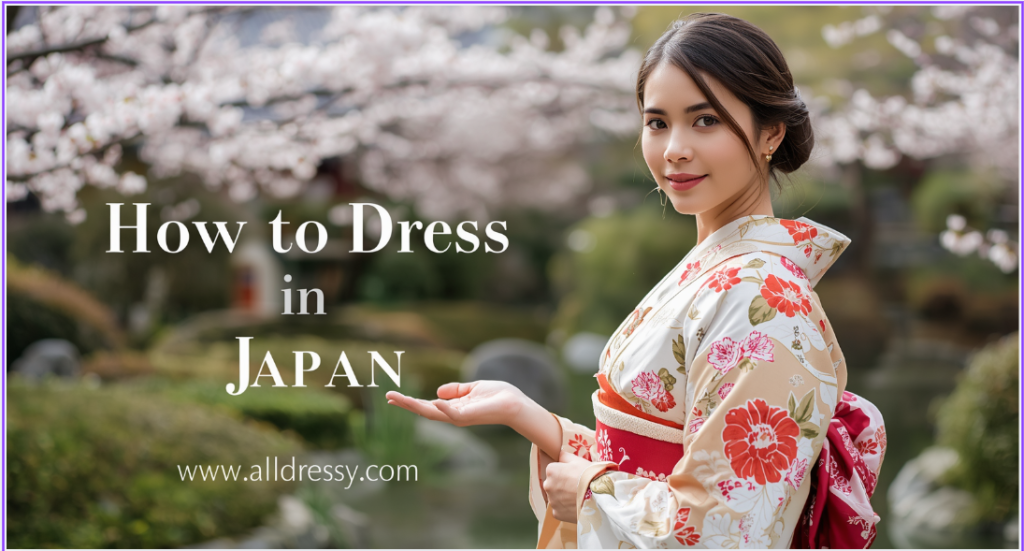
- Summer Festivals (Matsuri): Lightweight yukata (summer kimono) for tourists or attendees
- Cherry Blossom Viewing (Hanami): Layered, pastel-colored outfits
- Traditional Ceremonies: Conservative and respectful clothing, often matching the formal cultural expectations
Participating in festivals often provides opportunities to wear traditional Japanese clothing while maintaining proper etiquette.
How to Dress in Japan: Practical Travel Tips
- Carry a compact umbrella for rain, especially in the rainy season (June–July)
- Pack layers to adapt to sudden weather changes
- Keep outfits neutral to blend in with local norms
- Use comfortable shoes since walking is the primary mode of transport
- Pack a small bag for essentials when entering temples or indoor attractions
Following these tips ensures a smooth travel experience and aligns with cultural expectations.
How to Dress in Japan: Avoiding Common Mistakes
To master how to dress in Japan, avoid these common errors:
- Wearing overly bright or flashy clothing in public
- Ignoring shoe etiquette in homes and temples
- Choosing uncomfortable footwear for long walks
- Dressing too casually in formal or professional settings
- Wearing revealing clothing in temples or shrines
By paying attention to these details, visitors and expats can enjoy their stay while respecting local norms.
How to Dress in Japan: Packing Guide for Tourists
A well-prepared packing list simplifies how to dress in Japan:
- Neutral-colored tops and bottoms
- Light jackets for layering
- Comfortable walking shoes
- Scarves and hats for sun or cold protection
- Socks suitable for removing shoes indoors
- A formal outfit for business or special occasions
Packing thoughtfully ensures versatility, comfort, and adherence to cultural norms.
How to Dress in Japan: Cultural Sensitivity and Etiquette
Dressing appropriately is not just about fashion; it reflects cultural awareness:
- Avoid clothing that could be perceived as disrespectful
- Modesty is appreciated in public spaces
- Neutral, tidy clothing is preferred over flashy attire
- Observing local trends can enhance your experience and interactions
Following these guidelines demonstrates respect and helps build positive relationships with locals.
How to Dress in Japan: Street Style vs Everyday Practicality
While Japanese street fashion is famous worldwide, it’s important to balance style with practicality:
- Street styles are often worn by younger demographics and in urban areas
- Tourists should prioritize comfort and adaptability
- Minimalist urban fashion works well in most settings, combining practicality with aesthetic appeal
- Layering allows for quick adaptation to indoor and outdoor temperatures
This balance ensures you can explore Japan comfortably while still appearing culturally aware.
How to Dress in Japan: Seasonal Fashion Essentials
Spring Essentials
- Light jackets or cardigans
- Pastel-colored tops
- Comfortable sneakers or loafers
Summer Essentials
- Breathable cotton or linen clothing
- Sun hats and sunglasses
- Slip-on shoes for easy walking
Autumn Essentials
- Layered sweaters and blazers
- Neutral or warm-toned clothing
- Scarves and closed-toe shoes
Winter Essentials
- Wool coats and padded jackets
- Layered sweaters and thermal wear
- Insulated footwear
Proper seasonal attire ensures comfort, cultural alignment, and practicality throughout the year.
FAQs About How to Dress in Japan
1. What is the most appropriate way to dress in Japan?
The most appropriate way to dress in Japan is to prioritize neatness, modesty, and practicality. Neutral colors, clean and well-fitted clothing, and layering for seasonal changes are highly recommended. Dressing slightly more formally than the local context shows respect.
2. Can tourists wear casual clothes in Japan?
Yes, casual clothes are acceptable, especially in urban areas and tourist spots. However, avoid overly revealing outfits, bright flashy colors, or clothing that may be considered disrespectful in temples, shrines, or traditional settings.
3. How should women dress in Japan for everyday activities?
Women should opt for modest and comfortable outfits, such as layered tops, midi skirts, dresses, or tailored pants. Neutral tones, subtle patterns, and comfortable shoes are preferred for blending in with local fashion norms.
4. How should men dress in Japan for casual and professional settings?
For casual wear, men should choose slim-fit pants or chinos with collared shirts or lightweight sweaters. For professional settings, dark suits, white or light-colored shirts, ties, and polished shoes are standard. Clean grooming and minimal accessories are important.
5. What type of shoes are recommended in Japan?
Slip-on shoes, loafers, and clean sneakers are ideal for walking and easy removal indoors. Always wear clean socks, especially when visiting homes, temples, or traditional accommodations where shoes must be removed.
6. How should I dress for Japanese festivals?
For summer festivals, lightweight yukata (summer kimono) are popular. For cherry blossom viewing or other seasonal events, pastel colors, layered outfits, and comfortable shoes are recommended. Dressing respectfully in traditional contexts enhances your experience.
7. How can I adapt my clothing to Japan’s seasonal changes?
- Spring: Light jackets, cardigans, and layered tops
- Summer: Breathable cotton or linen clothing, sun protection
- Autumn: Sweaters, blazers, scarves, and warm tones
- Winter: Wool coats, insulated footwear, and layered sweaters
Layering is key to staying comfortable while maintaining a polished appearance.
8. Is bright or flashy clothing acceptable in Japan?
Bright or flashy clothing is generally discouraged in public spaces. Neutral tones, subtle patterns, and minimalist fashion are preferred to blend with local culture and avoid drawing unwanted attention.
9. How should I dress for business or work in Japan?
Men should wear dark suits, light-colored shirts, ties, and polished shoes. Women should choose tailored suits, modest skirts or pants, blouses, and closed-toe shoes. Minimal accessories and clean grooming are essential to project professionalism.
10. What are common mistakes to avoid when dressing in Japan?
- Wearing overly casual or revealing clothing in formal or sacred places
- Ignoring shoe removal etiquette
- Wearing uncomfortable shoes for long walks
- Choosing loud colors or patterns that stand out excessively
- Dressing without considering seasonal weather
Conclusion
Mastering how to dress in Japan is essential for tourists, business travelers, and expats. Clothing in Japan reflects cultural norms of modesty, neatness, and attention to detail, and dressing appropriately ensures comfort, respect, and confidence. By following local fashion practices, considering seasonal changes, and respecting footwear and cultural etiquette, you can seamlessly blend in while exploring cities, attending festivals, or working professionally.
From casual streetwear to professional business attire, understanding how to dress in Japan allows you to make a positive impression, enjoy cultural experiences, and feel confident in every setting. Thoughtful clothing choices are not only practical but also a sign of respect for Japanese traditions, making your stay more enjoyable and culturally enriching.