
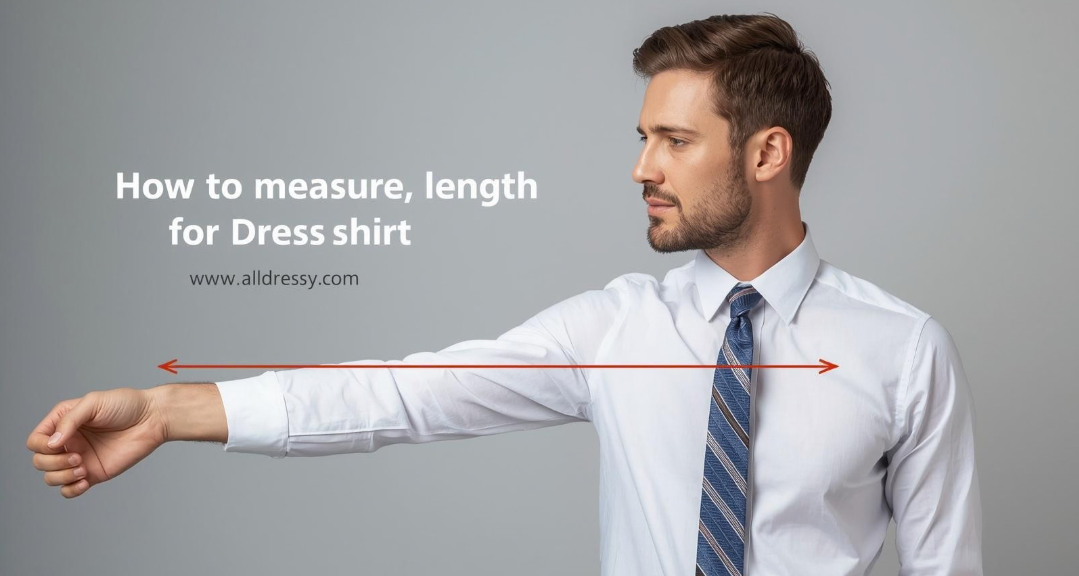
When buying a dress shirt—whether online, off the rack, or custom-made—accurate measurements are essential. One of the most important measurements is sleeve or arm length. Many people struggle with sleeve sizing, which leads them to search for how to measure arm length for dress shirt correctly. A shirt that fits perfectly in the shoulders and chest can still look awkward if the sleeves are too short or too long.
Understanding how to measure arm length for dress shirt ensures that the sleeves fall at the right place on your wrist, allowing your outfit to look polished and comfortable. Proper sleeve length is especially important for formal wear, business attire, and tailored clothing. When measured correctly, the cuff should reach the wrist bone and slightly show beyond the jacket sleeve for a refined appearance.
In this detailed guide, you will learn everything about how to measure arm length for dress shirt, including the correct tools, step-by-step measuring techniques, common mistakes, tailoring tips, and how sleeve measurements relate to shirt sizes. This comprehensive article provides more detailed insights than typical guides so you can confidently choose or order the perfect dress shirt.
Why Knowing How to Measure Arm Length for Dress Shirt Matters
Before diving into the measuring process, it’s important to understand why sleeve length is so critical. Dress shirts are designed to complement the natural posture and movement of your arms. When sleeve length is correct:
- Your cuff sits comfortably at the wrist bone.
- Your shirt looks balanced and proportional.
- Your jacket sleeves reveal a small portion of your shirt cuff.
- Arm movement feels natural without tightness or excess fabric.
Most shirt manufacturers measure sleeve length from the center back of the neck, across the shoulder, and down the arm to the wrist, not simply from shoulder to wrist.
This method accounts for shoulder width and body proportions, which explains why sleeve measurements on shirts sometimes appear longer than your actual arm length.
Tools Needed to Measure Arm Length for a Dress Shirt
Before you begin measuring, gather the following items:
Flexible Measuring Tape
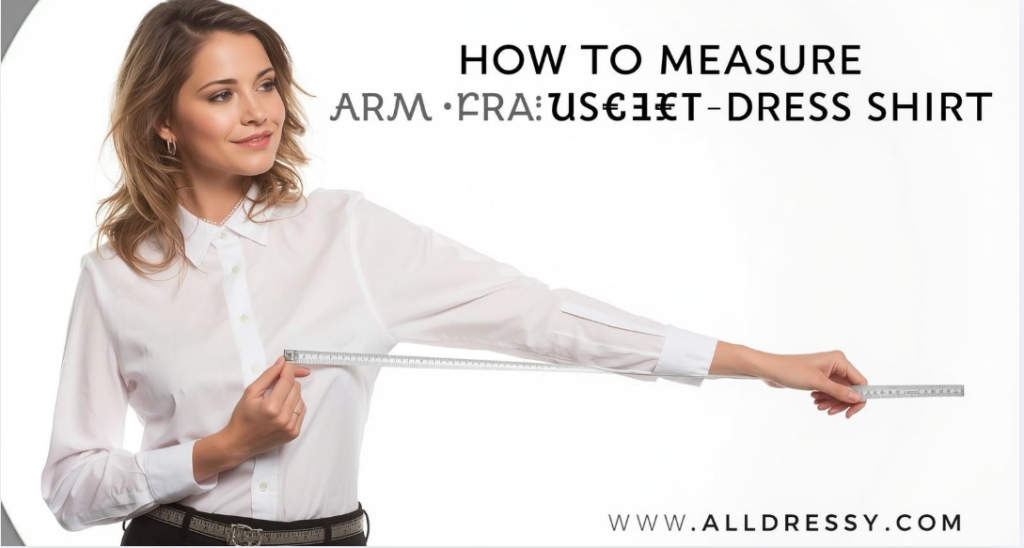
A tailor’s measuring tape works best because it bends along the contours of the body.
A Helper or Friend
Although you can measure alone, it is much easier and more accurate if someone helps hold the tape.
A Well-Fitting Shirt (Optional)
If you already own a dress shirt that fits perfectly, you can use it as a reference for measurement.
Mirror
A mirror helps confirm your posture and arm position while measuring.
Having the correct tools ensures your measurements are precise and consistent.
Understanding Sleeve Length vs Arm Length
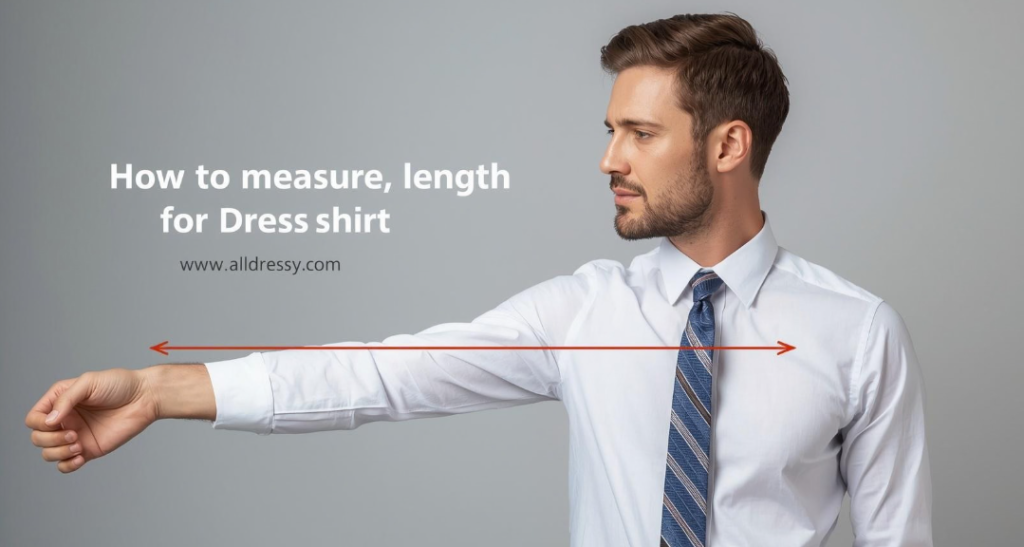
Many people confuse arm length with sleeve length. While they are related, they are not exactly the same.
Arm Length
Arm length is typically measured from the shoulder point down to the wrist.
Dress Shirt Sleeve Length
Dress shirt sleeve length usually includes an additional measurement across the upper back—from the center of the neck to the shoulder—before continuing down the arm to the wrist.
Because of this, dress shirt sleeve measurements tend to be longer than pure arm measurements.
Step-by-Step Guide: How to Measure Arm Length for Dress Shirt
The following method is widely used by tailors and clothing manufacturers to determine sleeve length accurately.
Step 1: Stand in a Natural Position
Stand straight with your arms relaxed at your sides. Your elbows should be slightly bent, not completely straight.
Measuring with slightly bent arms ensures the sleeve will not appear too short when you move your arms.
Avoid stretching your arm completely straight because it may result in sleeves that are too short when worn normally.
Step 2: Start at the Center Back of the Neck
Place the beginning of the measuring tape at the center of the back of your neck, just below the collar line.
This starting point is essential because dress shirt sleeves include the distance across the upper back.
The measuring tape should sit at the prominent bone at the base of your neck.
Step 3: Measure Across the Shoulder
From the center back of the neck, run the tape across the top of your shoulder to the shoulder edge where your arm begins.
The tape should follow the natural curve of the shoulder and lie flat against your body.
Step 4: Continue Down the Outside of the Arm
Next, guide the measuring tape down the outside of your arm toward your wrist.
Make sure the tape follows the contour of your arm and bends slightly at the elbow.
This step ensures that the measurement accounts for natural arm movement.
Step 5: End at the Wrist Bone
Stop the measurement at the wrist bone, which is where the shirt cuff should rest.
A properly fitted dress shirt sleeve usually ends right at the wrist joint or slightly below it.)
If the cuff extends too far over the hand, the sleeve is too long.
Typical Sleeve Length Measurements for Dress Shirts
Most dress shirt sleeve lengths fall within a specific range depending on body proportions.
Common sleeve length ranges include:
- 32 inches
- 33 inches
- 34 inches
- 35 inches
- 36 inches
- 37 inches
For most men, sleeve lengths typically fall between 32 and 37 inches.
However, people with longer arms or broader shoulders may require custom measurements.
Alternative Method: Measuring Using a Well-Fitting Shirt
Another easy way to determine sleeve length is by measuring a dress shirt that already fits well.
Follow these steps:
- Lay the shirt flat on a table.
- Button the cuffs and straighten the sleeves.
- Place the measuring tape at the center back below the collar.
- Measure across the shoulder seam.
- Continue down the sleeve to the end of the cuff.
This method helps replicate the exact sleeve length you prefer when ordering new shirts.
Understanding Dress Shirt Size Labels
Many dress shirts display two numbers on the label, such as 16 / 34-35.
These numbers represent:
- 16 – Neck size in inches
- 34-35 – Sleeve length range
Manufacturers sometimes use a range to accommodate slight variations in body proportions.
Knowing how to measure arm length for dress shirt helps you interpret these numbers correctly when shopping.
Common Mistakes When Measuring Arm Length for Dress Shirt
Even a small measuring error can result in poorly fitting sleeves. Here are common mistakes to avoid.
Measuring With Arms Fully Straight
Keeping your arms completely straight can produce a shorter measurement than needed.
Always maintain a slight bend in the elbow.
Starting From the Shoulder Instead of the Neck
Some people start measuring from the shoulder instead of the center back of the neck.
However, most shirt brands measure sleeve length from the neck across the shoulder.
Measuring to the Hand Instead of Wrist
Stopping the tape at the palm or knuckles will produce sleeves that are too long.
The correct endpoint is the wrist bone.
Measuring Without Assistance
Self-measuring can cause the tape to shift or lose alignment.
Having a helper hold the tape ensures better accuracy.
Tailoring Tips for Perfect Sleeve Fit
Even if your measurements are accurate, small adjustments may still be necessary.
Allow Extra Length
It is easier for a tailor to shorten sleeves than to lengthen them.
If you are between sizes, consider choosing the slightly longer option.
Consider Jacket Sleeve Length
For formal wear, about ½ inch of shirt cuff should show beyond the jacket sleeve.
This classic styling detail enhances the overall appearance.
Account for Fabric Shrinkage
Some fabrics shrink slightly after washing, so manufacturers sometimes include a small allowance.
Factors That Affect Sleeve Length
Several body features influence sleeve measurements.
Shoulder Width
Broad shoulders increase the total sleeve measurement because the tape must travel further across the back.
Arm Thickness
Muscular or larger arms may require additional sleeve width even if the length is correct.
Posture
Poor posture can slightly change how sleeves fall on your wrist.
Standing straight ensures accurate measurement.
Custom Dress Shirts vs Off-the-Rack Shirts
Understanding how to measure arm length for dress shirt becomes even more valuable when ordering custom clothing.
Off-the-Rack Shirts
Standard sleeve measurements are used, so you must choose the closest available size.
Custom Shirts
Tailors use your exact measurements to create a shirt specifically for your body proportions.
Custom shirts often provide the best fit and comfort.
Professional Tailor Measurement Technique
Tailors often follow a precise method that includes several points along the arm:
- Center back of neck
- Shoulder point
- Elbow bend
- Wrist bone
The tape runs smoothly across each point to capture the natural curve of the arm.
This approach produces highly accurate sleeve measurements.
Tips for Measuring Arm Length at Home
If you plan to measure yourself at home, follow these tips:
- Use a flexible measuring tape
- Wear a fitted shirt or t-shirt
- Keep your arm relaxed and slightly bent
- Ask someone to help with measurement
- Double-check the measurement for accuracy
Taking measurements more than once helps eliminate small errors.
How Sleeve Length Affects Overall Shirt Fit
Sleeve length influences both comfort and appearance.
Too Short
Short sleeves expose too much wrist and look unbalanced.
Too Long
Long sleeves bunch at the wrist and appear sloppy.
Perfect Length
The cuff sits neatly at the wrist and allows comfortable arm movement.
This balanced look is the goal when learning how to measure arm length for dress shirt.
Why Proper Sleeve Length Improves Your Style
A perfectly fitted dress shirt enhances your entire outfit. Proper sleeve measurements:
- Improve overall silhouette
- Create a professional appearance
- Increase comfort
- Allow better movement
Small details like sleeve length can significantly affect how polished your clothing looks.
Learning how to measure arm length for dress shirt ensures that your shirts fit properly and look tailored to your body. Accurate measurements make shopping easier, reduce returns when buying online, and help tailors produce shirts that match your body proportions perfectly.
FAQs About “How to Measure Arm Length for Dress Shirt”
1. What is the correct way to measure arm length for a dress shirt?
The correct way to measure arm length for a dress shirt is to start at the center back of the neck, measure across the shoulder, and continue down the outside of the arm to the wrist bone. The arm should be slightly bent while measuring to allow natural movement and ensure the sleeve is not too short.
2. Where should a dress shirt sleeve end?
A properly fitted dress shirt sleeve should end at the wrist bone. When wearing a suit jacket, about half an inch of the shirt cuff should be visible beyond the jacket sleeve for a polished and professional appearance.
3. Can I measure arm length for a dress shirt by myself?
Yes, you can measure arm length by yourself, but it is more accurate if someone helps you. A helper can hold the measuring tape straight along the shoulder and arm, ensuring the measurement follows the natural curve of the arm.
4. What tools do I need to measure arm length for a dress shirt?
You will need a flexible measuring tape, a mirror for posture checking, and ideally a helper. Some people also use a well-fitting dress shirt as a reference to measure sleeve length.
5. What is the average sleeve length for men’s dress shirts?
Most men’s dress shirt sleeve lengths fall between 32 and 37 inches. The exact measurement depends on shoulder width, arm length, and overall body proportions.
6. Can I measure sleeve length using a shirt I already own?
Yes. Lay the shirt flat on a table, measure from the center back of the collar across the shoulder seam, and continue down the sleeve to the end of the cuff. This method works well if the shirt already fits perfectly.
7. Why do dress shirt sleeve measurements start at the neck?
Dress shirt sleeve measurements start at the center back of the neck because this method includes shoulder width in the total sleeve measurement. This ensures the shirt fits properly across the back and arms.
8. What should I do if my sleeve measurement falls between sizes?
If your measurement falls between sizes, it is usually better to choose the slightly longer sleeve. Sleeves can easily be shortened by a tailor, but lengthening them is much more difficult.
Conclusion
Understanding how to measure arm length for dress shirt is essential for achieving the perfect shirt fit. Accurate sleeve measurements ensure your dress shirt looks sharp, feels comfortable, and complements your overall style. A well-measured sleeve should extend from the center back of the neck, across the shoulder, and down the arm to the wrist bone, allowing natural movement without appearing too short or too long.
Proper sleeve length also enhances your appearance when wearing suits or formal attire. A small portion of the shirt cuff showing beyond a jacket sleeve creates a classic, refined look that is widely recognized in professional and formal fashion.
By using a flexible measuring tape, maintaining proper posture, and following the step-by-step measuring process, you can determine the correct sleeve length for any dress shirt. Whether you are purchasing ready-made shirts or ordering custom tailoring, knowing how to measure arm length for dress shirt allows you to make better clothing choices and achieve a more polished, well-fitted wardrobe.