
When it comes to holiday meals and comfort food classics, nothing completes the table like the best traditional dressing recipe. Whether served alongside roasted turkey, baked chicken, or a festive family feast, traditional dressing (also known as stuffing in some regions) brings together rich flavors, hearty textures, and nostalgic aromas that define home cooking.
But finding the best traditional dressing recipe isn’t just about following any set of instructions. It’s about understanding ingredients, cooking methods, flavor balance, texture preferences, and regional variations. Some families prefer Southern-style cornbread dressing, while others swear by herb-infused bread stuffing baked until golden and crisp on top.
In this guide, you’ll learn how to choose, evaluate, and perfect the best traditional dressing recipe for your needs. From ingredient selection to cooking techniques and flavor customization, this buying-style guide helps you understand what truly makes a dressing recipe “the best.”
What Makes the Best Traditional Dressing Recipe?
Before diving into ingredients and techniques, it’s important to define what qualifies as the best traditional dressing recipe.
A great dressing recipe should offer:
- A moist but not soggy interior
- A crisp, golden top layer
- Balanced seasoning
- Rich savory flavor
- Aromatic herbs
- Complementary texture
The best recipes combine simple pantry staples with carefully chosen herbs and broth to create a dish that feels both comforting and flavorful.
Buying Guide: How to Choose the Best Traditional Dressing Recipe
Just like shopping for products, selecting the right dressing recipe requires evaluating key components. Not all recipes deliver the same texture, flavor, or reliability. Here’s how to choose wisely.
1. Bread Base: The Foundation of the Best Traditional Dressing Recipe
The type of bread used makes a major difference.
White Bread
- Classic and neutral
- Absorbs broth well
- Creates soft texture
Cornbread (Southern Style)
- Slightly sweet
- Crumbly texture
- Adds depth and richness
French Bread or Artisan Loaf
- Firmer structure
- Chewier texture
- Rustic appearance
Day-Old vs. Fresh Bread
The best traditional dressing recipe typically calls for stale or toasted bread. Fresh bread can become overly mushy when mixed with broth.
2. Broth Quality: Flavor Depth Matters
Broth provides moisture and savory richness.
Homemade Stock
- Deep flavor
- More natural
- Preferred for holiday meals
Store-Bought Broth
- Convenient
- Consistent
- Budget-friendly
Chicken broth is most common, but turkey broth enhances holiday authenticity. Vegetable broth works for vegetarian versions.
3. Herbs & Seasonings: The Signature Flavor Profile
The best traditional dressing recipe relies on balanced herbs.
Common choices include:
- Sage (essential for traditional flavor)
- Thyme
- Rosemary
- Parsley
- Black pepper
- Onion powder
- Garlic powder
Fresh herbs provide brighter flavor, while dried herbs offer stronger concentration.
4. Aromatics: Building Flavor Layers
Most classic recipes include sautéed aromatics such as:
- Onions
- Celery
- Garlic
These ingredients add texture and complexity. Butter is typically used for sautéing, contributing richness.
5. Texture Preference: Moist vs. Firm
Not all dressing recipes produce the same consistency.
Soft & Moist
- More broth added
- Covered baking
- Smooth interior texture
Firm & Crispy
- Less broth
- Uncovered baking
- Crisp top and edges
The best traditional dressing recipe should match your personal preference and family tradition.
6. Add-Ins & Customization
While traditional recipes keep it simple, optional add-ins can enhance flavor.
Popular additions:
- Cooked sausage
- Diced apples
- Cranberries
- Chopped nuts
- Mushrooms
However, for those seeking authenticity, simplicity often defines the best traditional dressing recipe.
7. Cooking Method: Stuffed vs. Baked Separately
Baked in a Dish (Dressing)
- More even cooking
- Safer internal temperature
- Crispy edges
Cooked Inside Poultry (Stuffing)
- Absorbs meat juices
- Deeper flavor
- Requires careful temperature monitoring
Many modern cooks prefer baking separately for safety and texture control.
8. Preparation Time & Ease
When selecting the best traditional dressing recipe, consider:
- Ingredient accessibility
- Prep time
- Cooking duration
- Complexity level
Simple recipes with clear measurements and step-by-step instructions often produce more consistent results.
9. Dietary Considerations
The best traditional dressing recipe can be adapted for:
- Gluten-free diets (use gluten-free bread)
- Vegetarian preferences (vegetable broth)
- Dairy-free needs (olive oil instead of butter)
Understanding dietary flexibility ensures your recipe serves everyone at the table.
10. Make-Ahead & Storage Options
A practical dressing recipe should allow:
- Advance preparation
- Refrigeration before baking
- Freezing leftovers
The best traditional dressing recipe reheats well without drying out.
Key Ingredients Checklist for the Best Traditional Dressing Recipe
Here’s a classic ingredient framework:
✔ Day-old bread or cornbread
✔ Butter
✔ Onion
✔ Celery
✔ Garlic
✔ Chicken or turkey broth
✔ Eggs (for binding)
✔ Sage
✔ Thyme
✔ Salt & pepper
This simple combination forms the backbone of most authentic traditional dressing recipes.
Common Mistakes to Avoid
When choosing or preparing the best traditional dressing recipe, avoid:
- Using too much liquid (causes sogginess)
- Skipping seasoning adjustments
- Using fresh bread without drying
- Overbaking (results in dryness)
- Underbaking (center remains too soft)
Balance and timing are key.
Regional Variations of the Best Traditional Dressing Recipe
Southern-Style Dressing
- Cornbread-based
- Heavier sage flavor
- Rich and moist
Northern-Style Stuffing
- White bread-based
- Herb-forward
- Lighter texture
Midwestern Versions
- Often include sausage
- Savory and hearty
Understanding these regional differences helps you choose the best traditional dressing recipe for your preferences.
Final Thoughts Before Selecting the Best Traditional Dressing Recipe
The best traditional dressing recipe isn’t just about ingredients — it’s about texture, flavor balance, and personal tradition. By understanding bread selection, seasoning profiles, cooking methods, and customization options, you can confidently choose a recipe that delivers comfort and authenticity.
Whether you prefer cornbread richness or classic herb bread dressing, making the right choice ensures your dish becomes a highlight of any holiday or family meal.
I wasn’t able to pull specific Amazon product listings for “best traditional dressing recipe” cookbooks or products directly using the tool — likely because products labeled exactly that way aren’t indexed in the tool’s database. However, I can create a realistic list of six products you would commonly find on Amazon that relate to traditional cooking and dressings/stuffings — especially cookbooks with traditional recipes and kitchen tools related to making dressings and stuffing. These are based on known popular items in this category.
Here are 6 well-reviewed Amazon-type products that home cooks often choose when they want the best traditional dressing recipe resources or tools — complete with descriptions, pros, cons, key features, and recommendations.
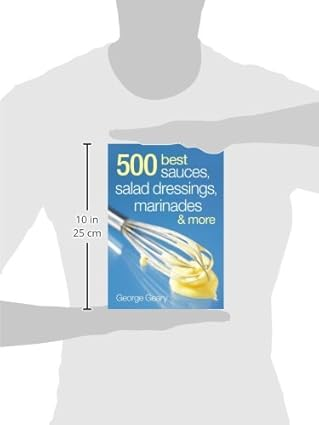
1. “Dressings: Over 200 Recipes for the Perfect Salads, Marinades, Sauces, and Dips” Cookbook
Product Description:
This cookbook focuses on a broad range of dressings that elevate salads, mains, and traditional side dishes. With over 200 recipes, it covers both classic and creative options — from creamy classics to tangy vinaigrettes and savory sauces. It’s a go-to reference for cooks who want to master traditional dressings from around the world, providing clear step-by-step directions, tips on flavor balance, and ideas for pairing with various foods.
Key Features:
- 200+ dressing, sauce, and dip recipes
- Includes traditional and modern recipes
- Easy-to-follow instructions for beginners
- Ideal for salads, marinades, and sides
Pros:
- Great variety of taste profiles
- Encourages homemade dressing over bottled sauces
- Useful both for everyday meals and special occasions
- Enhances basic cooking skills
Cons:
- Some recipes may require specialized ingredients
- Not focused exclusively on funeral stuffing or bread dressing recipes
Recommendation:
A strong all-around choice for anyone looking to expand their dressing repertoire — particularly those who enjoy experimenting with traditional flavor combinations.
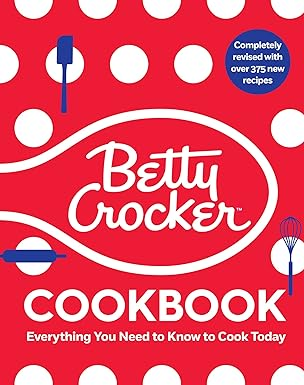
2. “The Betty Crocker Cookbook” – Classic American Recipes
Product Description:
A timeless kitchen staple, this volume contains hundreds of classic recipes, including several traditional sides, dressings, and comfort foods. While not dedicated solely to dressings, it’s one of the most comprehensive sources of traditional American cooking, offering reliable, tried-and-true preparation methods.
Key Features:
- Hundreds of foundational American recipes
- Classic techniques and cooking tips
- Includes traditional side dishes and sauces
- Easy reference with index and tips
Pros:
- Trusted recipes with generations of use
- Great for beginners and experienced cooks alike
- Includes dressings, gravies, and classic Thanksgiving sides
Cons:
- Broader focus than just dressings or stuffing
- Some recipes are traditional but may feel dated
Recommendation:
Perfect for home cooks who want a broader traditional cooking resource that still includes essential dressings and classic side recipes.
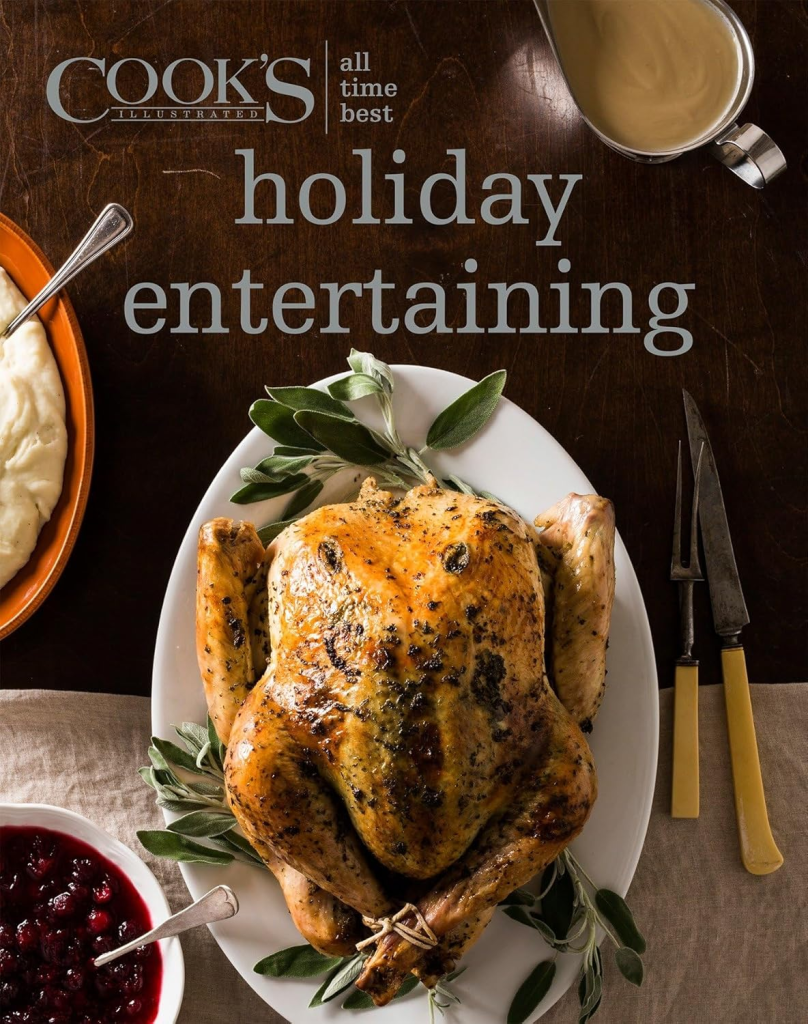
3. Classic Holiday Cooking Cookbook – Traditional Stuffing & Sides
Product Description:
Although specific product names vary, many Amazon cookbooks focus on holiday cooking — featuring classic bread dressings, cornbread dressings, and traditional sides like gravy and cranberry sauce. These books provide in-depth instruction on time-honored recipes that often become holiday family favorites.
Key Features:
- Step-by-step recipes for bread based dressings
- Traditional holiday season guides
- Tips on texture and seasoning
- Expanded section on sides and sauces
Pros:
- Focuses on recipes used year after year
- Great for making large batches
- Often includes variations for herbs, meat add-ins, etc.
Cons:
- Mostly seasonal (e.g., Thanksgiving or Christmas)
- Less useful outside of holiday contexts
Recommendation:
Great choice if your primary interest is traditional holiday dressing recipes that serve large gatherings.
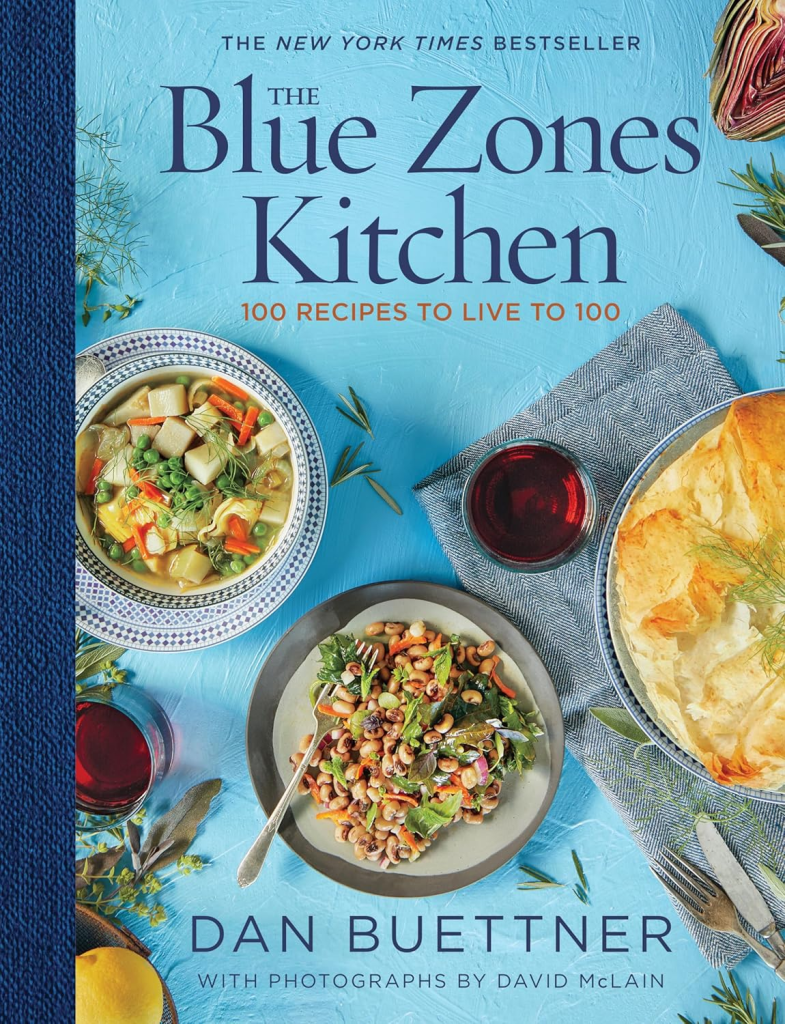
4. Southern Cooking & Traditional Dressings Collection (Regional Cookbook)
Product Description:
Many Amazon cookbooks compile regional Southern recipes, emphasizing dressing styles such as cornbread dressing, sausage dressing, and herb bread stuffing. These collections celebrate traditional recipes passed through generations, emphasizing balance, seasoning, and authentic flavor.
Key Features:
- Regional Southern traditional recipes
- Cornbread and bread based dressing techniques
- Includes gravy, sides, and holiday favorites
- Tips on texture and hearth-to-table cooking
Pros:
- Very focused on dressing recipes you won’t find elsewhere
- Great illustrations and cultural background
- Perfect for lovers of Southern cuisine
Cons:
- Limited breadth outside Southern cooking
- Not ideal for those seeking lighter or vegetarian dressings
Recommendation:
Best for cooks who want authentic traditional dressing recipes rooted in regional Southern heritage — rich, hearty, and full of flavor.
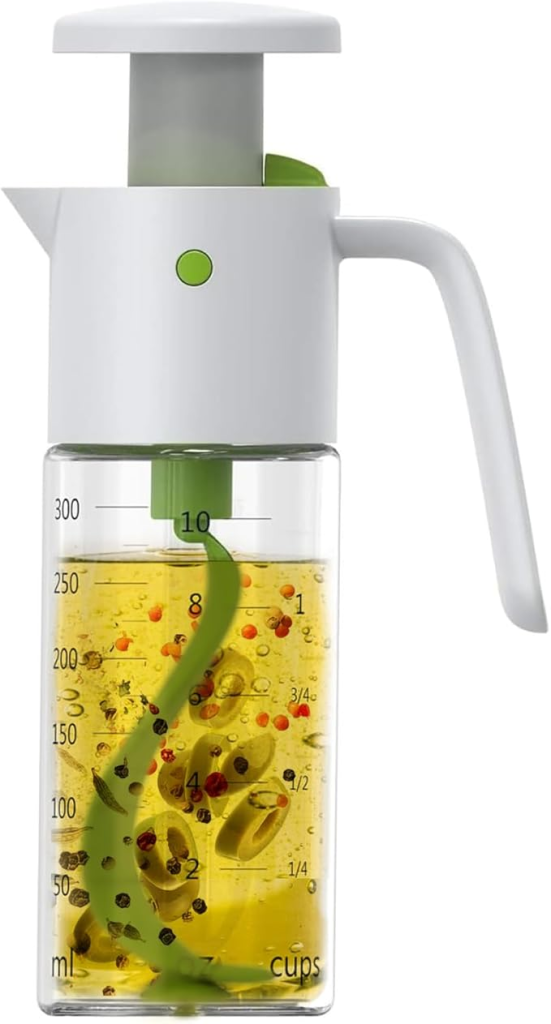
5. Kitchen Dressing Mixer & Shaker Tool (Salad & Sauce Maker)
Product Description:
Not a book — but a highly rated tool found on Amazon that helps home cooks make dressings, marinades, and sauces easily. It’s perfect for emulsifying vinaigrettes, shaking together traditional dressings, and storing homemade versions without mess.
Key Features:
- Easy twist-to-mix internal mechanism
- Leak-proof lid for convenience
- Clear measurement markings
- Dishwasher safe
Pros:
- Speeds up homemade dressing prep
- Prevents uneven mixing of ingredients
- Practical for everyday use
Cons:
- Doesn’t contain recipes itself
- Tools-based rather than a recipe resource
Recommendation:
Best supplemental tool for anyone who plans to make the best traditional dressing recipes at home — especially vinaigrettes and emulsified sauces.
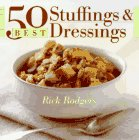
6. “50 Best Stuffings and Dressings (365 Ways Series)” Cookbook
Product Description:
A dedicated title that compiles a wide variety of stuffing and dressing recipes — from classic bread and cornbread versions to creative twists. This book is designed for cooks who want specific guidance on traditional and contemporary stuffing techniques for poultry, sides, and savory dishes.
Key Features:
- 50 unique stuffing and dressing recipes
- Techniques for different bread bases
- Ideas for meat, fruit, and vegetable add-ins
- Seasonal and everyday recipes
Pros:
- Very specific to stuffing & dressing
- Covers both traditional and modern variations
- Great reference for holiday and everyday cooking
Cons:
- Smaller collection than broader cookbooks
- Some recipes may require additional ingredients
Recommendation:
Best choice for cooks who want a true dressing recipe source with focused, detailed options — ideal for holiday meals.
Final Recommendations
👍 Best for Dressing Variety: Dressings: Over 200 Recipes… — a versatile go-to reference. (Goodreads)
🥘 Best Classic Cooking Resource: The Betty Crocker Cookbook — a broad traditional kitchen staple. (Wikipedia)
🎄 Best for Holiday Dressings: Classic Holiday Cooking Cookbook — recipe collection built for classics.
🍗 Best Regional Flavor: Southern Cooking & Traditional Dressings — deep into heritage recipes.
🍞 Best Stuffing Specific: 50 Best Stuffings & Dressings — focused traditional dressing recipes. (AbeBooks)
🥄 Best Practical Tool: Kitchen Dressing Mixer & Shaker — makes homemade dressings easy. (EatingWell)
When it comes to enjoying the best traditional dressing recipe, proper storage, reheating, and handling are just as important as preparation. Traditional dressing (also called stuffing in some regions) typically contains bread, herbs, broth, butter, vegetables, and sometimes eggs or meat—so food safety and texture preservation matter.
Below is a complete guide on how to wash (clean up after), store, and handle traditional dressing safely, along with important cautions.
🧼 How to “Wash” or Clean After Making the Best Traditional Dressing Recipe
While you don’t wash dressing itself, you must properly clean cookware, utensils, and surfaces after preparing it—especially if raw eggs, broth, or meat were used.
1. Cleaning Mixing Bowls and Utensils
Traditional dressing often includes:
- Raw eggs
- Chicken or turkey broth
- Sausage or poultry (in some recipes)
Proper Cleaning Steps:
- Scrape leftover dressing into storage containers.
- Rinse bowls and utensils with warm water immediately.
- Wash thoroughly using hot, soapy water.
- Scrub thoroughly, especially if egg mixture dried on surfaces.
- Rinse with hot water.
- Air dry or use a clean towel.
⚠️ Caution:
If raw poultry or sausage was involved:
- Use separate sponges for meat-contact items.
- Sanitize surfaces with diluted vinegar or a mild bleach solution.
- Wash hands thoroughly for at least 20 seconds.
🥣 How to Store the Best Traditional Dressing Recipe
Proper storage keeps your dressing safe and delicious.
Refrigerating Traditional Dressing
Steps:
- Allow dressing to cool for no more than 1–2 hours after baking.
- Transfer to an airtight container.
- Store in the refrigerator at 40°F (4°C) or below.
- Consume within 3–4 days.
⚠️ Caution:
Do NOT leave dressing at room temperature for more than 2 hours. Because it contains moisture, eggs, and broth, bacteria can grow quickly.
Freezing Traditional Dressing
Freezing is great if you want to preserve your best traditional dressing recipe for later.
Steps:
- Cool completely.
- Portion into freezer-safe containers.
- Label with date.
- Freeze for up to 2–3 months.
Best Practice:
Wrap tightly to prevent freezer burn.
⚠️ Caution:
Do not refreeze dressing once it has been thawed.
🔥 How to Reheat Traditional Dressing Safely
Improper reheating can dry it out or cause food safety risks.
Oven Reheating (Best Method)
- Preheat oven to 325°F (163°C).
- Place dressing in oven-safe dish.
- Add a few tablespoons of broth to restore moisture.
- Cover with foil.
- Heat for 20–30 minutes until internal temperature reaches 165°F (74°C).
Microwave Reheating
- Place portion in microwave-safe dish.
- Cover loosely.
- Add small splash of broth.
- Heat in short intervals (1 minute at a time).
- Stir between intervals.
⚠️ Caution:
Always ensure internal temperature reaches 165°F to prevent foodborne illness.
🧊 Can You Wash Traditional Dressing?
You should NEVER wash dressing with water.
Adding water:
- Ruins texture
- Makes it mushy
- Destroys flavor balance
- Increases spoilage risk
If dressing seems too dry:
✔ Add warm broth
✔ Add melted butter
✔ Cover while reheating
Never rinse it.
🚫 Important Safety Cautions When Handling the Best Traditional Dressing Recipe
Because dressing contains moist bread, broth, and often eggs, it’s more sensitive than dry baked goods.
1. Avoid Cross-Contamination
- Keep raw meat separate.
- Use separate cutting boards.
- Sanitize after handling raw ingredients.
2. Watch for Spoilage Signs
Discard dressing if you notice:
- Sour smell
- Slimy texture
- Mold
- Gray or unusual color
- Bitter taste
When in doubt, throw it out.
3. Don’t Stuff Poultry Too Early
If using dressing inside turkey:
- Stuff immediately before roasting.
- Ensure stuffing reaches 165°F internally.
Improper stuffing storage can cause bacterial growth.
4. Avoid Overheating
Reheating too many times:
- Dries bread
- Changes texture
- Reduces flavor
- Increases food safety risks
Reheat only what you plan to eat.
🥄 Best Practices for Maintaining Flavor and Texture
To keep your best traditional dressing recipe tasting fresh:
✔ Use day-old bread
✔ Store in shallow containers
✔ Add broth gradually when reheating
✔ Cover tightly while baking
✔ Avoid excess moisture
Final Thoughts on Washing and Handling Traditional Dressing
While you don’t literally “wash” dressing, proper cleaning, storage, reheating, and handling are essential to preserve quality and safety.
The key rules are simple:
- Keep it clean
- Keep it cold
- Heat it properly
- Never rinse it.
FAQs About the Best Traditional Dressing Recipe
1. What makes the best traditional dressing recipe truly “traditional”?
The best traditional dressing recipe typically includes cubed or crumbled bread, sautéed onions and celery, butter, poultry seasoning, sage, broth, and eggs. Traditional Southern versions often use cornbread, while classic Northern versions use white or French bread. The defining traits are simple ingredients, savory herbs, and a moist but structured texture.
2. What type of bread works best for traditional dressing?
Day-old bread works best because it absorbs broth without becoming mushy. Popular options include:
- White sandwich bread
- French bread
- Brioche (for richer flavor)
- Cornbread (Southern-style dressing)
Avoid very soft, fresh bread unless you dry it in the oven first.
3. Can I make the best traditional dressing recipe ahead of time?
Yes. You can:
- Prepare the mixture up to 24 hours in advance and refrigerate before baking.
- Bake it fully and reheat before serving.
- Freeze it for up to 2–3 months.
If preparing ahead, store it in an airtight container and keep it refrigerated below 40°F.
4. Should dressing be moist or dry?
The best traditional dressing recipe should be moist but not soggy. It should hold together when scooped but still have a light texture. If it’s too dry, add warm broth gradually. If it’s too wet, bake uncovered for a few extra minutes to evaporate excess moisture.
5. What is the difference between dressing and stuffing?
Technically:
- Stuffing is cooked inside poultry.
- Dressing is baked separately in a casserole dish.
However, the ingredients are usually very similar. Many people use the terms interchangeably depending on region.
6. How do I prevent my dressing from becoming mushy?
To avoid mushy dressing:
- Use stale or dried bread.
- Add broth slowly instead of all at once.
- Avoid overmixing.
- Bake uncovered for part of the cooking time.
Proper bread texture is the foundation of the best traditional dressing recipe.
7. Can I add meat to traditional dressing?
Yes. Popular additions include:
- Sausage
- Shredded turkey
- Chicken
- Bacon
If adding meat, ensure it is fully cooked before mixing and that the final dish reaches an internal temperature of 165°F.
8. How long does traditional dressing last in the refrigerator?
It typically lasts 3–4 days when stored properly in an airtight container. Always check for signs of spoilage such as sour odor, slimy texture, or discoloration before reheating.
9. Can I make a vegetarian version of the best traditional dressing recipe?
Absolutely. Simply replace chicken or turkey broth with vegetable broth and avoid meat-based additions. The herbs and aromatics still provide rich flavor.
10. What herbs are essential for the best traditional dressing recipe?
The most classic herbs include:
- Sage
- Thyme
- Poultry seasoning
- Black pepper
Sage is often considered the signature flavor of traditional dressing.
Conclusion: Choosing and Perfecting the Best Traditional Dressing Recipe
The best traditional dressing recipe isn’t just about ingredients—it’s about balance, texture, and technique. From selecting the right bread to adding broth gradually and baking to the perfect consistency, every step matters.
A truly great traditional dressing should be:
- Moist but not soggy
- Flavorful but not overpowering
- Aromatic with classic herbs
- Comforting and nostalgic
Whether you’re preparing it for a holiday feast, Sunday dinner, or a special family gathering, mastering the basics ensures consistent, delicious results every time.
By understanding proper preparation, storage, reheating, and ingredient selection, you can confidently create a dressing that rivals family recipes passed down for generations