
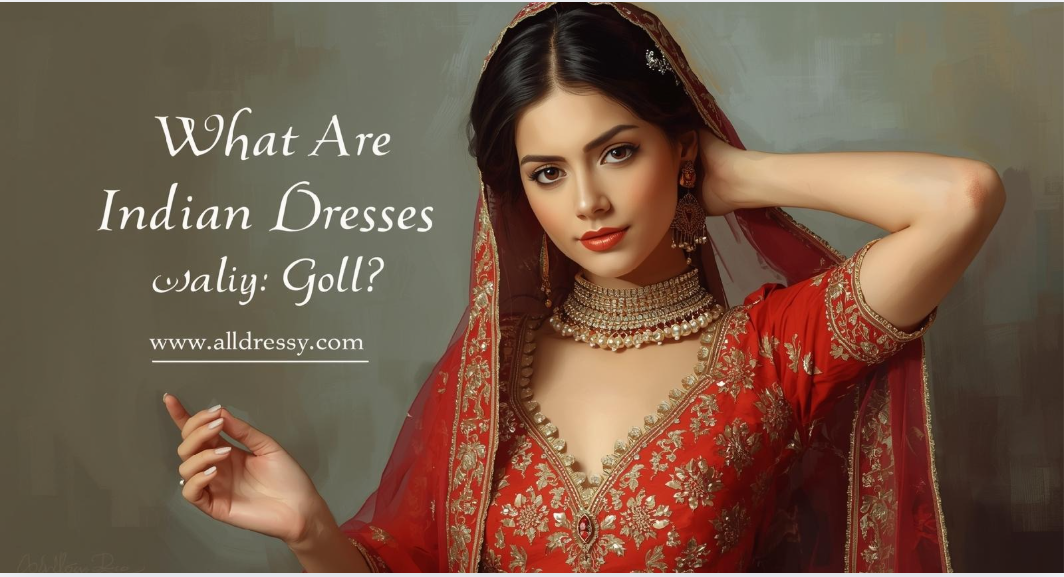
India is one of the most culturally diverse countries in the world, and this diversity is reflected vividly in its clothing. When people ask what are Indian dresses called, the answer is not simple or singular. Indian dresses vary by region, religion, climate, history, and occasion. From elegant draped garments to tailored outfits rich in embroidery, Indian clothing represents centuries of tradition blended with evolving fashion trends.
Understanding what Indian dresses are called requires exploring women’s wear, men’s wear, regional styles, fabrics, and the cultural meanings behind each garment. This article provides an in-depth guide to Indian dresses, going far beyond surface-level explanations.
What Are Indian Dresses Called in General?
Indian dresses are collectively referred to as traditional Indian attire, but each outfit has its own distinct name. Unlike Western fashion, Indian clothing is not defined by one national costume. Instead, it is a collection of garments shaped by geography, ethnicity, and historical influence.
Indian dresses can be broadly categorized into:
- Draped garments
- Stitched garments
- Ethnic fusion and modern adaptations
Each category includes multiple well-known outfits that are worn daily or on special occasions.
Saree: The Most Iconic Indian Dress
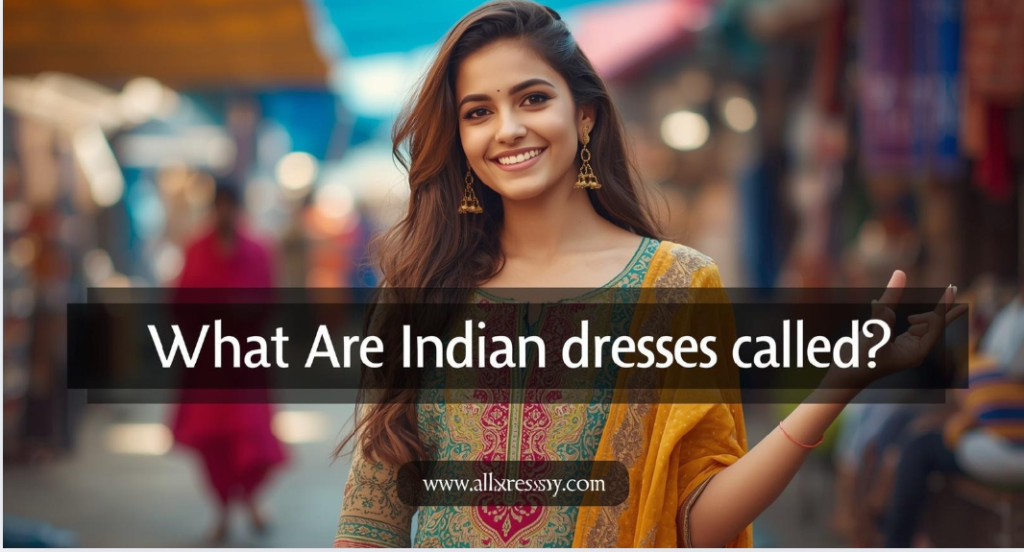
When asking what are Indian dresses called, the saree is often the first answer people hear. The saree (or sari) is one of the oldest known garments in the world and remains one of the most recognizable symbols of Indian culture.
A saree is a long, unstitched piece of fabric, typically between five to nine yards, draped around the body in various styles. It is worn with a blouse and a petticoat.
Different regions of India have their own saree styles:
- Banarasi saree from North India
- Kanjivaram saree from South India
- Paithani saree from Maharashtra
- Bandhani saree from Gujarat and Rajasthan
- Chikankari saree from Uttar Pradesh
Sarees are worn for weddings, festivals, religious ceremonies, and even daily wear, depending on fabric and design.
Salwar Kameez: A Popular Indian Outfit
Another common answer to what are Indian dresses called is salwar kameez. This outfit is especially popular in North India and among Indian communities worldwide.
The salwar kameez consists of three pieces:
- Kameez: a long tunic
- Salwar: loose-fitting trousers
- Dupatta: a long scarf
Originally associated with Punjabi culture, salwar kameez has evolved into many variations, including:
- Anarkali suits
- Patiala suits
- Straight-cut suits
- Palazzo suits
It is widely worn because of its comfort, modesty, and adaptability.
Lehenga Choli: Traditional Indian Wedding Dress
When people ask what are Indian dresses called for weddings, lehenga choli is one of the most common answers. This outfit is especially popular for brides and festive occasions.
A lehenga choli includes:
- Lehenga: a long, flared skirt
- Choli: a fitted blouse
- Dupatta: a decorative scarf
Lehengas are heavily embroidered with intricate designs, often using silk, velvet, or brocade fabrics. While traditionally associated with North India and Rajasthan, lehengas are now worn across the country for weddings and celebrations.
Anarkali Dress: Royal-Inspired Indian Attire
The Anarkali dress is a type of salwar kameez known for its long, flowing silhouette. Named after a legendary courtesan from the Mughal era, Anarkali dresses are associated with royalty and elegance.
They feature:
- A fitted bodice
- A flared skirt-like bottom
- Rich embroidery and embellishments
Anarkali dresses are commonly worn at weddings, formal events, and festivals.
Kurti and Kurta: Everyday Indian Clothing
Another key response to what are Indian dresses called involves kurti and kurta, which are versatile garments worn by both men and women.
- Kurti: shorter tunic worn mainly by women
- Kurta: longer tunic worn by both genders
Kurtis are often paired with leggings, jeans, palazzos, or skirts, making them popular for daily wear. Kurtas can be casual or formal depending on fabric and design.
Ghagra: Traditional North Indian Skirt
The ghagra, also known as ghaghra, is a traditional skirt worn mainly in Rajasthan, Gujarat, and parts of North India. It is similar to a lehenga but traditionally paired with a choli and dupatta in folk and ceremonial contexts.
Ghagras are often brightly colored and decorated with mirror work, embroidery, and prints. They are commonly worn during folk dances and cultural festivals.
South Indian Dresses and Their Names
When exploring what are Indian dresses called, it is important to look beyond North Indian attire.
South Indian Saree Styles
South India is known for silk sarees with rich borders and temple-inspired motifs. Kanjivaram, Mysore silk, and Kasavu sarees are especially well known.
Langa Voni
Also called half saree, Langa Voni is worn by young girls in South India. It consists of a skirt, blouse, and dupatta and symbolizes the transition into adulthood.
Mundum Neriyathum
In Kerala, traditional women’s attire includes mundum neriyathum, an earlier form of the saree that consists of two pieces of cloth.
East Indian Traditional Dresses
Eastern India has its own distinctive clothing styles.
Mekhela Chador
Worn in Assam, the mekhela chador is a two-piece traditional outfit made of woven fabric with intricate designs.
Bengali Saree
Bengali sarees are known for their wide borders, traditional motifs, and elegant draping styles, often worn during festivals like Durga Puja.
West Indian Dresses and Cultural Identity
Western India showcases vibrant and colorful clothing traditions.
Bandhani and Tie-Dye Attire
Gujarat and Rajasthan are famous for Bandhani, a tie-dye technique used in sarees, dupattas, and ghagras.
Kediyu and Chaniya Choli
In Gujarat, women often wear chaniya choli, a version of ghagra choli, especially during Navratri festivals.
Indian Dresses for Men: Traditional Attire Names
The question what are Indian dresses called also applies to men’s clothing.
Dhoti
The dhoti is a traditional garment worn by men, consisting of a long piece of cloth wrapped around the waist and legs. It is commonly worn in religious and ceremonial settings.
Kurta Pajama
A kurta pajama is a popular men’s outfit consisting of a long tunic and fitted trousers. It is worn casually and formally depending on fabric.
Sherwani
The sherwani is a formal coat-like garment worn by men during weddings and special occasions. It originated during the Mughal era and remains a symbol of elegance.
Lungi
In South and East India, the lungi is a casual wraparound garment worn mainly at home or in rural areas.
Fabrics Used in Indian Dresses
Understanding what are Indian dresses called also involves recognizing the fabrics that define them.
Common fabrics include:
- Cotton for everyday wear
- Silk for weddings and ceremonies
- Wool in colder regions
- Linen for summer wear
Indian textiles are known for handloom weaving, embroidery, block printing, and natural dyes.
Modern Indian Dresses and Fusion Wear
Indian fashion continues to evolve. Modern Indian dresses blend traditional silhouettes with contemporary styles.
Examples include:
- Indo-western gowns
- Jacket-style lehengas
- Saree gowns
- Kurti dresses with modern cuts
These outfits are popular among younger generations who want to honor tradition while embracing global fashion trends.
Religious and Cultural Influence on Indian Dresses
Indian dresses are closely tied to religious and cultural practices. Certain colors, fabrics, and styles are chosen based on festivals, rituals, and beliefs.
For example:
- White is worn during mourning in many communities
- Red is associated with weddings
- Yellow is linked to religious ceremonies
These traditions influence what people wear and how Indian dresses are named and categorized.
Regional Identity and Clothing Names
India’s regional diversity means the same garment can have different names depending on location. What is called a lehenga in one region may be known as a ghagra in another. This linguistic diversity adds complexity to the question what are Indian dresses called.
Understanding these regional terms provides deeper insight into India’s cultural richness.
Why Indian Dresses Are Gaining Global Recognition
Indian dresses are now worn and admired worldwide. Sarees, lehengas, and kurtis have appeared on international runways and red carpets. Designers continue to reinterpret traditional Indian attire for global audiences, preserving heritage while expanding appeal.
This global recognition makes it even more important to understand what Indian dresses are called and what they represent
Frequently Asked Questions About Indian Dresses
What are Indian dresses commonly called?
Indian dresses are commonly referred to as traditional Indian attire, but they include many specific garments such as saree, salwar kameez, lehenga choli, kurta, kurti, dhoti, and sherwani. The exact name depends on region, gender, and occasion.
Is there one national dress of India?
India does not have a single national dress. Because of its cultural and regional diversity, different states and communities have their own traditional clothing styles. The saree and salwar kameez are among the most widely recognized, but they are not officially designated as national attire.
What is the most popular traditional Indian dress for women?
The saree is considered the most iconic and widely worn traditional Indian dress for women. It is popular across many regions and is worn for everyday use, festivals, and formal occasions, depending on the fabric and design.
What Indian dress is worn for weddings?
For weddings, women commonly wear lehenga choli, heavily embroidered sarees, or Anarkali suits. Men often wear sherwani, kurta pajama, or dhoti with traditional accessories. The choice varies by region and cultural tradition.
What are Indian dresses for daily wear called?
For daily wear, women often wear kurtis, simple sarees, or salwar kameez, while men commonly wear kurta pajama or lungi in certain regions. These garments are chosen for comfort and practicality.
Are Indian dresses the same in every region?
No, Indian dresses vary significantly by region. North India, South India, East India, and West India each have distinct styles, fabrics, and garment names. Climate, culture, and history strongly influence regional clothing.
What is the difference between a lehenga and a ghagra?
Lehenga and ghagra are similar garments, both referring to long skirts worn with a blouse and dupatta. The term lehenga is more commonly used in modern fashion, while ghagra is traditionally used in regions like Rajasthan and Gujarat.
What Indian dresses are worn by men?
Traditional Indian dresses for men include dhoti, kurta pajama, sherwani, lungi, and bandhgala. These outfits range from casual daily wear to highly formal wedding attire.
What fabrics are traditionally used in Indian dresses?
Indian dresses are made from a variety of fabrics including cotton, silk, wool, linen, and handwoven textiles. Silk is commonly used for weddings and festivals, while cotton is preferred for everyday wear.
Why are Indian dresses becoming popular globally?
Indian dresses are gaining global popularity due to their rich craftsmanship, cultural depth, and adaptability to modern fashion. Designers continue to blend traditional Indian garments with contemporary styles, making them appealing worldwide.
Conclusion: Understanding What Indian Dresses Are Called
The question “what are Indian dresses called” opens the door to a vast and colorful world of tradition, culture, and regional identity. Indian clothing is not defined by a single garment but by an extensive range of outfits shaped by centuries of history, climate, religion, and social customs. From the timeless elegance of the saree to the regal charm of the lehenga and the everyday comfort of the kurta, each dress carries its own meaning and purpose.
Indian dresses represent more than fashion—they reflect heritage, craftsmanship, and personal expression. Their continued evolution shows how tradition and modernity can coexist, allowing Indian attire to remain relevant both within the country and on a global stage. Understanding what Indian dresses are called helps appreciate not only their names but also the rich cultural stories woven into every fabric and design.