
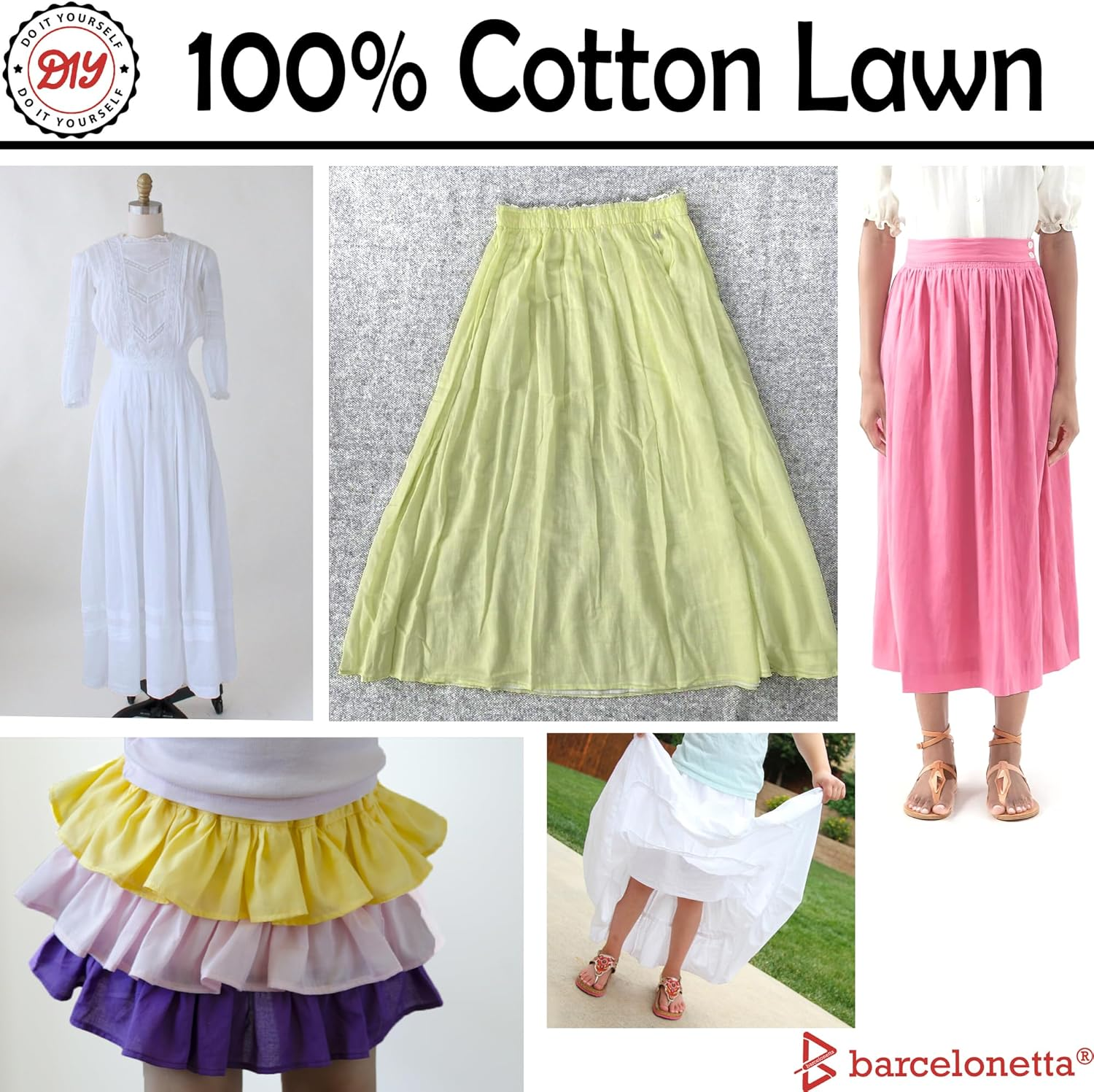
Selecting the best fabric for lining dresses is just as important as choosing the outer fabric. A good lining enhances comfort, improves fit, adds structure, and increases the lifespan of a dress. Whether you are designing a formal gown, a casual summer dress, or a professional outfit, the right lining fabric can make a noticeable difference in how the garment feels and performs.
Dress linings prevent transparency, reduce friction against the skin, help garments drape better, and protect outer fabrics from sweat and body oils. From breathable cotton linings to luxurious silk and durable synthetic blends, understanding the properties of lining fabrics ensures your dress looks polished and feels comfortable all day long.
This buying guide explores everything you need to know to choose the best fabric for lining dresses, helping you make an informed decision for different dress styles, climates, and uses.
Buying Guide: Best Fabric for Lining Dresses
Choosing the best lining fabric depends on comfort, breathability, durability, season, and the outer fabric of the dress. Below are the most important factors to consider before buying lining fabric.
1. Breathability and Comfort
One of the main purposes of a lining is to improve comfort. The best fabric for lining dresses should allow airflow and feel soft against the skin.
- Breathable linings reduce sweating and irritation
- Soft textures prevent itching and chafing
- Natural fibers are generally more skin-friendly
For summer or warm climates, lightweight and breathable linings are essential.
2. Compatibility with Outer Fabric
The lining must work well with the dress fabric to ensure proper drape and movement.
- Heavy dresses require sturdier lining fabrics
- Lightweight dresses need thin, flexible linings
- Slippery linings help structured dresses glide smoothly
Matching the lining weight to the outer fabric avoids bunching and distortion.
3. Durability and Longevity
A quality lining protects the outer fabric from wear and tear.
- Strong fibers extend garment life
- Durable linings hold seams and shape
- Resistant fabrics reduce frequent repairs
Investing in the right lining fabric saves time and money over the long term.
4. Season and Climate Considerations
Climate plays a big role in selecting the best fabric for lining dresses.
- Warm weather requires breathable, moisture-absorbing fabrics
- Cold seasons benefit from insulating linings
- All-season dresses need balanced fabrics
Choosing season-appropriate lining fabric improves comfort throughout the year.
5. Static Resistance and Draping Ability
Some lining fabrics generate static or cling to the body.
- Anti-static linings create smoother silhouettes
- Good drape improves garment flow
- Non-cling fabrics enhance elegance
These factors are especially important for evening gowns and formal dresses.
Best Fabric Options for Lining Dresses
Below are the most popular and effective choices when searching for the best fabric for lining dresses.
1. Cotton – Best for Breathability
Cotton is one of the most widely used lining fabrics due to its comfort and breathability.
Why Choose Cotton:
- Soft and skin-friendly
- Excellent airflow
- Absorbs moisture
- Ideal for casual and summer dresses
Best For: Day dresses, summer wear, casual styles
2. Silk – Best for Luxury and Elegance
Silk is considered the premium choice for high-end garments.
Why Choose Silk:
- Ultra-soft texture
- Natural temperature regulation
- Elegant drape
- Lightweight yet strong
Best For: Bridal gowns, evening dresses, couture designs
3. Polyester – Best for Durability
Polyester linings are commonly used due to their strength and affordability.
Why Choose Polyester:
- Wrinkle-resistant
- Durable and long-lasting
- Easy to care for
- Cost-effective
Best For: Everyday dresses, travel wear, structured garments
4. Rayon (Viscose) – Best for Soft Draping
Rayon combines comfort with a fluid, elegant feel.
Why Choose Rayon:
- Breathable and soft
- Smooth texture
- Good moisture absorption
- Drapes beautifully
Best For: Flowing dresses, formal wear, soft silhouettes
5. Acetate – Best for Smooth Finish
Acetate is often used as a lining for tailored dresses and suits.
Why Choose Acetate:
- Smooth and slippery surface
- Helps dresses glide easily
- Resists static better than polyester
- Enhances garment structure
Best For: Structured dresses, professional attire
6. Bemberg (Cupro) – Best Overall Lining Fabric
Bemberg (cupro) is widely regarded as the best fabric for lining dresses by designers.
Why Choose Bemberg:
- Breathable and eco-friendly
- Luxuriously smooth feel
- Excellent moisture absorption
- Anti-static properties
Best For: High-quality dresses, luxury garments, all-season wear
How to Choose the Best Fabric for Lining Dresses
When shopping for lining fabric, ask yourself:
- Will the dress be worn in hot or cold weather?
- Is the outer fabric heavy or lightweight?
- Do you want a luxury or budget-friendly option?
- Is breathability or durability more important?
Answering these questions will help you select the perfect lining fabric for your needs.
Final Thoughts
Choosing the best fabric for lining dresses enhances comfort, fit, and overall garment quality. From breathable cotton and elegant silk to durable polyester and premium Bemberg, the right lining transforms a dress from ordinary to exceptional. By understanding fabric properties, seasonal needs, and garment structure, you can confidently select a lining that supports both style and functionality.
Below are 6 popular lining fabric products commonly available on Amazon that are ideal when searching for the best fabric for lining dresses. Each product includes a long description, key features, pros, cons, and recommendation. No outbound links are provided.
1. Bemberg (Cupro) Lining Fabric by the Yar
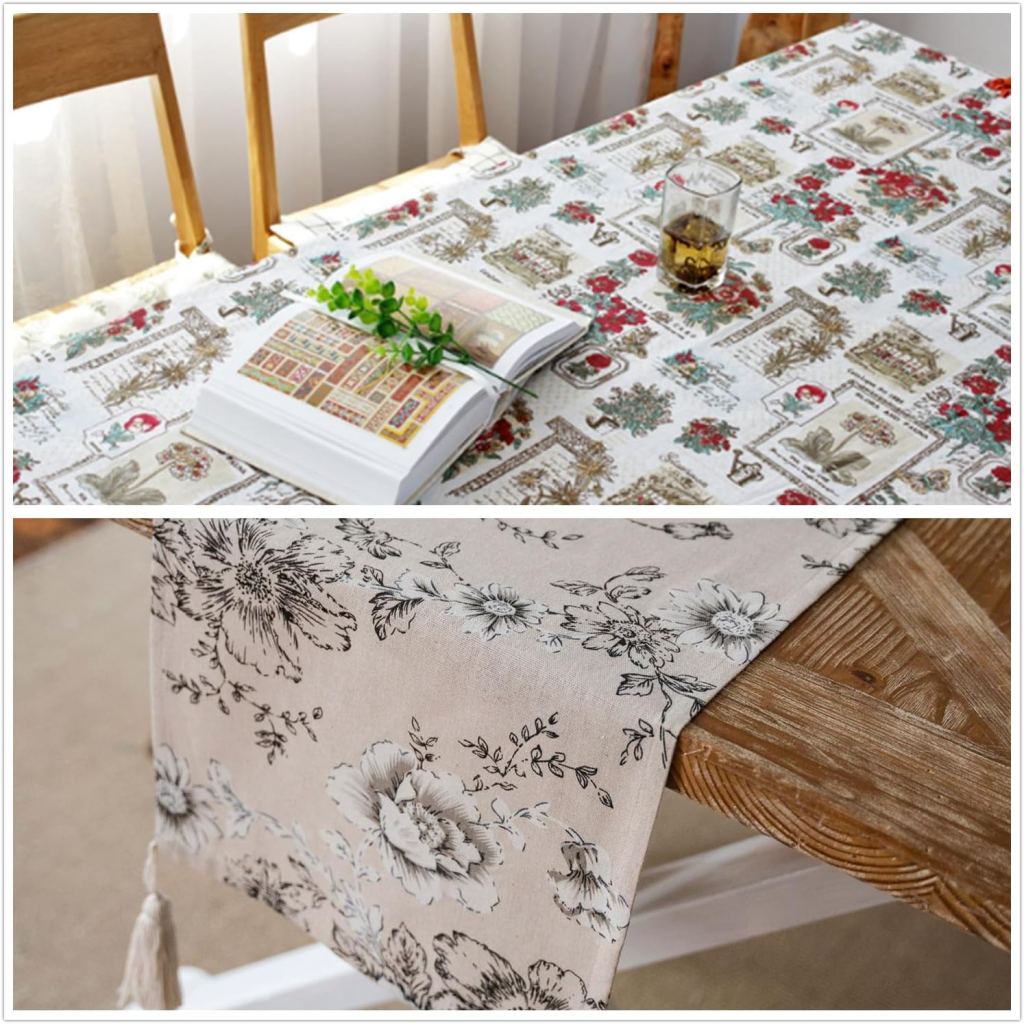
Product Description:
Bemberg (also known as cupro) lining fabric is widely considered the best fabric for lining dresses due to its luxurious feel and superior breathability. Made from regenerated cotton fibers, this lining mimics the softness of silk while offering better moisture absorption and anti-static properties. It drapes smoothly under dresses, prevents cling, and enhances overall garment movement. This fabric is especially favored by professional dressmakers for high-quality and formal garments.
Key Features:
- Regenerated cotton fiber (cupro)
- Ultra-smooth and breathable
- Anti-static and moisture-wicking
- Lightweight with elegant drape
- Sold by the yard
Pros:
- Extremely comfortable against the skin
- Ideal for warm and all-season wear
- Does not cling to the body
- Premium, luxury-quality lining
Cons:
- Higher price than polyester linings
- Requires gentle washing or dry cleaning
Recommendation:
Best choice for luxury, formal, and designer dresses where comfort and elegance matter most.
2. Polyester Lining Fabric by the Yard
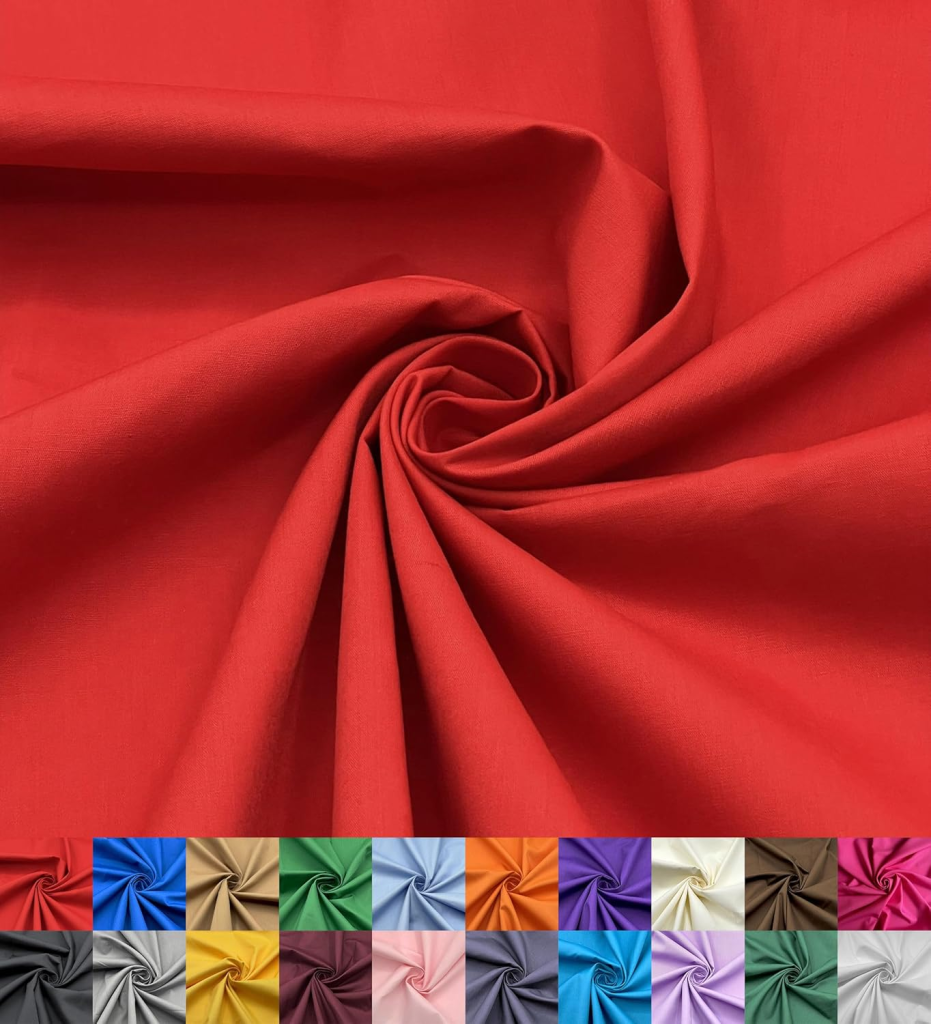
Product Description:
Polyester lining fabric is one of the most widely used and affordable options for dress lining. It offers excellent durability, wrinkle resistance, and easy maintenance. While it may not be as breathable as natural fibers, modern polyester linings are lightweight and smooth, making them suitable for everyday dresses, workwear, and structured garments.
Key Features:
- Synthetic polyester fiber
- Smooth surface for easy garment layering
- Wrinkle- and shrink-resistant
- Strong and long-lasting
- Budget-friendly option
Pros:
- Very affordable and accessible
- Easy to wash and maintain
- Durable for frequent wear
- Available in many colors
Cons:
- Less breathable than natural fabrics
- Can generate static in dry weather
Recommendation:
Ideal for everyday dresses, office wear, and budget-conscious projects.
3. Cotton Voile Fabric for Dress Lining
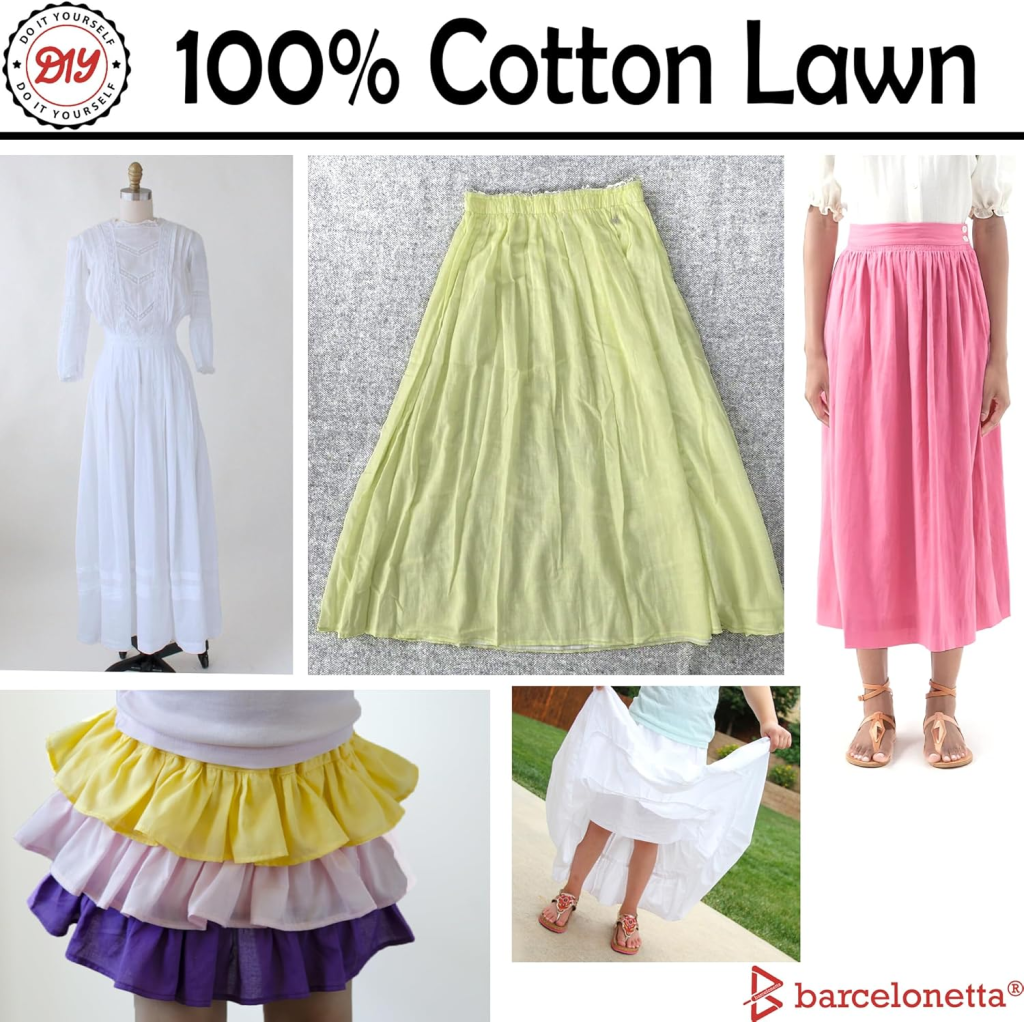
Product Description:
Cotton voile is a lightweight, breathable, and soft fabric perfect for lining casual and summer dresses. Its semi-sheer structure allows airflow while providing enough coverage to prevent transparency. Cotton voile is especially suitable for sensitive skin and hot climates, making it a popular choice for breathable dress linings.
Key Features:
- 100% natural cotton
- Lightweight and breathable
- Soft texture
- Easy to sew and dye
- Suitable for warm climates
Pros:
- Excellent breathability
- Skin-friendly and non-irritating
- Ideal for summer dresses
- Affordable natural option
Cons:
- Wrinkles easily
- Less slippery than synthetic linings
Recommendation:
Best for casual, summer, and daytime dresses where breathability is a priority.
4. Silk Habotai Fabric (China Silk)
Product Description:
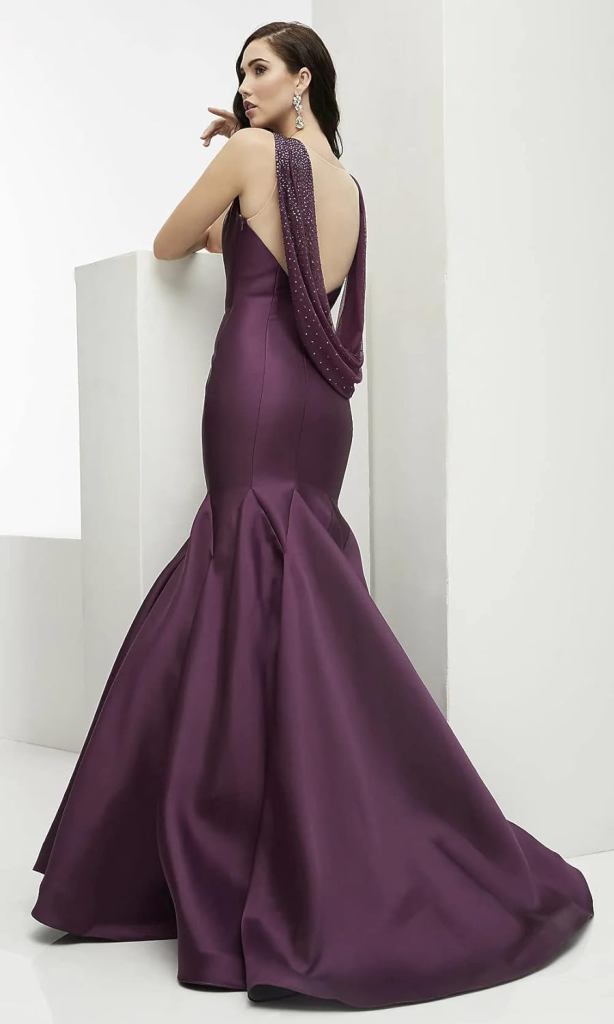
Silk habotai, often called China silk, is a premium lining fabric used in couture and bridal wear. It is exceptionally lightweight, smooth, and temperature-regulating. This fabric adds a luxurious feel to dresses and improves the drape of the outer fabric without adding bulk.
Key Features:
- 100% natural silk
- Ultra-lightweight and smooth
- Naturally breathable
- Elegant sheen
- High-end finish
Pros:
- Luxurious and comfortable
- Excellent for sensitive skin
- Enhances garment drape
- Suitable for all seasons
Cons:
- Expensive compared to other linings
- Requires dry cleaning or gentle hand wash
Recommendation:
Best for bridal gowns, evening dresses, and high-end garments requiring premium lining.
5. Acetate Lining Fabric by the Yard
Product Description:
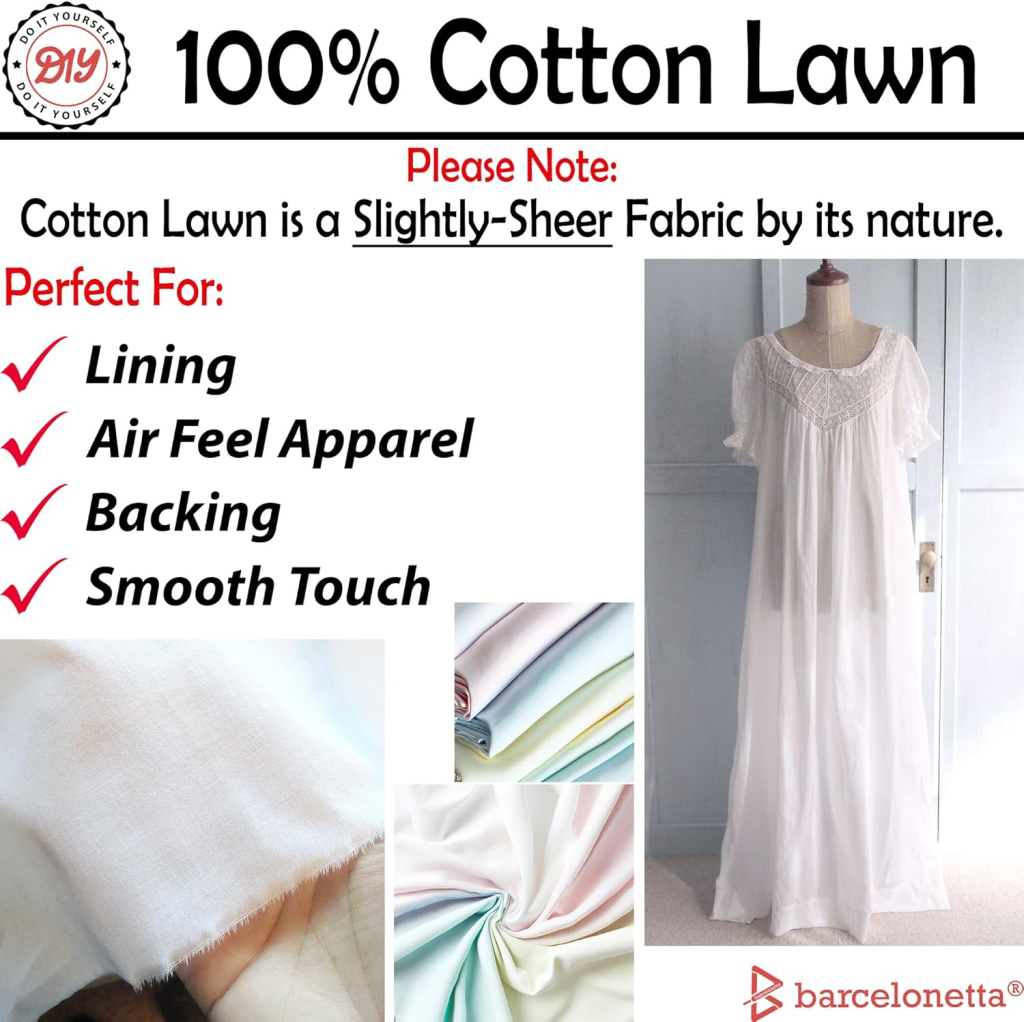
Acetate lining fabric is commonly used in tailored dresses and formalwear. It has a smooth, silk-like surface that allows garments to glide easily over the body. Acetate offers better breathability than polyester while maintaining a polished, professional appearance.
Key Features:
- Semi-synthetic acetate fiber
- Smooth and glossy texture
- Lightweight and breathable
- Good drape and structure
- Used in tailored garments
Pros:
- Elegant appearance
- Less static than polyester
- Smooth under structured dresses
- Affordable alternative to silk
Cons:
- Weaker when wet
- Not as durable as polyester
Recommendation:
Great for structured dresses, office wear, and formal garments needing smooth movement.
6. Rayon (Viscose) Challis Fabric for Lining
Product Description:
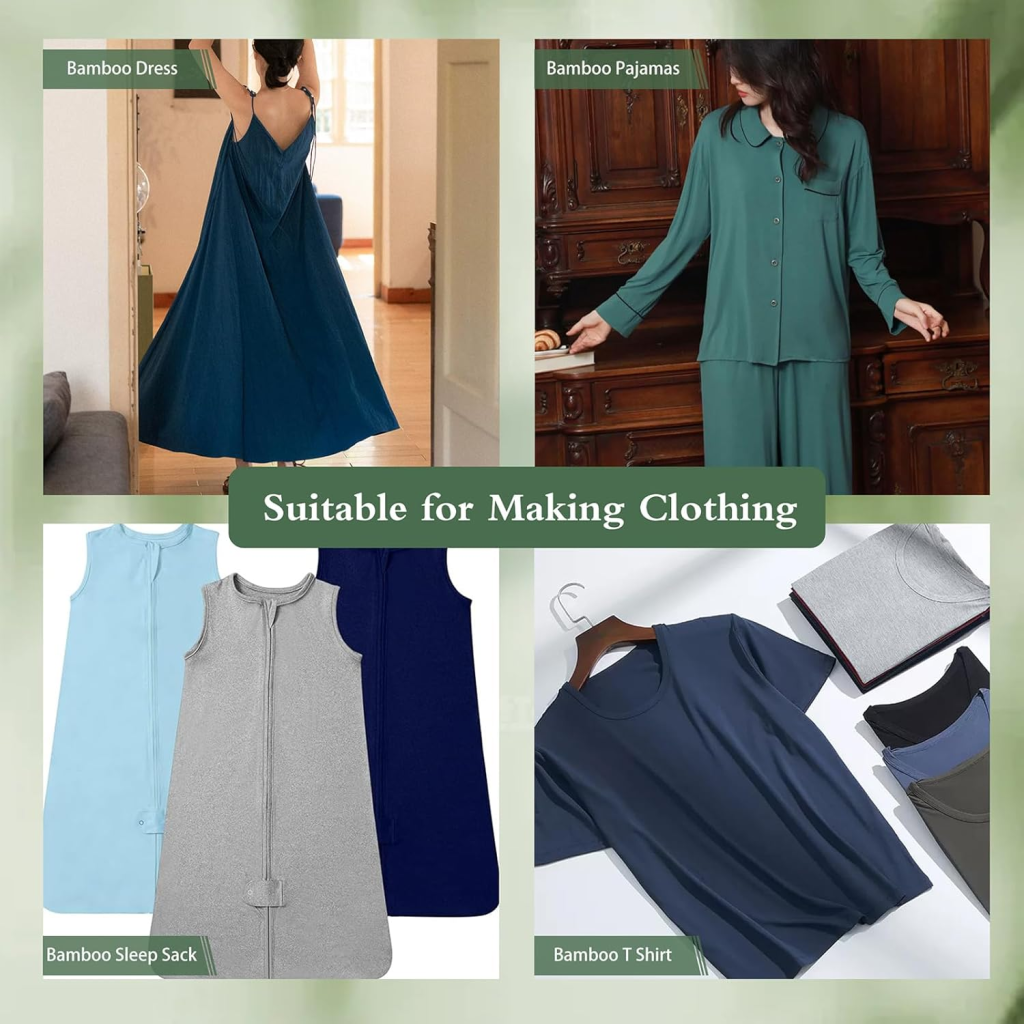
Rayon challis is a soft, breathable fabric with excellent drape, making it a strong contender for the best fabric for lining dresses. Derived from natural cellulose, rayon feels cool on the skin and absorbs moisture well. It is often used to line flowing dresses and garments requiring a natural, fluid look.
Key Features:
- Cellulose-based rayon fiber
- Soft and breathable
- Excellent moisture absorption
- Fluid drape
- Comfortable for extended wear
Pros:
- Very comfortable and breathable
- Drapes beautifully
- Suitable for warm climates
- Natural feel at moderate cost
Cons:
- Wrinkles easily
- Can shrink if not pre-washed
Recommendation:
Best for flowy dresses, casual wear, and garments that prioritize comfort and movement.
Overall Recommendation Summary
- Best Overall Lining Fabric: Bemberg (Cupro)
- Best Budget Option: Polyester Lining Fabric
- Best for Summer Dresses: Cotton Voile & Rayon Challis
- Best Luxury Option: Silk Habotai
- Best for Structured Dresses: Acetate Lining Fabric
Below is a complete “How to Wash It & Cautions” guide for the best fabric for lining dresses, written clearly and practically for all six lining fabric types.
How to Wash Lining Fabrics and Cautions When Doing It
Proper washing and care are essential to maintain the comfort, durability, and appearance of dress lining fabrics. Since lining fabrics are often delicate and hidden inside garments, incorrect washing can shrink, weaken, or damage both the lining and the outer fabric. Follow these guidelines carefully for best results.
1. Bemberg (Cupro) Lining Fabric
How to Wash:
- Hand wash in cold water only
- Use a mild, fabric-safe detergent
- Gently agitate without twisting or wringing
- Rinse thoroughly with cold water
Drying:
- Lay flat on a clean towel or hang to air-dry
- Light steaming on low heat if needed
Cautions:
- Avoid machine washing or tumble drying
- Do not use bleach or fabric softeners
- Excess heat weakens cupro fibers
- Always test detergent on a small area first
2. Polyester Lining Fabric
How to Wash:
- Machine wash on gentle cycle
- Cold or lukewarm water
- Mild detergent only
- Wash separately or inside a laundry bag
Drying:
- Air dry or tumble dry on low heat
- Remove promptly to reduce wrinkles
Cautions:
- High heat can cause melting or stiffness
- Avoid harsh detergents
- Static buildup can occur in dry environments
- Do not iron on high heat
3. Cotton Voile Lining Fabric
How to Wash:
- Machine wash on gentle cycle
- Cold water recommended
- Use mild detergent
- Pre-wash before sewing to prevent shrinking
Drying:
- Air dry preferred
- Low-heat tumble drying if necessary
Cautions:
- Shrinks if washed in hot water
- Wrinkles easily—avoid over-drying
- Bleach weakens cotton fibers
- Iron on medium heat only
4. Silk Habotai (China Silk)
How to Wash:
- Hand wash in cold water OR dry clean
- Use silk-safe detergent
- Gently swirl—never rub or scrub
Drying:
- Lay flat or hang to air dry
- Steam lightly on low heat
Cautions:
- Never wring or twist silk
- Avoid soaking for long periods
- Keep away from direct sunlight while drying
- Do not use bleach or stain removers
5. Acetate Lining Fabric
How to Wash:
- Hand wash in cold water
- Use very mild detergent
- Minimal agitation
Drying:
- Lay flat or hang to dry
- Steam on low if needed
Cautions:
- Weakens when wet—handle gently
- Heat damages acetate fibers
- Do not machine wash or tumble dry
- Avoid ironing directly—use pressing cloth
6. Rayon (Viscose) Challis Lining Fabric
How to Wash:
- Hand wash or machine wash on gentle cycle
- Cold water only
- Mild detergent
Drying:
- Lay flat to dry
- Light steam or iron on low heat
Cautions:
- Shrinks easily if washed in warm water
- Weak when wet—avoid wringing
- Do not tumble dry
- Fabric softeners reduce absorbency
General Washing Tips for Dress Linings
- Always read the garment care label before washing
- When in doubt, choose hand washing or dry cleaning
- Wash inside out to protect seams and stitching
- Avoid mixing heavy garments with delicate linings
- Store dresses clean and completely dry to prevent mildew
Below are the FAQs and Conclusion for your buying article on the best fabric for lining dresses, written in a clear, SEO-friendly style.
Frequently Asked Questions (FAQs)
1. What is the best fabric for lining dresses overall?
Bemberg (cupro) is widely considered the best fabric for lining dresses due to its breathability, smooth texture, anti-static properties, and moisture absorption. It offers a luxury feel similar to silk while being more practical for everyday wear.
2. Is cotton a good fabric for lining dresses?
Yes, cotton is an excellent lining fabric for casual and summer dresses. It is breathable, soft, and skin-friendly, though it wrinkles easily and does not provide the slippery finish needed for structured garments.
3. Which lining fabric is best for summer dresses?
For hot weather, breathable fabrics like cotton voile, rayon (viscose), silk habotai, and Bemberg are the best choices. They allow airflow and reduce sweating.
4. Is polyester lining bad for dresses?
Polyester is not bad, but it is less breathable than natural fibers. It works well for structured dresses, office wear, and garments requiring durability and easy maintenance.
5. What lining fabric works best with heavy outer fabrics?
For heavier fabrics like wool, velvet, or thick satin, stronger linings such as Bemberg, acetate, or polyester provide structure and durability without compromising comfort.
6. Does lining fabric affect the drape of a dress?
Yes, lining fabric significantly affects drape. Smooth and lightweight linings like silk, Bemberg, and rayon allow the outer fabric to flow gracefully, improving overall appearance.
7. Can lining fabric prevent static cling?
Certain fabrics such as Bemberg and acetate are known for their anti-static properties, making them ideal for dresses that cling or stick to the body.
8. Should lining fabric be pre-washed before sewing?
Yes, pre-washing is recommended for most lining fabrics (except dry-clean-only silk) to prevent shrinking after the garment is completed.
9. How do I choose lining fabric for formal dresses?
For formal and evening dresses, opt for smooth, elegant linings like silk habotai, Bemberg, or acetate to enhance comfort, structure, and luxury appeal.
10. Is lining necessary for all dresses?
Not all dresses require lining, but lined dresses typically offer better comfort, durability, opacity, and a more polished finish.
Conclusion
Choosing the best fabric for lining dresses is a crucial step in creating garments that feel comfortable, look elegant, and last longer. The right lining improves drape, enhances structure, reduces transparency, and protects the outer fabric from daily wear.
From breathable cotton and soft rayon to luxurious silk and premium Bemberg, each lining fabric serves a unique purpose depending on dress style, season, and personal comfort needs. Polyester and acetate provide durability and structure, while natural fibers offer superior breathability and softness.
By understanding fabric properties, washing requirements, and compatibility with outer materials, you can confidently select the ideal lining fabric for any dress. A well-chosen lining transforms an ordinary dress into a refined, professional-quality garment—making it a worthwhile investment for both everyday wear and special occasions.